
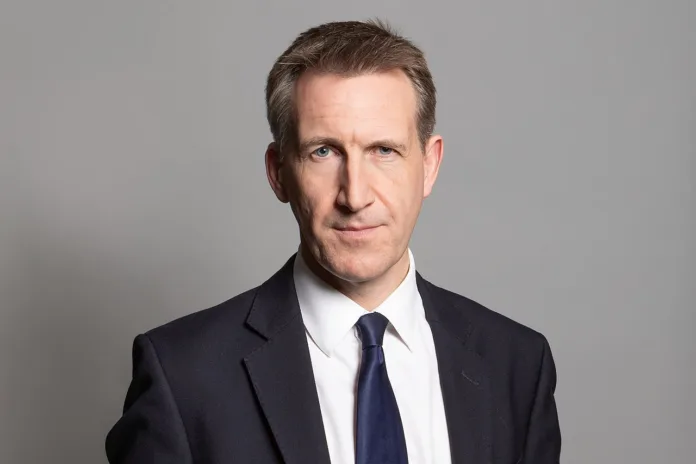


Dan Jarvis secures extra defence funding as the UK accelerates investment in drones and military capability
The UK government has agreed an additional £1.5 billion for its long-awaited defence investment plan, with most of the extra funding earmarked for drones as ministers seek to strengthen Britain’s military capabilities and reinforce deterrence against emerging security threats.
The agreement marks an early victory for Defence Secretary Dan Jarvis, who successfully negotiated additional Treasury funding after taking over the role. The extra allocation reduces a funding shortfall that had dominated discussions over the government’s defence strategy and contributed to the resignation of his predecessor, John Healey.
According to government sources, the Ministry of Defence’s funding gap has now been reduced significantly after Chancellor Rachel Reeves agreed to increase the department’s financial settlement beyond the £13.5 billion previously offered.
Embed from Getty Images
A major beneficiary of the new funding will be Britain’s expanding drone programme. Planned spending on drones will rise from £4 billion to £5 billion over the next four years, reflecting the growing importance of unmanned technology in modern warfare and national defence.
The investment forms part of a wider defence strategy that covers dozens of military projects, including new naval vessels, submarine programmes and advanced military technologies. The full plan is expected to outline long-term investment designed to strengthen Britain’s armed forces while supporting domestic defence manufacturing.
Government insiders said Jarvis adopted a different negotiating approach from his predecessor by dealing directly with Chancellor Rachel Reeves during budget discussions. Sources close to both departments suggested the direct engagement helped secure additional funding after weeks of difficult negotiations across Whitehall.
The debate over defence spending has been one of the most contentious issues within government in recent months. Officials sought savings from other government departments, with some capital budgets reportedly reduced to help finance the increased defence allocation.
The additional funding will also support new capabilities for the Royal Marines. Military sources said commandos will receive extra uncrewed speedboats produced by Kraken Technology. The vessels are expected to strengthen maritime operations and improve the detection of hostile drones during potential peacekeeping missions in the Strait of Hormuz should conditions allow.
Prime Minister Keir Starmer is expected to formally unveil the defence investment plan at a defence industry facility, presenting the programme as both a national security initiative and an economic growth strategy. Ministers argue that increased defence investment will support highly skilled jobs across the United Kingdom while providing greater certainty for British manufacturers.
The emphasis on strengthening domestic industry also aligns with proposals outlined by Andy Burnham, who is expected to become the next prime minister. Burnham has indicated he wants future public procurement to place greater emphasis on supporting British-based suppliers, including companies involved in defence manufacturing.
Although Burnham’s allies have signalled a desire to settle the current funding dispute before he enters Downing Street, they have also suggested the incoming government could revisit aspects of the plan if further investment becomes necessary.
Questions over Britain’s long-term defence spending remain a subject of political debate. Former senior military leaders have warned that current funding levels may not be sufficient to meet future security challenges, particularly given the changing international landscape.
Under existing government plans, UK defence spending is expected to reach 3.5% of gross domestic product by 2035. The target represents a substantial increase from projected spending levels later this decade, although discussions continue over the pace at which that increase should be delivered.
Speaking ahead of the upcoming NATO summit, NATO Secretary General Mark Rutte expressed confidence that the United Kingdom would ultimately meet its defence commitments. While acknowledging that the spending target would not be achieved immediately, he said Britain’s long-standing commitment to the alliance remained strong.
Rutte also highlighted the wider economic benefits of defence investment, arguing that increased military spending not only strengthens national security but also supports employment, industrial growth and technological innovation.
Among the major projects included in the investment programme is the planned construction of six new hybrid air defence frigates for the Royal Navy. The advanced vessels will operate alongside air, sea and underwater drones and are intended to replace the current Type 45 destroyers during the mid-2030s, becoming the backbone of Britain’s future maritime air defence capability.
The latest funding agreement represents a significant step towards finalising the government’s long-delayed defence strategy, with ministers seeking to balance national security priorities alongside economic growth and industrial development.