
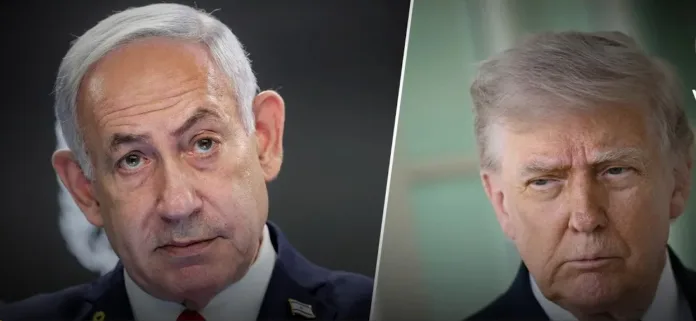

Trump extends Israel-Lebanon truce as tensions rise and Iran deal remains uncertain
Donald Trump has announced a three-week extension to the ceasefire between Israel and Lebanon, offering a temporary pause in hostilities while wider tensions across the region continue to simmer.
The decision follows talks at the White House, where efforts are ongoing to secure a more durable agreement. Despite the extension, the prospect of a long-term peace deal remains uncertain, with officials acknowledging that any lasting resolution would require significant international backing.
Speaking to reporters, Trump indicated that he is in no hurry to reach a broader agreement with Iran. He stressed that negotiations would take time, stating he did not want to “rush” the process. His comments underline the complexity of the situation, as diplomatic efforts continue alongside ongoing military and strategic developments.
Trump also suggested that his current approach has been effective, remarking that “whatever I’m doing, it seems to be working very well” when questioned about his stance towards Iran. His administration has maintained pressure on Tehran, even as calls for dialogue persist.
Meanwhile, the United States has taken further action in the region. According to the military, US forces boarded a vessel carrying Iranian oil in the Indian Ocean. Trump claimed that the US now has “total control” over the Strait of Hormuz, a critical route for global energy supplies.
The ceasefire extension comes at a time of heightened uncertainty. Although fighting between Israel and Lebanon has paused, tensions involving Iran remain a central concern. Leaders on all sides have continued to issue strong statements, reflecting the fragile nature of the current truce.
In Iran, senior figures have responded to Trump’s claims by emphasising unity within the country’s leadership. Their comments follow suggestions of internal divisions, which Tehran has firmly rejected.
Israel’s defence minister has also signalled readiness for further escalation, stating that military action against Iran could resume if supported by the United States. The remarks highlight the ongoing risk of a broader conflict, even as diplomatic channels remain open.
Alongside these developments, efforts are being made to revive peace talks. Religious leaders have urged restraint, calling on all parties to prioritise dialogue and avoid further escalation. The humanitarian impact of the conflict has also been brought into focus, with warnings about the suffering of civilians caught in the crossfire.
The ceasefire extension provides a brief window for negotiations to continue, but it does not resolve the deeper issues driving the conflict. Oil markets have already reacted to the uncertainty, with prices rising despite the temporary halt in fighting. Disruptions to shipping routes, particularly through the Strait of Hormuz, continue to affect global energy flows.
In the coming weeks, further diplomatic engagement is expected. Leaders from both Israel and Lebanon are due to visit the White House as part of ongoing efforts to broker a more lasting agreement.
For now, the situation remains finely balanced. The extended ceasefire offers a momentary pause, but underlying tensions and unresolved disputes continue to cast a shadow over the region’s stability.