
.jpg)

The UK struck a major Gulf trade agreement, but critics condemned its lack of safeguards
The UK has secured a £3.7bn trade agreement with six Gulf states, ending four years of negotiations, but the deal has triggered immediate backlash over the absence of a dedicated human rights chapter.
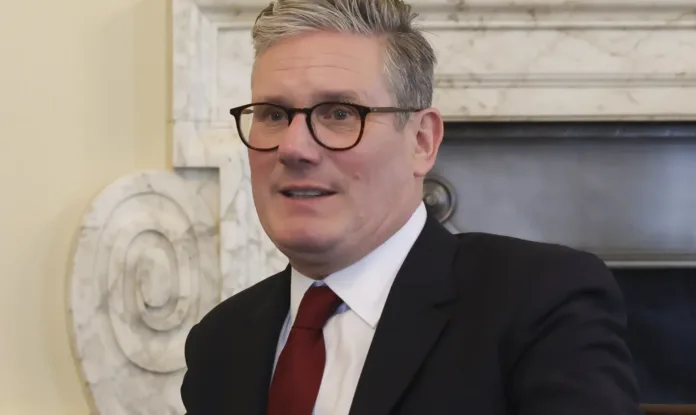
Prime Minister Keir Starmer described the agreement as a major victory for British business and working people, saying it would create opportunities, boost exports and deliver long-term economic benefits.
The pact links Britain with the six-member Gulf Cooperation Council (GCC), which includes Saudi Arabia, Kuwait, Oman, Qatar, the United Arab Emirates and Bahrain. Government figures said the deal’s value is roughly double earlier projections.
The agreement removes tariffs from 93% of British goods exported to the Gulf bloc.
Sectors expected to benefit include food, defence, aerospace, medical equipment, luxury vehicles, hospitality and advanced manufacturing. British exporters previously faced tariffs across numerous product categories, including duties on goods such as cheese, chocolate, biscuits and cars.
The deal also carries significant implications for Britain’s vast services economy.
According to the government, UK firms in finance, energy, education, technology, construction and professional services will receive guaranteed business access across the Gulf region. Gulf states have additionally agreed to allow British companies to store data outside the region for the first time.
Embed from Getty Images
For Starmer, the agreement delivers more than economic symbolism.
The deal arrives during a politically sensitive period, offering the prime minister a chance to demonstrate that his government can still secure major international agreements despite recent political turbulence and questions surrounding his leadership following local election pressures.
Yet celebrations quickly collided with criticism.
Human rights organisations, trade campaigners and political voices condemned the agreement for failing to include formal commitments on rights protections.
Tom Wills, director of the Trade Justice Movement, warned that the omission was particularly troubling given concerns frequently raised about conditions across Gulf states, including allegations involving forced labour, discrimination, torture and restrictions on dissent.
Reports indicate ministers did not pursue a human rights chapter during negotiations, believing such matters could be addressed more effectively through political and diplomatic channels rather than trade text.
Trade unions also expressed dissatisfaction.
Paul Nowak, general secretary of the Trades Union Congress, criticised the decision to conclude the deal despite what he described as serious concerns surrounding human and workers’ rights in parts of the region. The Bahrain Institute for Rights and Democracy argued the agreement risked legitimising repression, while Liberal Democrat peer Paul Scriven accused the government of abandoning moral leadership.
Not every response was negative.
Agricultural groups strongly welcomed the outcome after fears that negotiations might force Britain to lower food standards.
The National Farmers’ Union of England and Wales praised the agreement, describing it as the strongest agricultural arrangement achieved since Britain’s departure from the European Union. The organisation highlighted its success in resisting pressure to weaken poultry standards during talks.
The British Chambers of Commerce also backed the pact.
Trade policy representatives argued it could unlock significant commercial expansion for tens of thousands of UK businesses seeking access to growing Gulf markets.
Business Secretary Peter Kyle framed the agreement as a landmark achievement, saying Britain had become the first G7 nation to secure what he called a modern trade deal with the GCC bloc.
The agreement also reflects the deepening economic ties between Britain and Gulf investors.
Gulf-linked investment already stretches across major UK assets, from Heathrow Airport to Newcastle United Football Club. Critics, however, warned that investor-protection provisions included in the agreement could create legal challenges for future British governments if policy directions shift.
For supporters, the deal signals fresh export opportunities and stronger commercial access.
For opponents, it raises a sharper question: what compromises governments accept when trade ambitions collide with human rights concerns.