

Experts warn steroid use linked to social media may be driving a rise in liver cancer cases
Health experts are raising alarm over a worrying rise in liver cancer cases among otherwise healthy young men, warning that social media-driven steroid use could be fuelling a dangerous and often undetected trend.
Doctors across the UK have reported a growing number of patients presenting with serious liver conditions linked to anabolic steroid use. Many of these individuals are not traditional high-risk cases. Instead, they are young, active men who appear outwardly healthy but are unknowingly developing a disease often described as a “silent killer”.
Specialists believe the surge is closely tied to online culture. Platforms promoting hyper-muscular physiques and unrealistic body standards have contributed to a rise in body dysmorphia, pushing some men towards steroid use in pursuit of an idealised image.
Embed from Getty Images
Dr Giedre Putelyte, a specialist doctor at a rehabilitation clinic in Edinburgh, said she has seen a “marked increase” in men struggling with body image issues and using steroids as a result. She explained that social media exposure and so-called “manosphere” content are reinforcing unattainable expectations, blurring the line between fitness and harmful behaviour.
What makes the situation particularly concerning is how quietly the disease can develop. Many men feel completely well in the early stages, meaning liver damage often goes unnoticed until it becomes severe. By the time symptoms appear, the condition may already be advanced, reducing the chances of effective treatment.
Medical professionals are urging earlier screening to detect abnormalities before they escalate. Routine checks could allow doctors to identify liver damage sooner, offering opportunities to intervene, stop steroid use and prevent progression to cancer.
Professor Stephen Wigmore, a leading surgeon, has also reported treating an increasing number of young men with liver cancer linked to steroid use. He described cases where patients became so focused on maintaining their physique that they continued taking the drugs even after being diagnosed with cancer.
In one particularly severe case, surgeons removed two tumours the size of grapefruits from a man in his early thirties. While the operation was successful, doctors warned that long-term recovery depends on whether the patient avoids further steroid use.
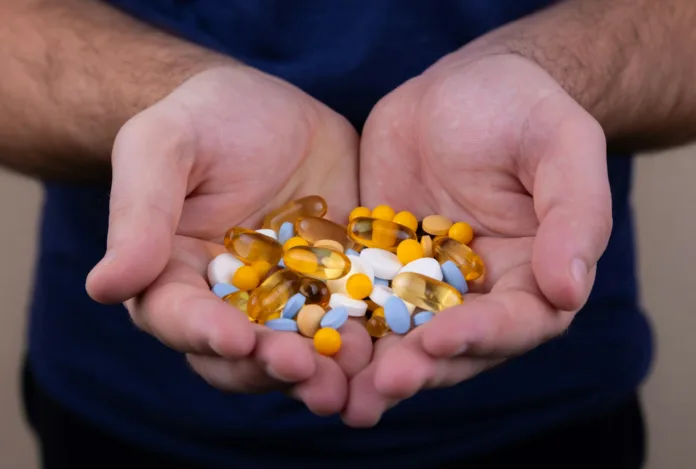
Anabolic steroids, which mimic testosterone, are sometimes prescribed for medical conditions. However, their non-prescribed use has expanded far beyond elite sports and bodybuilding communities. They are now widely available through illegal online markets and are increasingly used by young men influenced by fitness trends and social media content.
The scale of exposure is significant. Between 2020 and 2024, videos promoting steroid-like substances amassed hundreds of millions of views, with a large proportion of viewers aged between 18 and 24.
Research has long established the risks associated with steroid use, including infertility and organ damage. However, the link to liver cancer, first identified decades ago, is becoming more prominent as cases rise. Recent reports have documented bodybuilders developing large tumours after prolonged steroid use, underscoring the severity of the threat.
The issue is further complicated by the dangers of the underground steroid market. Some products have been found to contain harmful substances such as heavy metals, increasing the risk of serious health complications.
In the UK, liver cancer is now responsible for more than 6,000 deaths each year, with similar numbers of new diagnoses annually. The disease accounts for a growing proportion of cancer-related deaths, highlighting the urgency of the situation.
Experts are now calling for greater awareness and public health campaigns to address the risks. Without action, they warn, more young men could unknowingly put themselves at risk of a life-threatening condition that often shows no early warning signs.