
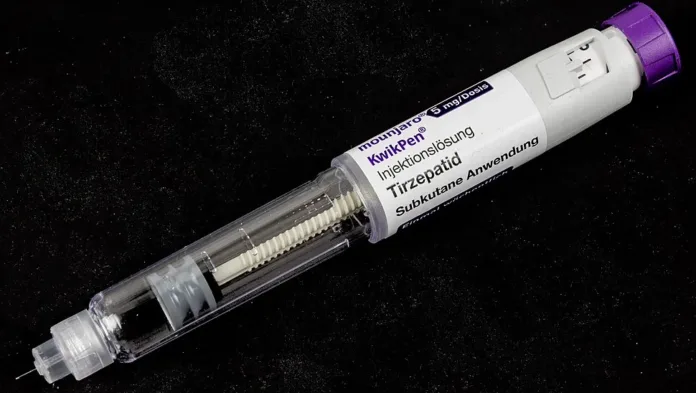

Mounjaro becomes the NHS’s most expensive medicine after prescriptions nearly triple
Weight-loss and diabetes treatment Mounjaro has become the most expensive medicine funded by the NHS, with new figures revealing a dramatic rise in both prescribing and spending over the past year.
Data published by the NHS Business Services Authority shows that the NHS spent £574 million on tirzepatide, sold under the brand name Mounjaro, during the 2025/26 financial year. The drug topped the list of medicines generating the highest costs for the health service.
The increase has been driven by a sharp rise in prescriptions.
Embed from Getty Images
During 2024/25, around 1.1 million tirzepatide prescription items were dispensed. That figure climbed to 3.1 million items in 2025/26, representing almost a threefold increase in a single year.
At the same time, the average cost per prescription item also increased significantly. NHS data shows the average cost rose from £108 per item to £187.
The growing popularity of weight-loss medications was further reflected in the annual prescribing figures, with semaglutide also appearing among the medicines generating the largest costs for the NHS. Four of the ten most expensive medicines were linked to weight management or diabetes treatment.
Demand for these medicines has increased rapidly following growing awareness of their effectiveness in helping people lose weight and manage obesity-related health conditions.
The NHS is currently implementing a phased introduction of tirzepatide after the drug received approval from the UK’s National Institute for Health and Care Excellence (NICE).
Health leaders have sought to manage access carefully amid concerns that unrestricted demand could place significant pressure on general practice services.
Under the current rollout plan, access will initially focus on three priority groups identified according to clinical need and expected health benefits. During the first three years of the programme, around 220,000 patients are expected to receive treatment through the NHS.
At the same time, private demand for weight-loss medication continues to grow. Estimates suggest approximately 1.6 million people may already be obtaining weight-loss treatments through private providers.
While tirzepatide dominated the spending rankings, the annual data highlighted broader trends across NHS prescribing.
Respiratory medicines featured prominently among the most expensive drugs. Three asthma and chronic obstructive pulmonary disease treatments appeared in the top ten by cost, including combined beclomethasone and formoterol inhalers, which ranked second.
Meanwhile, cholesterol-lowering medication atorvastatin strengthened its position as the most frequently dispensed medicine in England.
Prescriptions for atorvastatin increased by 7% during the year, reaching 78 million items. NHS figures show the statin has now remained the most commonly dispensed drug for almost ten years.
The wider prescribing picture also revealed continued growth in overall NHS medicine spending.
Total expenditure on medicines in England increased by 4% during 2025/26, reaching £11.6 billion.
Prescription volumes also continued their upward trend. The NHS dispensed 1.3 billion prescription items during the year, compared with 1.26 billion in 2024/25. This marks the fifth consecutive year that prescription numbers have risen.
Longer-term figures reveal an even bigger shift.
Since 2016/17, the overall cost of prescription medicines has increased by 27%, equivalent to an additional £2.4 billion annually.
Cardiovascular medicines remained the most commonly prescribed category, accounting for 10% of all items dispensed in community settings. Amlodipine, a calcium channel blocker used to treat high blood pressure, ranked second among the most frequently prescribed medicines, with 41.2 million items dispensed.
However, endocrine system medicines generated the highest overall spending. These treatments accounted for £2.4 billion in costs, representing 21% of the NHS prescribing bill.
The figures also revealed major regional differences in medicine spending.
NHS Cambridgeshire and Peterborough recorded the highest prescribing cost per person at £420, more than twice the national average. In contrast, NHS South West London reported spending of £137 per person.
Despite these regional variations, England recorded the lowest prescription cost per person when compared with Northern Ireland, Scotland and Wales.
The latest data underlines the growing financial impact of modern weight-loss treatments while highlighting the continuing rise in prescription demand across the NHS.