
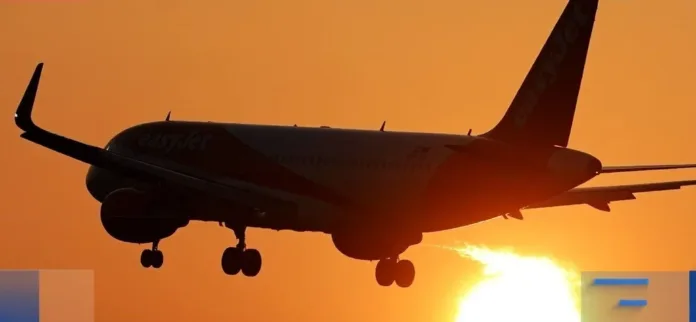

New UK plans allow airlines to cancel flights early to manage potential fuel shortages and avoid chaos
Airlines in the UK could soon begin cancelling flights weeks in advance under new government contingency plans designed to manage potential fuel shortages and prevent last-minute travel chaos.
The proposals, introduced as a precautionary measure, aim to give carriers greater flexibility to adjust schedules ahead of time if jet fuel supplies become constrained. While airlines have stressed that there are currently no immediate shortages, growing concerns linked to global disruptions particularly the ongoing Iran conflict have prompted officials to prepare for possible supply issues in the coming months.
Under the new framework, airlines will be permitted to cancel selected flights without risking their valuable take-off and landing slots at congested airports such as Heathrow and Gatwick. These slots, often worth tens of millions of pounds, are typically protected only if airlines operate at least 80% of their scheduled services. The revised approach temporarily relaxes this rule, allowing carriers to reduce flights without facing long-term penalties.
The government believes this shift will significantly reduce the risk of sudden cancellations that leave passengers stranded. Instead, airlines will be able to plan ahead, consolidating services and notifying travellers earlier.
One key strategy involves merging multiple daily flights on the same route. For instance, where airlines operate several services to a single destination, they may cancel a few departures and move passengers onto alternative flights scheduled later in the day. This approach is intended to conserve fuel while maintaining connectivity for travellers.
Travel journalist Simon Calder explained that the system could prioritise leisure travel over less time-sensitive business trips. Using the example of a busy European route, he noted that airlines might trim frequencies during quieter periods, particularly in summer when business demand drops, and reallocate capacity to destinations with fewer flights.
Transport Secretary Heidi Alexander sought to reassure the public, stating that most travellers should still expect a similar experience to previous summers. However, she acknowledged that airlines may need to “trim their schedules slightly” if the situation evolves.
The concern stems largely from the UK’s reliance on imported jet fuel. Around 65% of supply is sourced from abroad, with a significant share typically arriving from the Middle East. Disruption in key shipping routes, particularly the Strait of Hormuz, has raised fears that deliveries could be affected if tensions escalate further.
Industry experts have warned that, without alternative supply routes, Europe could begin to experience shortages by early summer. In response, the UK has already started importing additional fuel from the United States and west Africa, while domestic refineries have been asked to maximise production.
The updated plan also allows airlines to temporarily hand back unused airport slots while retaining the right to reclaim them the following year. This marks a significant shift from existing rules, which often incentivised airlines to operate under-filled flights simply to preserve their slot allocations.
By encouraging proactive scheduling adjustments, ministers hope to avoid a repeat of past travel disruptions where passengers were left facing sudden cancellations and limited alternatives. The emphasis now is on early planning, clear communication, and minimising inconvenience.
While the situation remains fluid, officials insist that these measures are precautionary rather than reactive. For now, flights continue as normal but with uncertainty surrounding fuel supplies, the aviation sector is preparing for a summer that may require careful balancing between demand and available resources.