
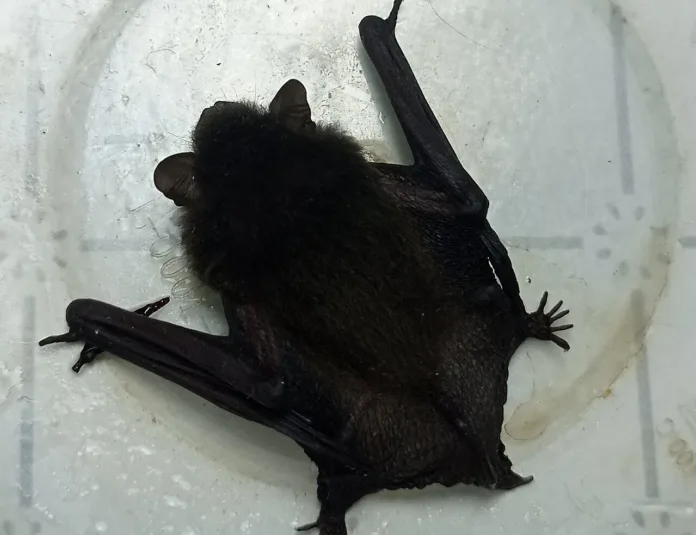


New bat coronavirus found to infect human cells, raising fears of future outbreak
A newly identified bat coronavirus has raised concerns among scientists after research showed it can infect human cells, prompting warnings about a potential future pandemic.
The virus, known as CcCoV-KY43, was identified by researchers working in the UK and Kenya. It belongs to a group of viruses called alphacoronaviruses and is carried by heart-nosed bats found mainly in eastern Africa, including regions of Kenya, eastern Sudan and northern Tanzania.
Laboratory tests revealed that the virus is capable of binding to a receptor found in human lung cells. This process is a key step in how viruses enter the body and begin infections. While the findings show the virus has the ability to interact with human cells, scientists have stressed that it has not yet been detected in humans.
Despite this, researchers have warned that the virus still represents a potential risk. They say its ability to bind to human receptors means it could, under the right conditions, evolve or adapt in a way that allows it to infect people more easily.
Dr Dalan Bailey, a molecular biology expert at The Pirbright Institute and a co-author of the study, explained that previous assumptions about alphacoronaviruses may have underestimated their capabilities. He said scientists had believed these viruses relied on only a limited number of receptors to enter host cells.
Embed from Getty Images
The new findings suggest a more complex picture. According to Dr Bailey, alphacoronaviruses may be able to use a wider range of receptors than previously thought, increasing their potential to cross into new species.
Professor Stephen Graham, who specialises in virus-host interactions at the University of Cambridge and also contributed to the research, said the discovery provides an opportunity to prepare for possible future risks. He emphasised that recognising the threat early allows scientists and public health systems to respond more effectively.
The study focused on analysing the spike proteins of alphacoronaviruses. These proteins sit on the surface of the virus and play a crucial role in allowing it to attach to and enter cells. Researchers examined 40 different spike proteins to see how they interacted with various human receptors.
Among those tested, CcCoV-KY43 was the only virus that successfully entered human cells. The findings were published in the journal Nature, where the researchers described the discovery as identifying a previously uncharacterised receptor used by alphacoronaviruses.
They noted that the research highlights a potential threat to human health and underscores the importance of strengthening pandemic preparedness and prevention efforts.
However, experts not involved in the study have urged caution. They point out that there are still important questions about how the virus behaves outside laboratory conditions. It remains unclear whether it can replicate effectively in humans or spread between people.
Professor Stuart Neil, head of the Department of Infectious Diseases at King’s College London, described the study as significant, noting that it demonstrates the adaptability of viruses and the need for continued monitoring.
Similarly, Professor Aris Katzourakis of the University of Oxford said the research was robust but emphasised the uncertainty surrounding how the virus would act if it were to infect humans. He highlighted that interactions with the human immune system could influence whether it poses a real-world threat.
Other scientists have also stressed that, while the virus can bind to human cells, this does not necessarily mean it can spread between people. Additional factors, including the ability to evade the immune system, would be required for transmission to occur.
The discovery adds to growing scientific efforts to track viruses in wildlife and assess their potential impact on human health. While there is no evidence of human infection at present, researchers say continued vigilance will be essential to understand and mitigate any future risks.