


Airlines cancel flights and raise charges as jet fuel prices surge amid conflict
The global aviation industry is facing severe disruption as soaring jet fuel prices force airlines to cancel flights, raise fares, and introduce new charges.
Fuel costs have surged dramatically in recent weeks, rising from around $85–$90 per barrel to between $150 and $200. The increase has been driven by a global shortage linked to the escalating U.S.-Israeli conflict with Iran, placing significant pressure on airline operations.
Fuel typically accounts for up to a quarter of an airline’s operating expenses. With costs rising sharply, carriers are being pushed to make rapid changes to maintain financial stability. Many airlines have already begun increasing ticket prices, while others are cutting routes or scaling back services.
Lufthansa Group has announced plans to cancel 20,000 flights over the next six months in response to the crisis. The company said the move would help conserve fuel and reduce losses, with some short-haul routes already removed entirely from its schedule.
Other airlines have taken similar action. AirAsia X has reduced flights across its network by 10% and introduced a fuel surcharge of around 20%. Air France-KLM has confirmed it will raise long-haul ticket prices, while its subsidiary KLM is cancelling 160 European flights in the coming month.
Air Canada has also scaled back operations, trimming several daily routes to New York. Meanwhile, Cathay Pacific plans to cancel a portion of its scheduled flights and increase fuel surcharges across routes.
In Asia, airlines are adjusting pricing structures and cutting services. Air India has revised its fuel surcharge system, while Akasa Air has introduced additional charges on both domestic and international flights. Vietnam Airlines is set to cancel multiple weekly domestic services as it seeks relief from rising costs.
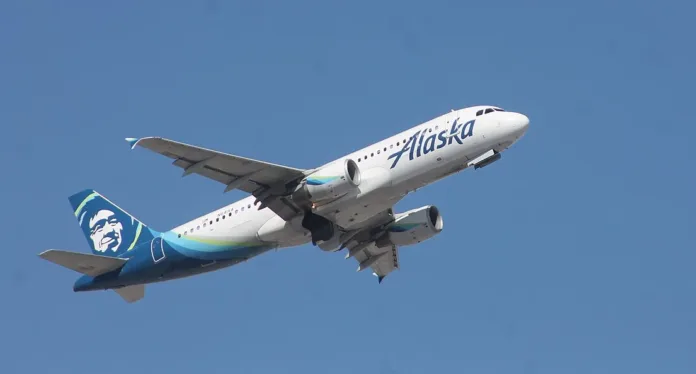
Across the United States, carriers are introducing new fees and reviewing forecasts. American Airlines and Delta Air Lines have both increased baggage charges, while Alaska Air has raised fees for checked luggage and withdrawn its full-year profit forecast due to the financial strain.
Southwest Airlines and United Airlines have also increased baggage fees and reduced unprofitable routes. JetBlue has followed suit, raising prices for optional services as operating costs continue to climb.
European airlines are warning of further disruption. EasyJet has cautioned that passengers should expect higher ticket prices, particularly later in the summer when existing fuel hedging arrangements expire. The airline has also forecast increased losses due to rising fuel expenses.
The situation is being compounded by supply concerns. Around 75% of Europe’s jet fuel supply comes from the Middle East, with key routes such as the Strait of Hormuz facing disruption. This has heightened fears of shortages in the coming weeks.
The European Commission has proposed measures to manage the crisis, including improving fuel distribution between member states to avoid severe shortages. However, officials have warned that even under the best-case scenario, the summer travel season could be significantly affected.
In some regions, the impact has been so severe that airlines have considered halting operations entirely. In Nigeria, airline operators had planned a nationwide shutdown due to unsustainable fuel costs before temporarily suspending the decision following government intervention.
The crisis is also affecting long-term planning. Several airlines, including Qantas and Delta, have revised financial forecasts or delayed investments due to uncertainty over fuel prices. Others have entered emergency management measures or sought external funding to remain operational.
As fuel prices remain volatile, airlines continue to adjust their strategies. Passengers are likely to face higher costs, fewer flight options, and ongoing disruption as the industry navigates one of its most challenging periods in recent years.