
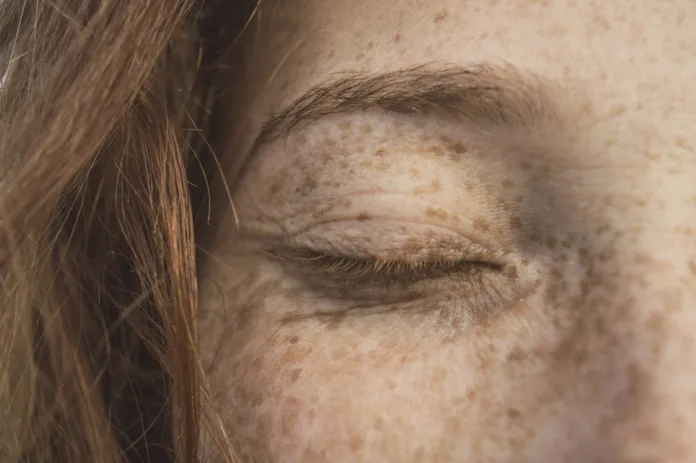

Cancer charity warns melanoma diagnoses have climbed to their highest UK level on record
The UK has recorded its highest-ever number of melanoma skin cancer cases, with diagnoses of the most dangerous form of skin cancer surpassing 20,000 for the first time.
New analysis by Cancer Research UK found that 20,980 people were diagnosed with melanoma in 2022, marking a record level for the disease across the country. The charity warns the numbers could climb even higher in the coming decades.
According to its projections, annual melanoma diagnoses in the UK could rise to 26,500 by 2040. That would represent a 23% increase among men and a 26% increase among women. Researchers said demographic shifts, including a growing and ageing population, are contributing to the expected rise.
The findings arrive as Britain prepares for potentially intense temperatures over the bank holiday weekend.
Embed from Getty Images
Forecasters expect some parts of the country to reach around 30C, while the UK Health Security Agency and the Met Office have issued yellow heat-health alerts across England, warning that higher temperatures could place vulnerable people at risk.
The timing has sharpened warnings from health experts about the dangers of sun exposure and the importance of protecting skin during periods of strong sunshine.
Cancer Research UK chief executive Michelle Mitchell said the increase in melanoma diagnoses was concerning, particularly because most cases are considered preventable.
She urged people to take sun protection seriously by seeking shade, covering exposed skin and applying sunscreen when ultraviolet exposure is strong. She also encouraged anyone noticing unusual skin changes to contact their GP without delay.
New or changing moles, sores that fail to heal or patches of skin that appear abnormal should be checked, she said, stressing that early diagnosis and treatment can make a major difference to outcomes.
Melanoma is now the fifth most common cancer in the UK and remains the most common skin cancer worldwide.
Health experts say nearly nine in 10 melanoma cases in Britain are linked to excessive exposure to ultraviolet radiation from sunlight or sunbeds. Repeated sun damage significantly increases the danger. According to Cancer Research UK, experiencing five or more episodes of sunburn doubles a person’s risk of developing melanoma.
Previous analysis by the charity also identified striking differences in where melanoma tends to appear on the body in men and women.
Among men, around four in 10 melanoma cases are found on the torso, including the chest, stomach and back. In women, roughly 35% of cases occur on the lower limbs, stretching from the hips down to the feet.
Cancer Research UK’s head of health information, Fiona Osgun, warned that people often underestimate how easily sun damage can happen.
She emphasised that sunburn is a visible sign of skin injury and reminded the public that harmful UV exposure does not depend on high temperatures alone. Cooler days and cloudy conditions can still lead to sunburn.
Her advice centred on simple protective measures: staying in the shade during the strongest sunlight hours, wearing clothing that covers vulnerable areas such as shoulders, using hats and sunglasses, and applying sunscreen rated at SPF 30 or above with strong star protection. She also stressed the importance of generous application and frequent reapplication.
NHS England’s national clinical director for cancer, Professor Peter Johnson, echoed those concerns.
He described the latest figures as a stark reminder that melanoma remains one of the most preventable cancers. With warmer weather approaching, he urged people to enjoy sunshine sensibly and not ignore suspicious skin changes.
Anyone spotting a new mole, a changing lesion or an unusual patch of skin should contact their GP promptly, he said, because earlier diagnosis can save lives.