

Health chiefs urge masks and jabs as H3N2 super flu drives a severe winter surge
A new strain of influenza is racing through the United Kingdom and piling intense pressure on the National Health Service, prompting fresh calls for ill people to wear face masks in public. Hospital admissions linked to flu are already fifty-six per cent higher than at the same point last year, and experts warn that the peak of the season has not yet arrived.
Health officials say a variant of influenza A, known as H3N2 and nicknamed super flu, is now the dominant strain in England this winter. Because it differs from the variant that circulated widely last year, overall immunity in the population is lower, making it easier for the virus to spread.
The government has warned that the coming months will be extremely challenging. A spokesperson said this will be a tough winter for the NHS and that the latest figures confirm flu cases are at very high levels. Hospitals are already under strain, with rising numbers of patients needing care for flu on top of usual winter pressures.
The United Kingdom Health Security Agency has urged everyone who is eligible to get a flu jab as soon as possible. Early data suggest that this season’s vaccine is offering good protection, even against the H3N2 strain that is now driving most cases. Officials say vaccination remains the best defence against serious illness.
H3N2 has a reputation for causing more severe disease, particularly in vulnerable groups. Daniel Elkeles, the chief executive of NHS Providers, which represents NHS trusts across the country, described it as a very nasty strain of flu. He said the service is facing a tidal wave of illness, as infections surge and staff sickness also rises.
Embed from Getty Images
The advice from experts is clear. Children, older adults, pregnant women and people with certain medical conditions can receive the flu vaccine for free on the NHS. Others are able to pay for a jab at many pharmacies, where the cost is usually around twenty pounds. Alongside vaccination, regular hand washing and wearing a mask in crowded settings are strongly recommended to help slow transmission.
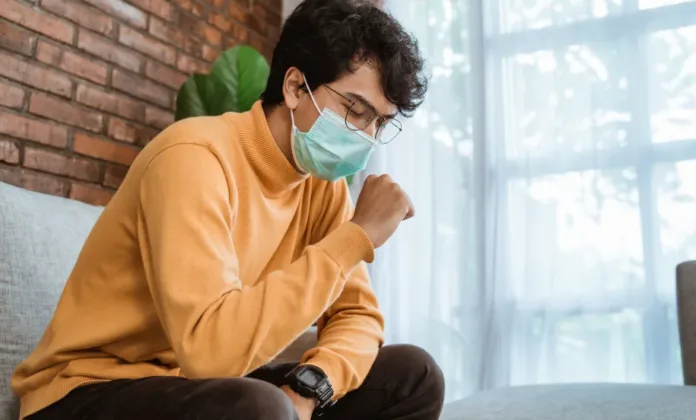
Elkeles called on the public to revive habits that became common during the COVID pandemic. He said that if people are coughing and sneezing, but feel well enough to work or travel, they should put on a mask when they are in public spaces, including on buses, trains and other forms of transport. In his view, this simple step reduces the chances of passing the virus to someone more vulnerable. He reminded people that the country had once been very good at infection control and insisted that it is time to get back to that mindset.
The NHS is also advising anyone who feels unwell to stay at home and avoid close contact with others if they have a high temperature or do not feel well enough to carry on normal daily activities. Doctors say this helps protect colleagues, classmates and relatives who may be at higher risk of complications.
Despite concern about the super flu label, early evidence around the vaccine is encouraging. The United Kingdom Health Security Agency reports that the twenty twenty five to twenty twenty six flu vaccine appears to be between seventy and seventy-five per cent effective at preventing hospital attendance in children aged two to seventeen years. In adults, the effectiveness is currently estimated at around thirty to forty per cent. Health officials stress that vaccines often work better in children, and that final figures will become clearer later in the season.
Dr Jamie Lopez Bernal, consultant epidemiologist for immunisation at the agency, said the findings provide reassuring evidence that this season’s vaccines offer important protection for both children and adults, despite concerns about the new subclade. He added that the strong results in younger age groups strengthen the case for ensuring all eligible children are vaccinated, since protecting them also helps limit the spread of flu to others around them.
As case numbers climb and hospitals brace for further pressure, the message from experts is that masks, good hygiene and vaccination remain the key tools for helping the country ride out this super flu wave.