
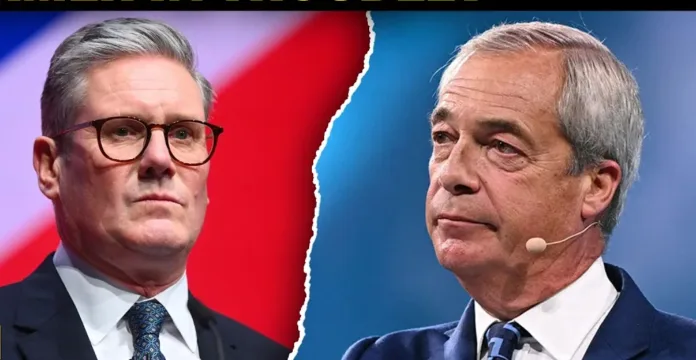

Reform UK surges across Britain as Labour suffers devastating local election losses
Keir Starmer is facing mounting political pressure after Labour suffered a series of crushing defeats in the 2026 local elections, with Reform UK tearing through traditional Labour strongholds across England.
In what is already being described as one of the worst local election performances in Labour’s history, the party lost control of seven councils overnight as support for Nigel Farage and Reform UK surged dramatically.
The scale of the losses has triggered calls for Starmer to resign, with furious Labour figures warning that the party’s collapse in former heartlands could signal a political disaster ahead of the next general election.
Labour surrendered majorities in councils including Hartlepool, Redditch, Tamworth, Tameside and Southampton after Reform UK made sweeping gains.
One of the most symbolic blows came in Hartlepool, where Reform won all 12 seats up for election in a town long regarded as a Labour stronghold. Labour lost seven seats there, leaving both parties tied on 15 councillors.
Reform also swept every contested seat in Tamworth and seized eight of the nine available seats in Redditch, six of them directly from Labour. The results forced Labour into the prospect of governing through fragile coalitions or minority administrations in areas it once dominated comfortably.
As results continued arriving overnight, Reform celebrated what party officials described as a dramatic breakthrough in Britain’s so-called Red Wall. Party representatives claimed traditional Labour voters were now switching directly to Reform in numbers few pollsters had predicted.
Farage declared his party was now “on track to win the next general election”, comparing the local election surge to successfully clearing one of the toughest jumps in the Grand National horse race.
The political damage for Labour spread beyond northern England. In Wandsworth, Labour lost overall control of the council just four years after taking it from the Conservatives. In Oxford, the Green Party stripped Labour of five seats, exposing growing pressure on Starmer from multiple political directions.
Meanwhile, Reform made major gains in Dudley, taking 20 seats while both Labour and the Conservatives suffered heavy losses. Former Conservative MP Marco Longhi, who defected to Reform after losing his parliamentary seat in 2024, secured victory for the party in the Upper Gornal and Woodsetton ward.
The night became even more alarming for Labour after Darren Hale, leader of Labour’s group on Hull City Council, openly called for Starmer to step down. Speaking after Labour lost seven seats in Hull, Hale said voters repeatedly raised concerns about Starmer on the doorstep and argued the party needed a change in leadership.
Early turnout figures added further concern for Labour strategists. Average turnout reportedly climbed to 43 per cent across England, significantly higher than in comparable local elections four years ago. Analysts believe the rise suggests voters were highly motivated to cast ballots against Labour while Reform successfully mobilised support nationwide.
Although only a fraction of councils had declared results by early morning, the trend already appeared devastating for Starmer’s government. Reform gained more than 230 councillors during the early stages of counting, while Labour lost over 170 seats.
The results have intensified fears inside Labour that support is collapsing across the party’s traditional base less than two years after returning to government.
For Reform UK, however, the night marked something entirely different a political breakthrough that could reshape Britain’s electoral landscape.