

Iran missiles were intercepted as US-Saudi strikes hit Iraq and oil fears returned
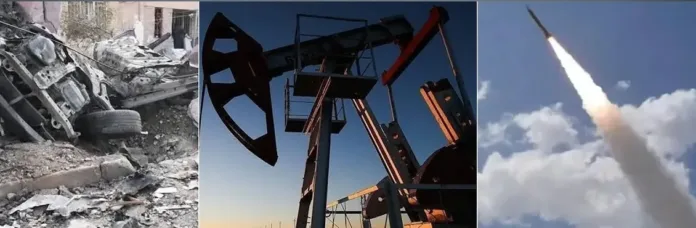
A brief pause in fighting between Iran and the United States has collapsed after Tehran launched multiple ballistic missiles towards American forces in the Middle East, according to the US military.
The latest Iran-US strikes ended a short lull that had raised hopes of getting negotiators back to the table. Instead, the region was pulled back into direct confrontation within hours.
US Central Command said the attack took place at 17:45 EDT on Tuesday. It described the missile launch as an “attempted surprise attack” and said all the missiles were successfully intercepted. Iran said it had targeted a US base in Jordan.
The US and Saudi Arabia then carried out strikes in Iraq. Centcom said the operation targeted “Iran-aligned terrorists” and hit multiple logistics and weapons sites in the east of the country. The US military described the action as a response to more than 30 drone attacks over the previous 72 hours, which it said were directed by Iran’s Islamic Revolutionary Guard Corps.
Centcom warned that Iran’s military and its allied groups must stop the attacks or face further US military action.
The renewed crossfire came only a day after Donald Trump had spoken about “very friendly negotiations” with Iran. At that point, the two sides had gone three days without trading direct strikes.
That pause followed 13 straight nights of US bombing, during which Washington said it had destroyed tunnels and bridges in southern Iran. Scores of people were reported to have died in those strikes.
Saudi Arabia had already said its forces intercepted and destroyed drones aimed at petroleum facilities in the country’s eastern region. Defence ministry spokesman Major General Turki al-Maliki accused Iran-affiliated militia groups in Iraq of launching them.
The Strait of Hormuz remains one of the most dangerous pressure points in the conflict. Iran’s Islamic Revolutionary Guard Corps said it had hit three oil tankers in the waterway, according to Tasnim News Agency. The strait is one of the world’s most important energy routes, and any escalation there can quickly shake global markets.
Oil prices rose early on Wednesday as traders reacted to the threat of further disruption. Brent crude climbed 4.3% to $87.70 a barrel in morning trading in Asia, while US-traded oil rose 4.2% to $82.62.
The new round of strikes also coincided with Israeli Prime Minister Benjamin Netanyahu’s visit to Washington. He met Trump at the White House and attended the funeral of US Senator Lindsey Graham, a strong supporter of a hard line on Iran.
The timing adds another political layer to the crisis. Netanyahu has pushed for continued pressure on Tehran, while Trump has shown signs of wanting a route out of a war that has already stretched far beyond early expectations.
The human cost for US forces is also rising. Recent Pentagon data showed at least 624 US service members have been wounded since Trump ordered strikes against Iran in February. Of those, 417 were listed in relation to Operation Epic Fury, the joint US-Israeli military campaign against Iran.
For now, the fragile pause has vanished. Iran says it struck at American forces. The US says every missile was stopped. Saudi Arabia has joined retaliatory strikes in Iraq. And the Strait of Hormuz is again at the centre of fears that one more attack could send the conflict, and oil prices, spiralling further.