
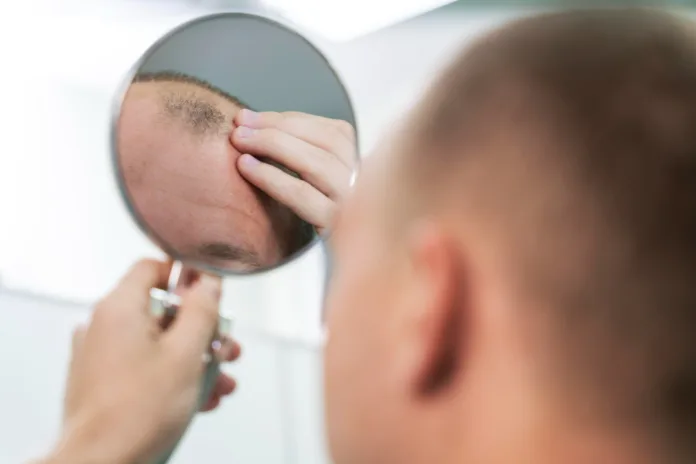

Major study links GLP-1 drugs to higher alopecia risk as UK hair-loss reports rise
Popular weight loss drugs including Mounjaro, Ozempic and Wegovy have been linked to hair loss in a major new study involving around 50,000 people.
Researchers examined GLP-1 receptor agonists, a group of drugs used to treat type 2 diabetes and obesity. These medicines mimic natural hormones in the body, helping to regulate blood sugar and reduce appetite.
But patients using the drugs have also been reporting hair loss to regulators. The new research now appears to support a possible link.
A team from the University of Pennsylvania Health System compared rates of alopecia in adults using GLP-1 drugs with rates among people taking other diabetes medicines. The researchers looked at GLP-1 users against patients taking SGLT-2 inhibitors and DPP-4 inhibitors.
The study included 12,004 patients using GLP-1 drugs, who were compared with 15,221 people using SGLT-2 inhibitors. A further 11,964 GLP-1 users were compared with 11,238 people taking DPP-4 inhibitors.
After adjusting for factors that could affect the results, including age and weight, the researchers found GLP-1 drugs were associated with a 37% higher risk of alopecia compared with SGLT-2 inhibitors.
The risk appeared even higher when GLP-1 users were compared with people taking DPP-4 inhibitors. In that analysis, GLP-1 drugs were linked to a 68% higher risk of hair loss.
Further checks suggested the association mainly involved non-scarring alopecia. In this type of hair loss, the follicles remain intact, meaning there is still potential for hair to grow back.
Embed from Getty Images
The study adds weight to earlier reports involving drugs such as semaglutide, sold as Wegovy and Ozempic, and tirzepatide, sold as Mounjaro.
Regulators have already received hair loss reports from people using these medicines. In the UK, the Medicines and Healthcare products Regulatory Agency has received 399 reports of hair loss linked to tirzepatide so far in 2026, after 541 reports last year.
The agency has also received 148 reports of hair loss linked to semaglutide this year, following 164 reports last year.
The researchers said hair loss usually does not cause physical harm. Even so, they warned it can still have serious emotional effects. Hair loss may affect self-esteem, quality of life and whether patients continue treatment.
The team said the most likely explanation may relate to weight loss itself and reduced calorie intake. Restricting calories can place stress on the body and may contribute to deficiencies in nutrients such as iron, zinc and biotin. Those deficiencies can disrupt the normal hair growth cycle.
The researchers also said other factors may play a role. GLP-1 drugs may affect metabolic, hormonal and immune processes that influence hair growth. They also noted that delayed stomach emptying could alter the absorption of some oral medicines, including hormone treatments.
Changes in thyroid function may also matter, especially for people with existing hormonal conditions.
The authors said more research is still needed. Their findings do not prove that GLP-1 drugs directly cause hair loss in every case. But they said the results provide more systematic evidence for doctors and patients to consider.
The study comes as weight loss drugs face growing attention over their wider effects. On Wednesday, separate findings suggested the drugs may also be linked to fewer hospital admissions among people dependent on alcohol.
For now, the new research puts another possible side effect under the spotlight: losing weight may, for some patients, come with the distressing possibility of losing hair.