

Reg Barker says the state apology matters, but his birth parents died before hearing it
A Suffolk man whose biological mother was forced to give him up for adoption has said the government’s long-awaited apology came “far too late” for the people most deeply affected.
Reg Barker, 66, from Mildenhall, was adopted when he was three and a half years old. He did not discover the truth until he was 18 and applied for a passport. What followed was a shock that shaped the next 45 years of his life, as he tried to trace the birth family he never knew.
His mother, who was from Bristol, had been forced to give him up by hospital staff, according to Barker. Decades later, after years of searching, he was finally able to meet his half-siblings while in his 60s. But his birth parents did not live to hear the government say sorry.
Speaking to BBC Radio Bristol, Barker said he was still trying to take in the forced adoption apology, but made clear that the moment had arrived too late for many families.
“My birth mother won’t hear that apology. My birth father won’t hear that apology,” he said. He added that it was “far too late for all the children and all the adults involved”.
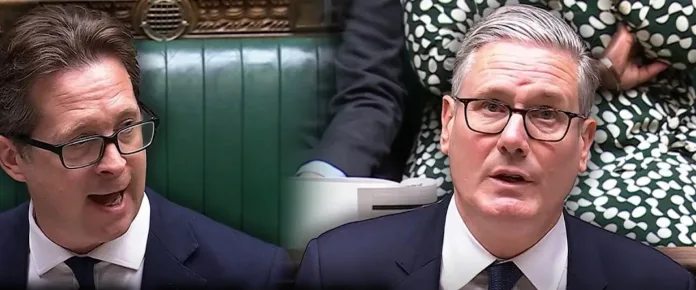
Sir Keir Starmer issued the formal apology on behalf of the British state in the House of Commons on Thursday, following years of campaigning by mothers, adoptees and wider families.
The prime minister described forced adoption as “a stain on our history” and said the practice was not a series of isolated mistakes. He told MPs that it was embedded across local authorities, religious organisations and parts of what is now the NHS.
An estimated 185,000 babies were taken from their mothers in the 1950s, 1960s and 1970s. Many women were unmarried and faced pressure to give up their children at a time when shame, judgement and institutional power left them with little protection.
Starmer said those institutions had power over people’s lives, but acted without compassion, consent, dignity or proper safeguards. He said the government was “deeply and profoundly sorry” to mothers who were told they were unfit and prevented from keeping the children they wanted.
For Barker, the forced adoption apology carries emotional weight, but also pain. It recognises what happened, yet it cannot return the decades lost between children and parents. It cannot give his birth parents the chance to hear the words spoken in Parliament.
His own story shows the lasting damage caused when families were separated, and children were left without answers. He found out about his adoption by accident, not through a planned conversation. The discovery came at 18, just as he was trying to take an ordinary step into adult life by applying for a passport.
The search that followed lasted nearly half a century.
Barker urged other adopted people who are looking for their birth relatives to keep going. He told them to “please do it” and said no one affected by forced adoption should carry shame.
His message was clear and deeply personal. Whether someone was a parent forced to surrender a child, or a child who grew up inside the adoption system, they should know they were brave.
“I don’t want anybody anywhere in this country or abroad who’s been adopted or had to go through forced adoption of their children to ever feel any shame,” he said.
The forced adoption apology marks a historic moment for the British state. But for Barker, history has already taken too much. The words have finally come, but the people he most wanted to hear them are gone.