
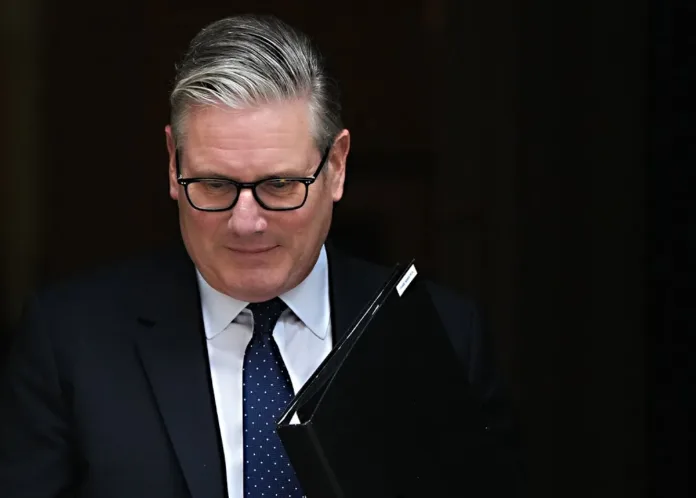

Trump criticises Mandelson appointment as Starmer faces mounting pressure and commons showdown
Sir Keir Starmer is bracing for another punishing day in Westminster as the fallout from the Peter Mandelson vetting scandal intensifies, with fresh pressure now coming from across the political spectrum and even from the United States.
The prime minister’s leadership remains under scrutiny after a turbulent Commons session that exposed deep divisions and rising anger over the controversial appointment of Lord Mandelson as UK ambassador to Washington. During a heated two-hour exchange, tensions boiled over to the point where two MPs were removed from the chamber after accusing Starmer of dishonesty.
Despite mounting criticism, Starmer has maintained that he made the appointment in good faith. He has admitted it was a mistake but insists he would never have approved Mandelson’s role had he known the former Labour minister had failed security vetting. The prime minister claims he was only informed of the issue last Tuesday, placing responsibility squarely on the Foreign Office and its then most senior civil servant, Sir Olly Robbins.
Robbins, who was dismissed last week, is now preparing to present his version of events to MPs. He is expected to appear before the Foreign Affairs Committee, where his testimony could further complicate Starmer’s position. Supporters of the former official suggest he will argue that the vetting process unfolded in an environment where Mandelson’s appointment was effectively treated as inevitable, despite concerns surrounding his past associations.
There are also indications that Robbins will challenge the narrative that a formal vetting decision was overridden. Instead, he is likely to say he received only a verbal briefing and did not see the full security documentation. This could raise further questions about communication failures at the highest levels of government.
Adding to the pressure, reports suggest Starmer may have ignored advice from then cabinet secretary Simon Case, who had warned against proceeding with the appointment until security checks were completed. If confirmed, this could deepen concerns about judgment and decision-making within Downing Street.
The political stakes are rising rapidly. Conservative leader Kemi Badenoch has called for Starmer to resign, accusing him of shifting blame onto officials. Meanwhile, the Speaker has approved an emergency Commons debate, ensuring the issue will remain at the centre of parliamentary attention.
The controversy has now taken on an international dimension. US President Donald Trump weighed in overnight, describing Mandelson as a “really bad pick” in a post on his Truth Social platform. Trump referenced Starmer’s own admission of “wrong judgement” and suggested the prime minister still had time to recover from the decision.
Trump’s intervention marks a significant escalation, highlighting how the scandal has begun to resonate beyond UK politics. It also adds further embarrassment for Starmer, whose handling of the situation is already under intense domestic scrutiny.
Opposition leaders from multiple parties have joined calls for accountability, while Labour figures privately worry about the long-term damage to the government’s credibility.
Starmer, however, has rejected claims that he misled Parliament. He continues to argue that he acted on the information available to him at the time and has promised to provide full transparency as more details emerge.
As the day unfolds, attention will focus on Robbins’ testimony and the emergency debate in the Commons. Both could prove pivotal in shaping the next phase of the crisis.
For Starmer, the challenge is no longer just about defending a controversial appointment. It is about restoring trust both within his party and across Parliament at a moment when his authority is being tested more severely than at any point in his premiership.