
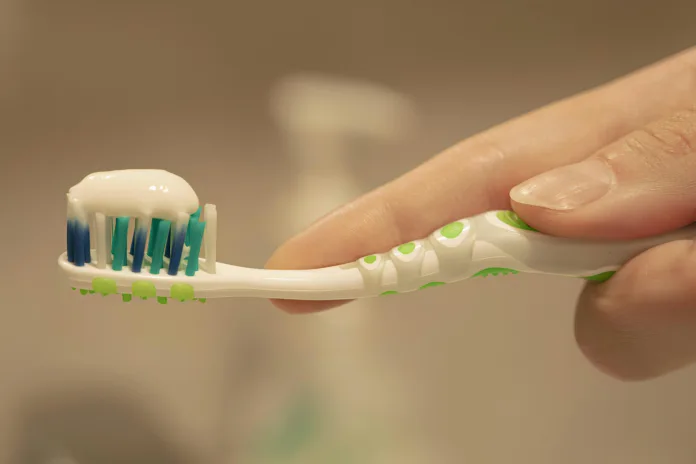

Scientists say brushing three times daily may cut the risk of dozens of serious illnesses
Brushing your teeth three times a day could do far more than protect your smile; it may help guard against more than 50 serious health conditions, including dementia and arthritis, experts have warned.
Researchers speaking at the American Association for the Advancement of Science (AAAS) annual conference in Arizona last week stressed that oral hygiene plays a critical role in overall health. They described the mouth as a “gateway” to the rest of the body and highlighted growing evidence linking gum disease to systemic illness.
Alpdogan Kantarci, professor at the University of Minnesota’s School of Dentistry, told the conference that maintaining healthy teeth may significantly reduce the risk of multiple chronic conditions.
“We now think that maintaining your teeth in health may be associated with a reduced risk of more than 50 systemic conditions,” he said during a session titled The Mouth as a Gateway to Overall Health.
Embed from Getty Images
Previous studies have already connected oral bacteria to Alzheimer’s disease, cancer, cardiovascular conditions and diabetes. Scientists believe harmful bacteria from gum disease can travel through the bloodstream and, in some cases, reach the brain.
Kantarci pointed to periodontitis, an aggressive form of gum disease, as a major concern. When bacteria enter circulation, they can trigger chronic inflammation. This inflammatory response may prompt the immune system to attack joints, increasing the risk of rheumatoid arthritis. In the brain, inflammation can accelerate the build-up of plaques that disrupt neurotransmitters and contribute to cognitive decline.
He emphasised that no research currently proves gum disease directly causes dementia or arthritis. However, the associations are strong enough to demand greater attention.
“Research is now showing that in people with mild or moderate diseases, those who are brushing and taking care of their teeth or seeing a dentist and having advanced cleanings, are showing much better cognitive responses,” Kantarci explained.
The warning comes amid concerns about declining dental health in parts of Europe. A 2022 study identified Norway as the most tooth-conscious country, while Serbia ranked lowest alongside Latvia and Poland. In terms of dental attendance, the Netherlands led the way, while Portugal, Ireland and the UK recorded some of the lowest rates.
Socioeconomic barriers contribute heavily to these gaps. High treatment costs, long waiting lists and travel distances can make care inaccessible. According to 2024 Eurostat figures, adults aged 65 and over report significantly higher levels of unmet dental needs than younger age groups.
The UK faces additional challenges. The latest Adult Oral Health Survey revealed that 41 per cent of UK residents now experience tooth decay, up sharply from 28 per cent in 2009. Nearly half of the respondents said the condition of their teeth had a serious impact on daily life.
Diet also plays a crucial role. Kantarci highlighted the impact of ultra-processed foods, soft diets and rising obesity levels, particularly in Western countries. Despite greater theoretical access to dental care, these lifestyle factors may undermine oral health.
“We think that the Western world has better access to oral care but you would be surprised that all of the processed food, the soft diet, lack of exercise, obesity and so on are really predisposing us,” he said.
Experts recommend brushing before bed and after consuming sugary foods. Using an electric toothbrush and cleaning the tongue, which can harbour significant bacteria may further reduce risk.
The message from researchers was blunt: oral health awareness must improve if systemic health is to follow. What happens in the mouth does not stay there, and neglecting it could carry consequences far beyond a toothache.