
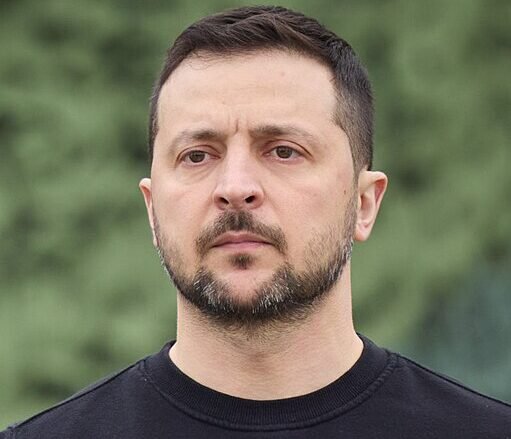

Zelensky meets Starmer, Macron and Scholz as US pressures Kyiv to accept concessions in peace talks
President Volodymyr Zelensky will arrive at Downing Street on Monday for urgent talks with senior European leaders, as Ukraine and its allies continue to grapple with heavy US pressure to accept concessions in ongoing peace negotiations with Russia. The high-level meeting, hosted by Prime Minister Sir Keir Starmer, will also bring together the leaders of France and Germany, as Europe attempts to ensure any potential deal prevents a renewed Russian assault.
The talks come on the heels of three days of intense discussions in Florida, where Zelensky’s new chief negotiator, Rustem Umerov, pressed for revisions to a White House proposal that many in Kyiv fear grants too much ground to Kremlin demands. While both the US and Ukraine said the meetings had yielded progress, tensions flared on Sunday when US President Donald Trump openly criticised Zelensky over his handling of the process.
Speaking to reporters, Trump said he was “a little disappointed that President Zelensky hasn’t yet read the proposal, that was as of a few hours ago”. He went on to suggest that Ukraine’s allies were more enthusiastic about the draft deal than Zelensky himself. “His people love it… [Russia] would rather have the whole country when you think of it, but Russia is, I believe, fine with it but I’m not sure that Zelensky is fine with it,” Trump added.
His remarks appeared to refer to a newly revised draft of the proposed peace framework, updated in Miami following meetings between Umerov and Trump’s close advisers, special envoy Steve Witkoff and Trump’s son-in-law Jared Kushner. The revisions were intended to address concerns raised by Kyiv, but sources close to the Ukrainian delegation said some sticking points remained unresolved.
Shortly after Trump’s comments, Zelensky said he had not yet been debriefed on the latest version of the draft but expected to receive a full update from Umerov either in London or Brussels. “Some issues can only be discussed in person,” he explained, signalling the increasing delicacy of the negotiations and the growing determination within Kyiv not to be cornered into a one-sided settlement.
Zelensky described the discussions with Witkoff and Kushner as “constructive, though not easy”, reflecting Ukraine’s struggle to balance its security red lines with the mounting pressure from Washington to strike a deal. The Ukrainian president has repeatedly insisted any agreement must meaningfully deter future Russian aggression, not simply freeze the conflict.
Monday’s meeting at No 10 marks a significant moment in Europe’s role in the diplomatic process. Starmer, Macron and Scholz are expected to present a united front behind Ukraine, even as they navigate the political complexities of Trump’s direct involvement in shaping the peace proposal. European governments have long argued that any settlement must strengthen Ukraine’s long-term security architecture something they fear could be diluted under US pressure for rapid agreement.
For Starmer, who has pledged steadfast support for Ukraine since entering Downing Street, the summit represents a crucial opportunity to reinforce Europe’s influence over negotiations that could define the continent’s security landscape for decades. French president Emmanuel Macron and German chancellor Olaf Scholz share similar concerns, wary of a rushed compromise that might embolden Moscow.
As Zelensky touches down in London, the stakes have rarely been higher. The Ukrainian leader is walking a tightrope: attempting to keep Washington engaged without appearing to fold to its demands, while rallying European partners behind a deal that protects Ukraine’s sovereignty and future stability.
The coming days will determine whether Kyiv and its allies can shape the final terms of a peace plan still viewed with deep scepticism in Ukraine’s political and military circles or whether pressure from Washington will force a settlement that many in Europe fear could unravel over time.