
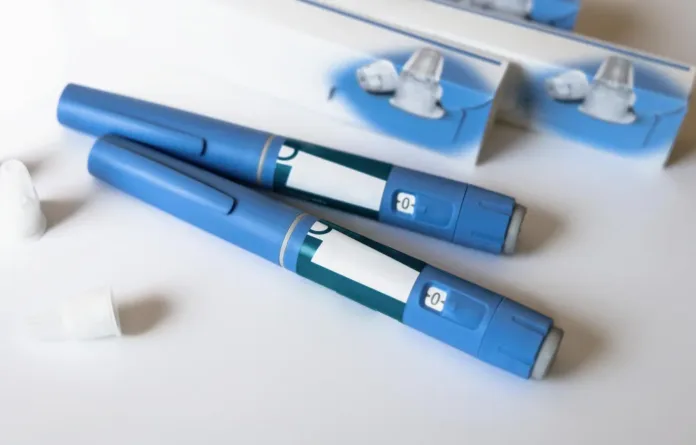

Research links Wegovy to a higher risk of sudden vision loss compared with Ozempic
People taking the weight-loss drug Wegovy may face a significantly higher risk of sudden sight loss than those using the diabetes medication Ozempic, according to a large-scale study.
Researchers found that patients using Wegovy had nearly five times the risk of developing a condition known as non-arteritic anterior ischemic optic neuropathy (NAION), a disorder that can cause rapid and often permanent loss of vision.
The findings were published in the British Journal of Ophthalmology and are based on an analysis of reported drug side-effects.
Naion is sometimes described as an “eye stroke” because it occurs when blood flow to the optic nerve is reduced. The damage can lead to sudden vision loss that is usually permanent.
Although the condition is rare, the researchers identified a noticeable difference between medications containing the active ingredient semaglutide.
Semaglutide belongs to a group of medicines known as glucagon-like peptide-1 receptor agonists, or GLP-1 RAs. These drugs help reduce blood sugar levels, slow digestion, and decrease appetite.
They are widely prescribed to treat type 2 diabetes and to support weight loss.
Semaglutide is sold under several brand names, including Wegovy, Ozempic and Rybelsus, while another medication in the same broader category is tirzepatide, sold as Mounjaro.
Embed from Getty Images
The study found that Wegovy showed the strongest association with reports of sudden vision loss.
By comparison, the researchers did not detect an increased risk linked to Rybelsus tablets or to tirzepatide.
The analysis reviewed reports of side effects submitted to the United States Food and Drug Administration’s adverse event reporting system between December 2017 and December 2024.
Researchers compared reports involving Ozempic injections used for type 2 diabetes, Wegovy injections prescribed for obesity, and Rybelsus tablets also used to treat diabetes.
The maximum weekly dose of Ozempic included in the study was 2mg, while Wegovy was examined at doses up to 2.4mg per week, which is the highest approved amount.
Dr Edward Margolin, an ophthalmologist at the University of Toronto and one of the study’s authors, said Naion was likely to represent a genuine side-effect associated with semaglutide.
He suggested that faster, more aggressive weight loss could increase the risk of the condition.
The researchers also found that men were roughly three times more likely than women to experience Naion.
Despite the findings, experts stressed that the condition remains extremely rare.
The study estimated that Naion affects about one in 10,000 people who take semaglutide.
Health authorities have also emphasised that the overall risk remains low.
In February, the UK’s Medicines and Healthcare products Regulatory Agency issued a drug safety update highlighting the possible risk of Naion in patients taking semaglutide.
Dr Alison Cave, the agency’s chief safety officer, said the risk was “extremely low” but advised that both patients and doctors should be aware of symptoms that could indicate side-effects.
She said early recognition could help ensure patients receive appropriate treatment if problems occur.
Some specialists have urged caution when interpreting the results.
Samantha Mann, consultant ophthalmologist and diabetic eye screening lead at the Royal College of Ophthalmologists, said the study relied on reported side-effects and could not prove that semaglutide directly causes the condition.
She added that increases in this type of optic nerve stroke had not been widely observed in routine clinical practice at St Thomas’ Hospital in London.
Further research, she said, would be needed to determine whether the increased risk is genuine.
Novo Nordisk, the pharmaceutical company that manufactures Wegovy, Ozempic and Rybelsus, said patient safety remains its highest priority.
A spokesperson said the company works closely with regulators worldwide to monitor the safety of its medicines.
They added that patient information leaflets in the European Union have been updated to include Naion as a possible side-effect.
However, the company said current evidence does not show a clear causal link between semaglutide and the condition, and it believes the overall benefit-risk profile of the medication remains favourable.