


US and Ukrainian delegations in Geneva reportedly narrow divides in peace plan, but negotiators say more time is needed
The United States on Monday celebrated “a tremendous amount of progress” in peace talks with Ukraine, following a key round of negotiations in Switzerland. Still, officials cautioned that more time was needed before any deal could be finalised.
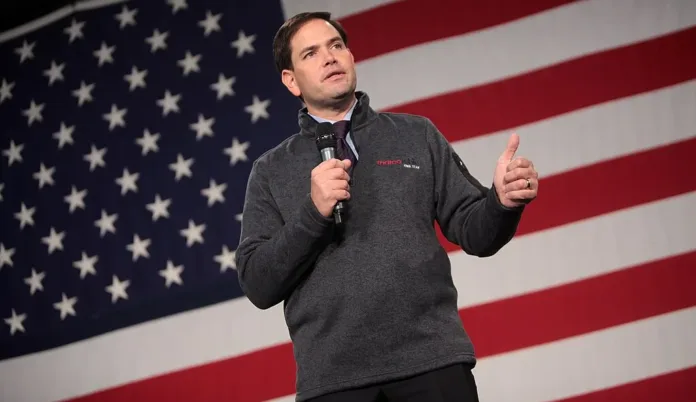
US Secretary of State Marco Rubio described Sunday’s meetings in Geneva as “the most productive and meaningful” so far in the peace process. He said the American and Ukrainian delegations had made serious headway, while also acknowledging that substantial work remains ahead.
Rubio told reporters that the United States was making “some changes” to the draft peace plan, apparently in response to Ukrainian suggestions. These adjustments aim to reduce the remaining gaps and bring both sides closer to a version that both nations find acceptable. He said his hope was that the revised plan would win the approval of both Ukraine and the United States, calling it a process of narrowing differences.
Despite the optimism, Rubio was cautious about declaring any final victory. He stressed that the talks had moved considerably ahead compared to where they stood just a week ago, but he insisted: “We just need more time than what we have today. I honestly believe we will get there.”
He struck a hopeful tone, but he also made clear that the moment was not yet definitive. Rubio said he did not want to suggest that this round of negotiation represented finality. There was still detailed work to be done, especially in translating political progress into concrete guarantees.
Rubio also praised the Ukrainian delegation’s approach, lauding their seriousness and willingness to negotiate in good faith. He noted that former President Donald Trump was “quite pleased” with the direction of the talks, recalling that Trump had earlier criticised Ukraine’s leadership in social media posts for showing “ZERO GRATITUDE” for American efforts.
Embed from Getty ImagesMeanwhile, Ukrainian President Volodymyr Zelenskyy addressed the nation in his nightly broadcast, suggesting that he saw positive signals in the discussions. He said there were signs that “President Trump’s team hears us.” His remarks appeared to reflect cautious optimism, mirroring the tone adopted by his US counterparts.
In a separate White House statement issued in the evening, officials described the Geneva round as “a significant step forward.” They claimed that key revisions and clarifications in the draft peace plan had reassured Ukrainian negotiators. According to the release, Ukrainian delegates told American counterparts that the current text “reflects their national interests and provides credible and enforceable mechanisms to safeguard Ukraine’s security in both the near and long term.”
However, analysts remain wary of the risks still on the table. One defence commentator noted that the original US Russian peace plan, which reportedly involved twenty eight main points, faced fierce scrutiny. He suggested that while Trump’s earlier draft drew heavy criticism, the spirit of negotiation may be shifting, but that does not guarantee success.
Despite the cautious optimism, Rubio was keen to stress that the path ahead remained fragile. He emphasised that even though the meeting had been more fruitful than expected, a final agreement would require more time, more trust, and more detail. He insisted that both sides must avoid rushing a deal that could unravel.
As the delegations prepare to reconvene, the political stakes are high. For the United States, a credible peace agreement could reshape its role in Europe and influence its standing in the region. For Ukraine, the question remains whether any deal can deliver robust and enforceable security guarantees without compromising national sovereignty.
For now, all parties appear united by a shared sense of cautious hope. The mood in Geneva suggests that negotiators are more aligned than ever, but Rubio’s warning that time is short underscores just how delicate the progress is. The coming days will likely prove critical in deciding whether this remarkable round of diplomacy becomes a true turning point or simply another chapter in a fraught process.