
.jpg)

UK authorises military to board Russian oil tankers amid sanctions crackdown
UK armed forces have been authorised to board Russian oil tankers in British waters, marking an escalation in efforts to counter Moscow’s sanction-evading “shadow fleet”.
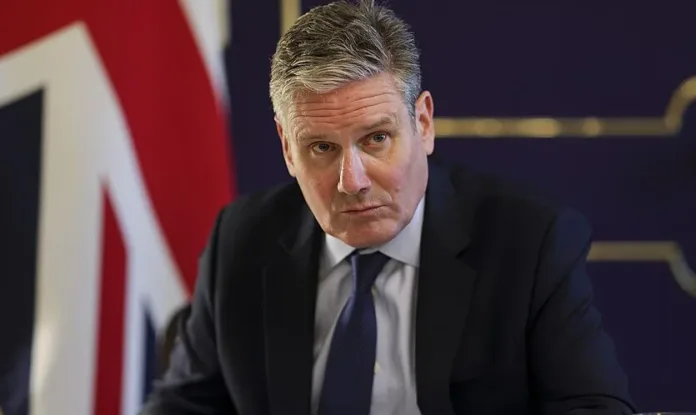
Downing Street confirmed that the move, approved by Prime Minister Keir Starmer, will allow British military or law enforcement authorities to take direct action against vessels suspected of breaching UK sanctions.
The decision represents a significant step beyond previous operations. The Royal Navy has already worked alongside allies in monitoring such vessels. Last week, it assisted in tracking a sanctioned Russian tanker in the Mediterranean, which was later boarded by the French navy.
Embed from Getty Images
Under the new approach, British authorities will be able to intervene more directly against tankers that use tactics such as false national flags or complex ownership structures to export Russian crude oil while avoiding sanctions imposed by Western countries.
More than 600 vessels have been targeted by sanctions from the UK, the European Union and the United States. However, the new powers will apply only to ships sanctioned by the UK.
The move comes ahead of the Joint Expeditionary Force Summit in Helsinki, where maritime security is expected to be a key focus. The UK-led alliance, which includes 10 Nato members, has already seen countries such as Finland, Sweden and Estonia carry out operations against suspected shadow fleet vessels in the Baltic Sea.
The aim of these measures is to disrupt Russia’s ability to generate revenue from oil exports, which are seen as a key source of funding for its war efforts in Ukraine.
However, the decision has drawn a warning from Moscow. Russian officials have suggested that direct action against such vessels could risk escalating tensions further.
Nikolai Patrushev, a senior Russian official and former head of the FSB who now leads Russia’s maritime board, has said the country’s navy should be prepared to respond to what he described as “western piracy”. He indicated that Russia could deploy naval forces to protect vessels linked to its interests.
UK Defence Secretary John Healey had earlier signalled the possibility of stronger measures. In January, he referred to potential “military options” against sanctioned vessels and suggested that any oil seized could be sold, with proceeds directed to Ukraine.
That same month, intelligence from Lloyd’s List indicated that 23 shadow fleet vessels using false or fraudulent flags had been identified in the Channel or the Baltic Sea. Many of these ships are believed to be involved in transporting Russian oil, often to destinations including China, India and Turkey.
Prime Minister Starmer defended the decision, linking it to broader geopolitical developments. He said that Russia was seeking to benefit from higher oil prices amid conflict in the Middle East and stressed the need to counter those efforts.
He stated that the UK would continue to defend its sovereignty and support Ukraine, while aiming to cut off what he described as the profits funding Russia’s military campaign.
The UK has already supported similar actions. In January, British authorities assisted US forces in pursuing and seizing a tanker known as Bella 1, later renamed Marinera, in the Atlantic after it had been flagged to Russia.
Following that operation, ministers instructed officials to develop plans for further interventions by British forces.
Before any vessel is boarded, authorities will carry out a detailed assessment. Law enforcement agencies, military personnel and energy market specialists will review each case before making recommendations to ministers.
If a ship is seized, it could lead to criminal proceedings against its owners, operators and crew for alleged breaches of UK sanctions laws.
The new powers signal a more assertive stance by the UK in enforcing sanctions at sea, with the potential to increase tensions as efforts intensify to restrict Russia’s oil exports.