
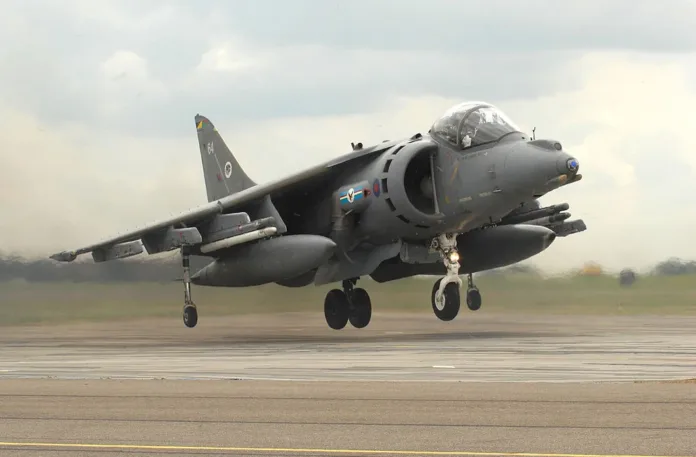


The UK has sold £20bn in defence exports as fears grow over a possible war involving Russia
The UK has sold £20bn worth of defence exports, a striking figure revealed at a time when fears of a potential war involving Russia continue to shape global security thinking.
The surge in exports reflects growing international demand for military equipment as countries reassess their defences amid rising geopolitical tension. Governments across Europe and beyond have increased spending on weapons and defence systems, driven by concerns over future conflict and regional instability.
UK officials have presented the £20bn figure as evidence of the strength of the country’s defence industry, rather than a direct response to any single conflict. Ministers have stressed that exports are guided by international demand and subject to strict licensing rules.
Despite those assurances, the timing of the sales has drawn criticism. Campaigners and opposition figures argue that expanding arms exports while warning of war risks fuelling instability and undermining diplomatic efforts. They say the scale of the figure raises serious ethical questions.
Defence exports have long played a significant role in the UK economy, supporting jobs and manufacturing across the country. Supporters of the industry argue that supplying allies strengthens collective security and helps deter aggression during periods of heightened threat.
However, critics counter that increased arms sales can lock nations into cycles of militarisation. They warn that selling weapons during moments of tension risks escalating conflicts rather than preventing them.
The broader context for the exports is an increasingly anxious international climate. Warnings about the possibility of war involving Russia have led many governments to review military readiness and stockpiles. Analysts say the UK’s export growth mirrors a wider global trend rather than an isolated policy decision.
Embed from Getty ImagesMinisters insist that all defence exports are reviewed on a case-by-case basis. They maintain that licences are only granted where sales are deemed consistent with national security interests and international obligations.
The £20bn figure has sparked renewed debate in Parliament. Some MPs have called for greater transparency over who receives British-made weapons and how export decisions align with foreign policy objectives.
Others argue that refusing to supply defence equipment to partners would weaken alliances and leave the UK sidelined at a critical moment in global security. They say defence exports are an unavoidable part of modern geopolitics.
The issue also highlights the tension between economic benefit and moral responsibility. Defence contracts bring revenue and jobs, but they also carry reputational risks when global conflict feels increasingly close.
Observers note that arms exports often surge during periods of uncertainty. Fear of conflict drives demand, creating commercial opportunities that sit uneasily alongside calls for restraint and diplomacy.
For the government, the challenge is managing that balance. Selling £20bn worth of defence equipment while warning about global instability exposes the difficulty of reconciling economic interests with calls for peace.
As international tensions continue, scrutiny of the UK’s role in the global arms market is likely to intensify. The £20bn export figure has become a focal point for wider concerns about security, ethics and responsibility.
With the threat of war shaping decisions worldwide, Britain’s expanding defence exports underline how deeply fear and uncertainty now influence global policy choices.