
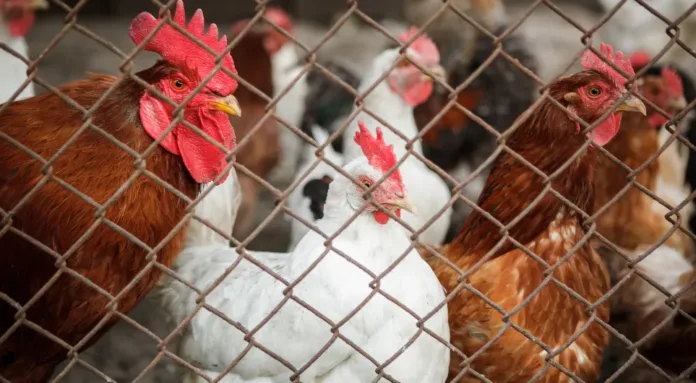

A highly pathogenic bird flu strain spreads rapidly across the UK, triggering urgent pandemic fears
Britain is facing an unprecedented surge in bird flu as health officials confirm the most infectious wave of outbreaks ever recorded in the country. Since October, 92 cases of highly pathogenic avian influenza have been reported, already exceeding the total number seen across the whole of the previous year. The scale and speed of the spread have prompted renewed warnings from scientists that the virus could pose a far greater threat if it mutates further.
The outbreaks, recorded throughout autumn and winter, involve a highly pathogenic strain that has forced thousands of birds into lockdown. Poultry farms and avian facilities across the UK have been placed under strict restrictions as authorities attempt to contain the virus and limit further transmission. According to data from the UK Health Security Agency, the current tally has overtaken last year’s total of 82 outbreaks, which were recorded between October 2024 and September 2025.
Bird flu spreads through the saliva, mucus and faeces of infected birds, making it particularly difficult to control once it gains a foothold. Infected birds can develop severe respiratory illness, and the virus can move rapidly through flocks when biosecurity is breached. The highly infectious nature of the current strain has raised alarm among experts, who say its behaviour is more aggressive than in previous seasons.
Veterinary specialists continue to carry out intensive testing and monitoring as new cases emerge. Images from affected sites show laboratory workers swabbing poultry as part of active outbreak diagnostics, highlighting the scale of the response now underway. Despite these efforts, the virus has continued to spread, underlining the challenges of controlling such a contagious pathogen.
Embed from Getty Images
One of the most serious concerns is the virus’s potential to change. Influenza viruses are known to mutate, and experts warn that repeated outbreaks increase the risk of the strain becoming more transmissible. If that were to happen, the consequences could extend beyond birds. Scientists stress that while the virus currently spreads among birds, a mutation could alter its impact in ways that are difficult to predict.
Professor Ian Brown, one of Britain’s leading virologists and a group leader in avian virology at The Pirbright Institute, has previously warned that farmers should be “prepared for the worst”. Speaking in November, he described the strain as “super-infectious”, a characterisation that now appears increasingly justified as the outbreak numbers climb.
The current wave has also placed significant strain on the poultry industry. Lockdowns and movement restrictions have disrupted operations, while the threat of further outbreaks continues to loom. Farmers remain on high alert, knowing that even a single breach in biosecurity can lead to devastating consequences for entire flocks.
Health officials have not indicated that the public faces an immediate risk, but the rising number of outbreaks has fuelled wider concern. The fact that this season’s cases have already surpassed last year’s total with months still to go has sharpened fears that the situation could worsen before it improves.
As monitoring continues, experts emphasise that vigilance is critical. The virus’s rapid spread serves as a stark reminder of how quickly animal diseases can escalate. While containment efforts remain focused on birds, the underlying warning is clear: if this highly pathogenic strain mutates to become more transmissible, the implications could reach far beyond Britain’s farms and wildlife.