
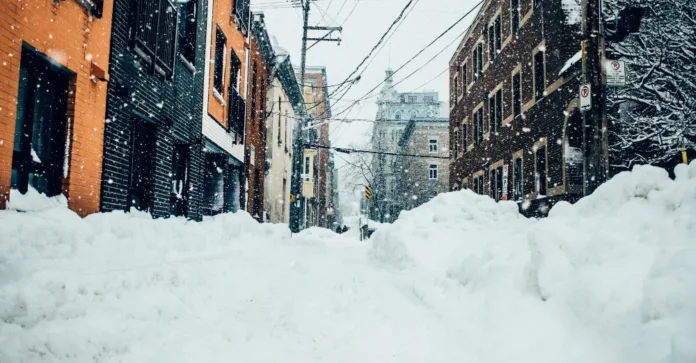

Red wind warnings and heavy snow forecasts signal major disruption across parts of the UK
A rare red warning for wind has been issued for the Isles of Scilly and much of Cornwall as Storm Goretti bears down on the UK, bringing the threat of exceptionally violent winds, heavy snow and dangerous conditions across multiple regions.
The Met Office said gusts could reach 100mph or more in exposed coastal areas, particularly in west Cornwall and the Isles of Scilly. Winds are expected to strengthen rapidly on Thursday evening, creating a short but intense period of severe conditions lasting up to three hours before gradually easing.
Forecasters warned the storm represents a “multi-hazard” weather event, combining destructive winds, heavy snowfall and torrential rain. The red warning was upgraded due to growing confidence that the strongest gusts could cause significant damage and disruption.
An amber warning for snow has also been issued for large parts of Wales, the Midlands and areas of northern England. Snow is expected to fall overnight and into Friday morning, with accumulations of 10–15cm likely in many areas. In higher ground, particularly in Wales and the Peak District, totals of 20–30cm are possible.
The Met Office said these conditions could severely disrupt travel, power supplies and essential services. Numerous yellow warnings for wind, rain and snow are also in place across England and Wales, reflecting the widespread nature of the storm’s impacts.
Chief forecaster Neil Armstrong described Storm Goretti as a dangerous and complex system. He said the red warning highlights the risk of violent gusts capable of causing structural damage, flying debris and large waves along exposed coastlines. Coastal flooding and life-threatening conditions near the sea are also possible.
Storm Goretti is expected to generate very large waves, making coastal areas particularly hazardous. The Met Office warned people to avoid exposed seafronts and clifftops during the storm’s peak.
While the strongest winds will hit the southwest, gusts of 50–60mph are forecast for parts of southern England and the far southwest of Wales, especially along coasts and higher ground. Even stronger winds are expected across the Channel Islands and northern France, which is why the storm has been named by Météo-France rather than the Met Office.
Snowfall will be concentrated on the northern edge of the storm system. Rain will add further hazards, particularly in southwest Wales and parts of eastern England, increasing the risk of difficult travel conditions and localised flooding.
Further north, cold conditions remain entrenched. Scotland, Northern Ireland and northern England will see colder but more settled weather, with some coastal wintry showers and clearer conditions inland. Temperatures have already plunged dramatically, falling to -14.7°C overnight in Tomintoul, Banffshire, with further sub-zero lows expected.
Health authorities have issued amber cold-weather health alerts across all regions of England until 12 January, warning of increased risks to vulnerable people during the prolonged cold spell.
Transport disruption is expected to be widespread. Train and bus services are likely to be affected, roads may become treacherous or impassable, and drivers have been urged to avoid unnecessary journeys, particularly overnight into Friday.
The Met Office said Storm Goretti will begin to move away on Friday evening, allowing a brief period of calmer weather on Saturday. However, further unsettled conditions are expected to arrive from the west on Sunday, bringing renewed risks of strong winds, rain and potential snowfall as milder air clashes with lingering cold air.
Forecasters warned that weather conditions remain uncertain beyond the weekend and advised the public to stay alert to updated warnings and official guidance as the situation evolves.