
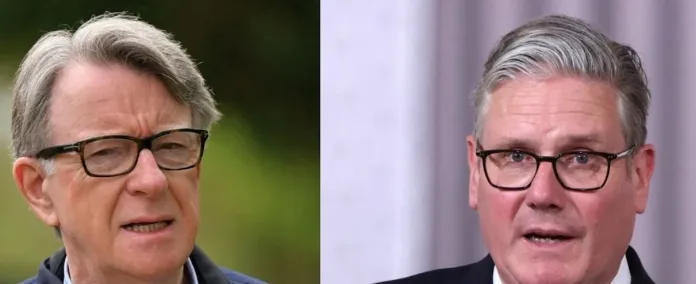

Starmer faces a critical Commons showdown as the Mandelson vetting scandal threatens his leadership
Prime Minister Keir Starmer is preparing for a defining political moment as he faces a high-stakes Commons showdown over the escalating Peter Mandelson vetting scandal. With pressure mounting from both opposition parties and within his own government, the coming days could prove decisive for his leadership.
Starmer is set to deliver a statement to MPs on Monday, aiming to clarify how Mandelson was appointed as the UK ambassador to Washington despite having failed security vetting. The controversy centres on the Foreign Office’s decision to overrule that failure without informing ministers, including the prime minister himself.
The situation has already triggered serious consequences inside the government. Olly Robbins, the top civil servant at the Foreign Office, has been dismissed and is expected to face questioning by MPs. His appearance before the Foreign Affairs Select Committee could further intensify scrutiny on Downing Street and deepen the crisis.
Over the weekend, ministers scrambled to stabilise Starmer’s position as calls for his resignation grew louder. Opposition leaders have argued that he should step down, claiming he would never have approved Mandelson’s appointment had he been aware of the failed vetting.
Privately, senior government figures have acknowledged the seriousness of the situation. Some fear the scandal could become a tipping point if new details emerge or if Labour MPs lose confidence in Starmer’s leadership. There is growing concern that the week ahead may determine whether he can maintain control or face an internal rebellion.
Starmer has insisted he was kept in the dark. He described the failure to inform him as “astonishing” and “unforgivable”, making clear his anger at not being told that Mandelson had failed security checks. He has pledged to set out the full facts to Parliament, promising transparency in an attempt to regain trust.
Downing Street has also moved to counter claims that legal restrictions prevented officials from informing ministers. An explanatory document released by the government argues that while sensitive details must remain protected, there is no law stopping civil servants from flagging vetting concerns to allow informed political decisions.
Meanwhile, Robbins is reportedly seeking legal advice following his dismissal. Sources suggest he feels he has been treated unfairly and is determined to present his version of events when he appears before MPs. His testimony could add further tension to an already volatile situation in Whitehall.
Despite the turmoil, some senior figures have urged calm. Deputy Prime Minister David Lammy warned against internal division, arguing that voters want stability rather than a government consumed by infighting. He cautioned that any move to replace Starmer could trigger wider political instability, including calls for a general election.
Other ministers have also attempted to limit the fallout. Technology Secretary Liz Kendall defended Starmer’s leadership, insisting he had made the right decisions on major national issues and had not compromised national security through the appointment.
However, the political stakes remain exceptionally high. With local and devolved elections looming, and global pressures already affecting the government’s standing, the scandal has arrived at a particularly sensitive moment.
As Starmer prepares to face MPs, the question now is whether his explanation will be enough to steady his leadership or whether the controversy will spiral further, pushing his premiership to the brink.