
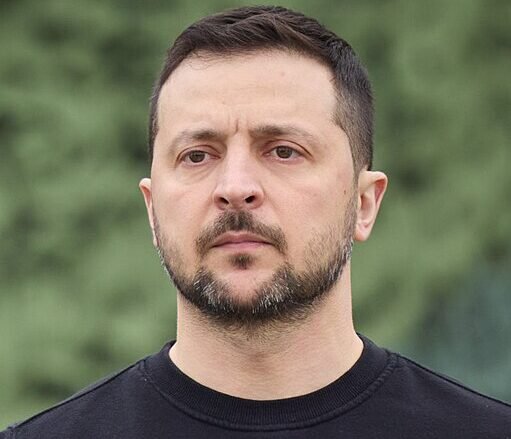

Ukraine faces renewed drone attacks while its President prepares to address the most sensitive parts of a proposed peace deal with the United States
Ukraine endured another night of destructive drone strikes as Russia continued its campaign against the capital, placing further pressure on the country’s leadership at a moment of intense diplomatic activity. The attacks came just as President Volodymyr Zelenskyy confirmed that he intends to discuss the most sensitive elements of a proposed peace agreement directly with President Donald Trump.
The renewed assault on Kyiv followed fresh negotiations in Geneva, where United States and Ukrainian officials met to examine a controversial twenty eight point peace framework originally shaped by American and Russian discussions. That proposal has since been revised by European allies of Ukraine, who drafted an alternative version intended to safeguard Kyiv’s long term security needs.
The White House confirmed that several difficult issues remain unresolved. Karoline Leavitt, speaking for the administration, said that although progress had been made there were still a couple of points on which the two sides had not found agreement. She noted a strong sense of urgency from Washington to bring the process to a conclusion, stating that the president wished to see the conflict brought to an end through a negotiated settlement.
Embed from Getty Images
Zelenskyy echoed that sentiment during his nightly address, though he made clear that the process had reached the stage where only direct contact between leaders could settle the remaining uncertainties. He said that there was still work to complete and that any final document must be produced with dignity. He emphasised that the most delicate matters would be discussed personally with Trump when the two presidents speak in the coming days.
The negotiations have taken place against a backdrop of shifting rhetoric from the United States. Trump had earlier expressed frustration with Ukraine, suggesting that Kyiv had not shown enough appreciation for American support and indicating that he expected a swift response to the peace plan. He had spoken of Thursday as a deadline for agreement, but Secretary of State Marco Rubio later downplayed that suggestion. Rubio maintained that the talks could continue if necessary and said that recent meetings in Geneva had been the most productive so far, though more time would be needed.
Meanwhile, Russia has shown no sign of accepting the European backed proposal. Moscow has rejected the revised plan that would freeze the conflict along current front lines and leave territorial negotiations to a future stage. That version also includes the possibility of a United States security guarantee similar to the role NATO plays for its members. Russia has signalled that these conditions are unacceptable, suggesting that further pressure may lie ahead for negotiators.
The drone strikes on Kyiv served as a stark reminder of the continuing intensity of the war. While officials in both Washington and Kyiv work to refine a plan that might lead to an agreement, the attacks underline the human and strategic stakes that accompany every stage of the process. Buildings were damaged across several neighbourhoods and emergency services worked through the night to contain fires and provide assistance to residents affected by the assaults.
The combination of military escalation and delicate diplomacy leaves Ukraine facing some of the most demanding days of the conflict. With a meeting between Zelenskyy and Trump expected soon, the approach taken by both leaders may determine whether the latest peace efforts can move from proposals to a practical agreement. Until then, the situation on the ground continues to shape the urgency felt in capitals across Europe and the United States, where officials recognise that the window for progress remains narrow and highly dependent on the discussions to come.