
.jpg)

Macron insists no final peace plan exists amid fears Kyiv is being pushed into concessions
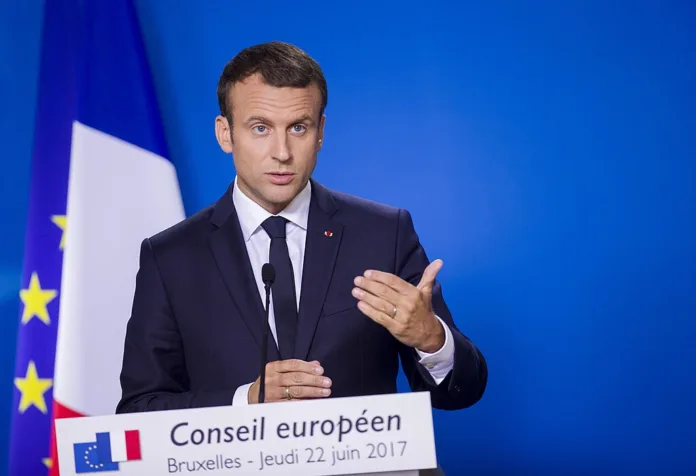
French President Emmanuel Macron has pushed back against intensifying pressure from Washington to secure a swift peace deal in Ukraine, warning that there is still no agreed framework for ending the war. Standing beside Ukrainian President Volodymyr Zelenskyy at a press conference in Paris, Macron stressed that any settlement must be shaped by Ukraine, not imposed on it.
“Today, there isn’t a finalised plan on territorial questions,” he said. “These can only be decided by President Zelenskyy.” His comments underlined the increasingly delicate diplomatic landscape as the United States urges Kyiv to consider compromises to bring the conflict to an end.
Macron said discussions on frozen Russian assets and long term security guarantees for Ukraine remain “at a preliminary phase”. The EU has been struggling to unlock €140 billion in frozen Russian reserves to fund reparations for Ukraine, with objections from Belgium stalling the plan.
Embed from Getty Images
Zelenskyy travelled to Paris as pressure on him grows. The US administration of President Donald Trump has been pushing Kyiv to accept a framework that initially included territorial concessions and limits on the size of Ukraine’s armed forces. Zelenskyy acknowledged that the US proposal had “improved”, but stressed that the hardest element remained unresolved.
“The process is not over, the territorial question is the hardest,” he said. Ukraine’s constitution, he noted, prevents him from ceding land to Russia, and he insisted any peace deal must ensure Ukraine is protected against future attacks. “Peace must become truly durable.”
The original 28 point US proposal, drafted by special envoy Steve Witkoff and Russian negotiator Kirill Dmitriev, also excluded any possibility of Ukraine joining NATO. US Secretary of State Marco Rubio has said security guarantees will only be discussed after an agreement is reached.
The timing of the Paris summit is significant. Witkoff is due to meet Russian President Vladimir Putin in Moscow on Tuesday. The Kremlin has said the visit will focus on outlining a framework for a possible peace settlement. Macron followed his meeting with Zelenskyy by calling Trump to argue for strong guarantees for Kyiv.
European leaders, however, fear Ukraine may be squeezed into an unfavourable arrangement. Zelenskyy has been politically weakened by the resignation of his chief of staff, Andriy Yermak, who stepped down amid a wide-ranging corruption probe. The EU’s foreign policy chief, Kaja Kallas, said she feared the diplomatic pressure would be directed “at the victim” rather than the aggressor.
Alongside the Paris talks, Macron, Zelenskyy and British Prime Minister Keir Starmer held a call with Witkoff and Rustem Umerov, Ukraine’s security council chief. European officials discussed earlier negotiations in Geneva and Florida, which had watered down some of the most pro-Russian elements of the original plan. But they remain unsure whether the US envoy will present the agreed revisions in Moscow.
In Brussels, EU defence ministers met to discuss continued military support for Kyiv. Many argued that frozen Russian assets must be used to bolster Ukraine’s negotiating position. Kallas said funding options need to be agreed urgently, while Sweden’s defence minister, Pål Jonson, urged broader sanctions and faster use of Russian reserves to ensure Ukraine negotiates “from a position of strength”.
The Netherlands announced a €250 million contribution to a NATO backed procurement scheme to supply Ukraine with US air defence systems and ammunition for F 16 jets. Dutch Defence Minister Ruben Brekelmans also signed an agreement with Ukraine’s Denys Shmyhal to co-produce drones.
The European Commission said that 15 EU countries had included Ukraine support in applications for the €150 billion SAFE loans-for-weapons scheme, with spending reaching “billions, not millions”. Latvia’s deputy defence minister urged other European nations to follow suit, stressing the scale of the commitment required.
For now, the path to peace remains uncertain. Macron’s message was clear: there is no final deal, and Europe will not accept one imposed on Ukraine.