
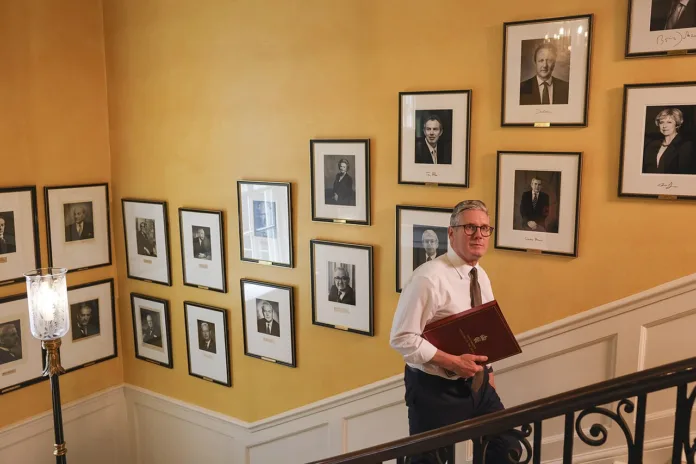


Less than two years after leading Labour to one of its biggest election victories in decades, the Keir Starmer resignation has become one of the defining political stories of 2026. After months of declining public support, internal party unrest and disappointing election results, Starmer announced that he would step down as Prime Minister and Labour leader, remaining in office only until a successor is chosen.
His departure marks a remarkable shift in British politics. Once praised for restoring Labour’s credibility after years in opposition, Starmer’s premiership ended amid growing pressure from within his own party. His journey from respected lawyer to Prime Minister, and ultimately to resignation, shows just how quickly political fortunes can change in the UK.
Table of Contents
From barrister to Labour leader
Before entering frontline politics, Sir Keir Starmer built a distinguished legal career.
Some of the defining moments of his early career include:
- Serving as Director of Public Prosecutions between 2008 and 2013.
- Receiving a knighthood for services to criminal justice.
- Becoming the Labour MP for Holborn and St Pancras in 2015.
- Winning the Labour leadership contest in 2020.
When Starmer became Labour leader, the party was recovering from one of its worst general election defeats. His immediate priority was rebuilding public trust, tackling internal divisions and presenting Labour as a credible alternative government.
His leadership style was often described as cautious, methodical and focused on stability rather than headline-grabbing politics.
Returning Labour to government
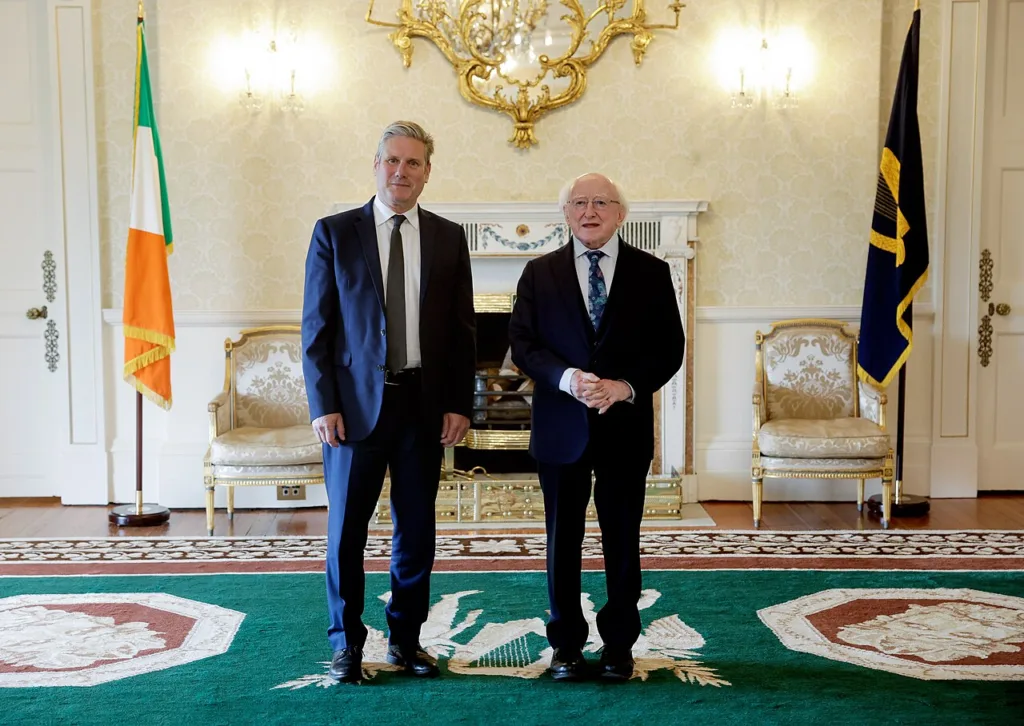
One of Starmer’s greatest achievements was leading Labour back into government after the 2024 General Election.
The victory ended fourteen years of Conservative rule and gave Labour a commanding parliamentary majority. Many voters viewed Starmer as someone capable of restoring stability following years marked by Brexit disputes, economic uncertainty and frequent leadership changes.
His government entered office with ambitious promises, including:
- Boosting economic growth.
- Reducing NHS waiting times.
- Delivering planning and housing reforms.
- Strengthening workers’ rights.
- Improving public services.
Initially, expectations were high that Labour would usher in a new era of political stability.
The challenges begin
However, governing quickly proved more difficult than winning an election.
Britain continued to face significant economic challenges, including sluggish growth, pressure on public finances and persistent concerns over the cost of living. At the same time, immigration remained one of the country’s most divisive political issues.
Public services also faced mounting pressure, particularly within the NHS, while businesses continued calling for greater economic certainty.
These issues gradually eroded public confidence in the government.
Why did the Keir Starmer resignation happen?
The Keir Starmer resignation did not result from a single event. Instead, it reflected months of mounting political pressure.
Several factors contributed to his decision:
1. Falling public support
Opinion polls showed Labour’s popularity declined significantly after it entered government.
Many voters believed progress on key election promises had been slower than expected, particularly on economic growth and public services.
2. Internal Labour pressure
Perhaps the greatest challenge came from within Starmer’s own party.
Following disappointing election performances and growing concern about Labour’s future electoral prospects, increasing numbers of Labour MPs publicly questioned his leadership and called for change.
3. Electoral setbacks
Poor local election results intensified concerns that Labour could struggle at the next General Election.
Those defeats strengthened calls for new leadership before further political damage occurred.
4. Leadership fatigue
Critics argued that while Starmer was viewed as competent, many voters struggled to identify a clear long-term vision for Britain.
Repeated policy adjustments and internal disagreements contributed to the perception that the government lacked direction.
Has Keir Starmer resigned?
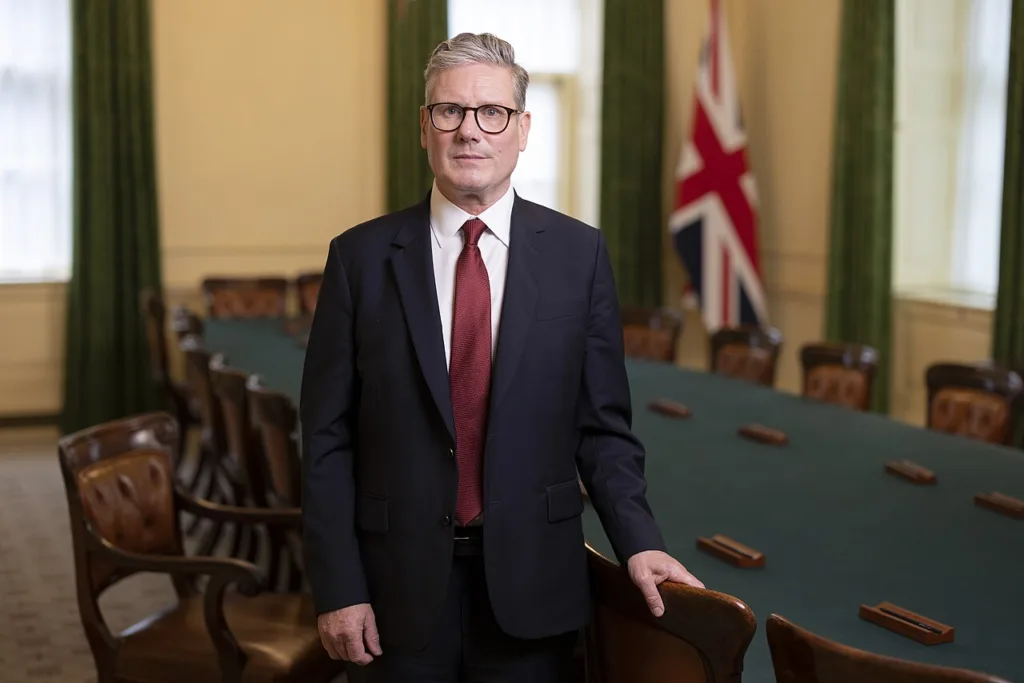
Yes.
For anyone asking, “Has Keir Starmer resigned?”, the answer is yes.
Starmer announced his resignation on 22 June 2026, saying he would remain Prime Minister temporarily while Labour completes its leadership contest. He stated that an orderly transfer of power was in the country’s best interests.
His decision is expected to pave the way for a new Labour leader to take office before Parliament returns after the summer recess.
Will Keir Starmer resign? How the question changed
Only weeks before the announcement, many people were searching online, “Will Keir Starmer resign?”
At that stage, political speculation was growing as Labour MPs increased pressure on the Prime Minister following poor polling and electoral setbacks.
Once Keir Starmer resignation became official, attention quickly shifted from whether he would leave office to who would replace him and what the change would mean for the government.
Who could replace Starmer?
The leadership race is now one of the biggest stories in Westminster.
Andy Burnham has emerged as the clear frontrunner to succeed Starmer and has already begun outlining his priorities should he become Prime Minister. He has pledged to maintain Labour’s fiscal rules while attempting to restore confidence among voters, businesses and financial markets.
The next Labour leader will inherit several major challenges:
- Restoring public confidence.
- Delivering stronger economic growth.
- Managing immigration policy.
- Improving NHS performance.
- Preparing for the next General Election.
What does the Keir Starmer resignation mean for Britain?

The Keir Starmer resignation creates uncertainty but also presents an opportunity for Labour to reset its political direction.
Financial markets reacted relatively calmly because the possibility of Starmer stepping down had already been widely anticipated. However, investors remain focused on who becomes the next Prime Minister and whether existing economic policies will continue.
For the public, the biggest questions remain practical rather than political:
- Will the economy improve?
- Will public services recover?
- Will Labour regain public trust?
- Can a new leader unite the party?
The answers will shape Britain’s political landscape over the coming years.
Keir Starmer’s legacy
History is unlikely to judge Starmer by his resignation alone.
His leadership transformed Labour from an opposition party into a governing majority, rebuilding its electoral credibility after years of internal division. At the same time, his premiership demonstrated how difficult governing can be during periods of economic pressure, political fragmentation and high public expectations.
Whether remembered as the leader who revived Labour or as a Prime Minister whose government lost momentum too quickly, his impact on modern British politics is unlikely to be forgotten.
Final thoughts
The Keir Starmer resignation closes a remarkable political chapter. From a respected barrister and Director of Public Prosecutions to Labour leader and Prime Minister, his rise reflected years of disciplined political work. His departure, however, shows that in modern British politics, electoral victory is only the beginning; sustaining public confidence is often the far greater challenge.
As Labour prepares to choose a new leader, Britain enters another period of political transition. Whether that change restores stability or ushers in a new era of uncertainty will become clear in the months ahead.