
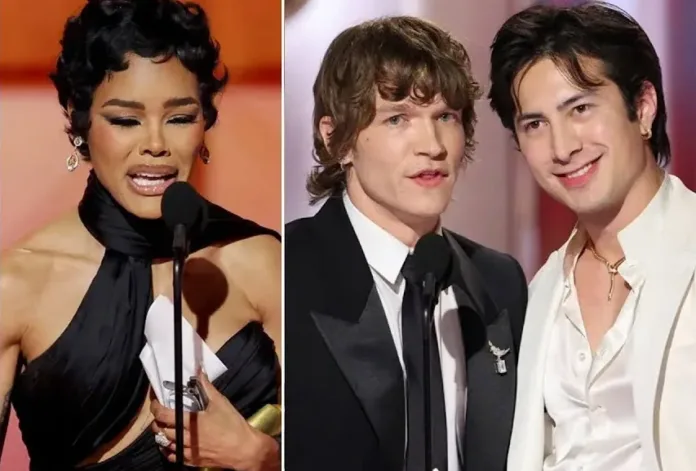

A calm ceremony masks sharp divides as major wins, quiet snubs and fresh faces define the night
The 2026 Golden Globes closed in a mood that felt almost deceptively calm, a polished ceremony that masked the sharper undercurrents shaping Hollywood’s current moment. After years of turbulence and reform, the awards rolled on with few shocks but plenty to read between the lines, as familiar names were celebrated, new voices were elevated, and at least one major contender left the room with far less than expected.
By the end of the night, One Battle After Another emerged as the dominant force in the film comedy and musical categories, securing wins for picture, director and screenplay. Its success gave the evening a clear narrative anchor, confirming the film’s standing as a critical and industry favourite. In contrast, the drama categories were more evenly split, with Hamnet and The Secret Agent sharing the top honours, reflecting a year in which prestige filmmaking resisted being defined by a single title.
Acting awards followed a similarly measured pattern. Performances in Hamnet, The Secret Agent and Adolescence were repeatedly recognised, reinforcing the sense that voters were rewarding seriousness and emotional weight over spectacle. Jessie Buckley’s win for best actress in a motion picture drama was one of the night’s most warmly received moments, while Wagner Moura’s recognition underscored the continued global reach of the awards.
Television proved even more decisive. The Pitt, The Studio and Adolescence dominated their respective categories, mirroring results seen elsewhere this awards season. The sweep suggested a clear consensus among voters and left little room for late-breaking surprises. Still, there were moments of novelty, with newer shows and first-time winners signalling a shift away from long-running favourites and towards fresher material.
Yet for all the polish and predictability, the evening’s most talked-about outcome was what did not happen. Sinners, widely discussed throughout the season, walked away with only the cinematic and box office achievement award and best original score. For many observers, that outcome landed as the night’s quiet shock, reinforcing the sense that commercial success alone remains a precarious foundation for awards dominance.
The ceremony itself unfolded smoothly, aided by a confident return from host Nikki Glaser. Her sharp but controlled humour set a tone that avoided controversy while still landing pointed jabs. The room appeared receptive, the balance carefully struck between irreverence and restraint. It was a performance that reflected the Globes’ ongoing effort to project stability after years of scrutiny and change.
As the final awards were handed out, a broader pattern became clear. This was a night that favoured order over upheaval, affirmation over rebellion. New series were welcomed, respected filmmakers were reaffirmed, and the industry’s current tastes were laid bare without dramatic confrontation. The lack of chaos was itself notable, suggesting an awards body keen to show that it can deliver credibility without spectacle.
When the lights dimmed and the afterparties beckoned, the Golden Globes left behind a clear message. Hollywood, at least for one night, chose reassurance. The winners were worthy, the omissions telling, and the ceremony efficient to the point of quiet finality. In an industry built on drama, the absence of scandal felt deliberate and perhaps revealing in its own right.