
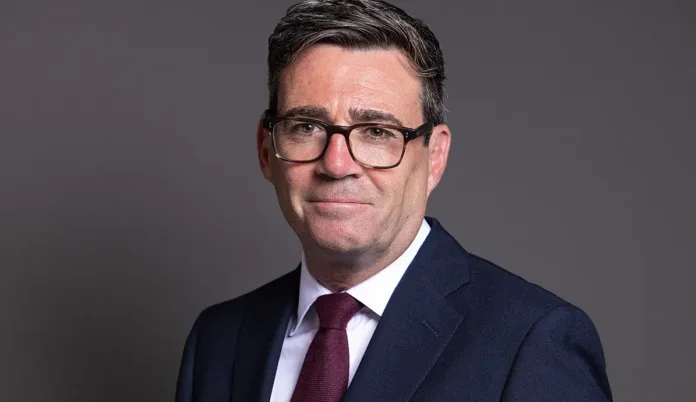


Burnham says subscription and pricing reforms will give families room to breathe
Andy Burnham is bringing forward a ban on so-called subscription traps as part of a wider push to ease pressure on household budgets.
The prime minister said consumers would benefit from changes designed to make it easier to cancel unwanted subscriptions and stop people being rolled onto expensive contracts without properly realising it.
The subscription trap ban was first announced under Burnham’s predecessor, Sir Keir Starmer, but is now being accelerated by the new government. The measures had been expected next spring, but Burnham has promised they will now be in place by January 2027.
The plans are part of what Burnham has called a series of “everyday fixes” to help people deal with the high cost of living. He said he was determined to use every available lever to give families more “room to breathe”.
The changes are aimed at companies that make subscriptions easy to start but difficult to leave. Many consumers sign up for services online, only to find the cancellation process confusing, slow or deliberately hidden behind extra steps.
Under the planned reforms, businesses will have to make it clearer when customers are entering a subscription and easier for them to cancel when they no longer want the service.
Embed from Getty Images
When the proposals were announced in April, the government said they could save consumers £400m a year in total, or up to £170 per person.
Burnham is also planning a crackdown on what he called “pretend prices”. This would target retailers that use fake “was” prices, made-up discounts or misleading recommended retail prices to make deals look better than they really are.
The government will launch a consultation this autumn on how those pricing rules should work.
The move has been welcomed by consumer group Which?, which said it had repeatedly exposed businesses, including trusted household brands, offering deals that were not what they seemed.
Sue Davies, the group’s head of consumer rights policy, welcomed the announcement and urged ministers to bring the rules in quickly.
The government says the measures will help shoppers make clearer choices and avoid being trapped in payments they no longer want or misled by discounts that are not genuine.
But the Conservatives have criticised the announcement. Shadow chancellor Mel Stride described the plans as “reheated” and said Burnham had already run out of ideas.
Stride argued that the cost of living had not suddenly become a problem and questioned why Labour had taken so long to act on legislation passed under the previous government.
The Digital Markets, Competition and Consumer Act, passed under the Conservatives in 2024, already included action on hidden fees, fake online reviews and easier subscription cancellations.
Burnham’s announcement is his latest attempt to show his government is focused on immediate household pressures. It follows other cost-of-living measures, including a £2 bus fare cap in England and a VAT cut on household electricity bills.
However, the prime minister is still likely to face pressure for bigger action in the Budget, which Chancellor John Healey will deliver on 28 October.
Healey has already said he will maintain “strong fiscal discipline”, limiting how much extra money the government has available to spend.
That makes smaller consumer reforms politically important for Burnham. They may not transform household finances on their own, but they allow the government to argue it is tackling everyday frustrations that leave people feeling squeezed.
For consumers, the promise is simple: fewer unwanted renewals, easier cancellations and less misleading pricing on the high street and online.