
.jpg)

Britain’s streets and screens are once again carrying a familiar tension. A wave of anti-Muslim protest activity — from large-scale demonstrations in London to combustible exchanges across social media — has pushed anti-Muslim sentiment to the front of national debate, reviving fears about social division, fractured community relations, and political extremism.
The numbers give those fears weight. Home Office figures show that religious hate crimes targeting Muslims still account for a substantial share of faith-based offences recorded in England and Wales. Police forces, meanwhile, have repeatedly tightened security around major London demonstrations, wary of clashes between rival groups.
Some read these protests as spontaneous outpourings of public frustration. Others see something more deliberate taking shape beneath the surface. Either way, one question cuts through the noise: who benefits when fear, division, and hostility set the terms of national debate?
The rise of anti-Muslim protests across Britain
Recent years have seen a growing number of demonstrations linked to immigration concerns, national identity debates, and cultural tensions.
Events described by critics as an anti-Muslim protest in UK cities have often attracted a mix of participants. Some attend because of concerns about immigration policy, while others are motivated by broader grievances relating to housing, public services, crime, or economic pressures.
The result is a complex environment where genuine concerns can become intertwined with anti-Muslim rhetoric, conspiracy theories, and misinformation.
Why these demonstrations matter
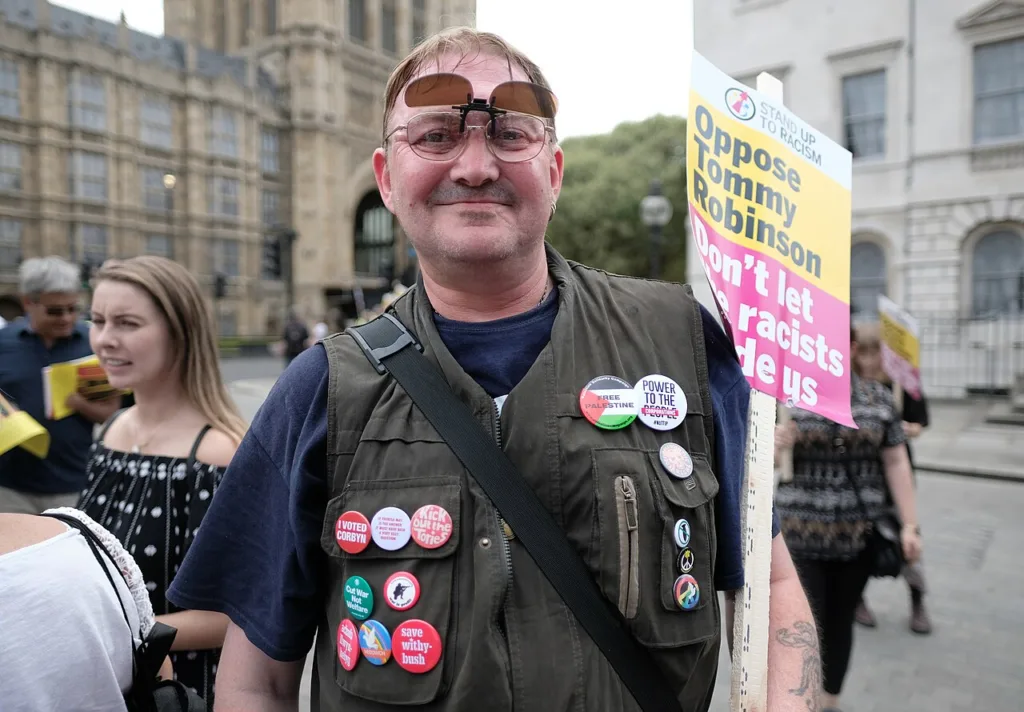
Public demonstrations are a legitimate part of a democratic society. However, tensions rise when protests focus on religious communities or create an atmosphere of hostility towards specific groups.
Concerns often emerge when:
- Religious communities feel targeted.
- Hate crime incidents increase after demonstrations.
- Online misinformation spreads rapidly.
- Community trust begins to deteriorate.
- Political debates become increasingly polarised.
The political value of public anger
One of the most overlooked aspects of any UK anti-Muslim protest movement is its political value.
Throughout history, political movements have often benefited from identifying a clear target for public frustration. Economic uncertainty, housing shortages, pressure on public services, and concerns about national identity can all create fertile ground for divisive narratives.
When complex societal challenges are reduced to a single cause or community, political messaging becomes easier to communicate.
How fear becomes a political tool
Fear is one of the most powerful forces in politics.
Political actors from across the ideological spectrum can benefit from heightened tensions by:
- Mobilising supporters.
- Increasing media attention.
- Driving donations and memberships.
- Strengthening campaign messaging.
- Creating clear “us versus them” narratives.
This does not mean every politician intentionally promotes division. However, emotionally charged issues often generate more engagement than nuanced discussions about policy solutions.
Social media’s role in amplifying anger
Social media platforms have dramatically changed how protests develop and spread.
Many of the videos, claims, and narratives that fuel outrage can reach millions of people before they are properly verified. Algorithms are designed to prioritise engagement, and content that triggers anger often performs exceptionally well.
As a result, stories connected to an anti-Muslim protest can rapidly gain traction, regardless of whether the information being shared is accurate or misleading.
The online incentive structure
A growing ecosystem of influencers, commentators, and activists now operates within a digital attention economy.
Some benefit from:
- Increased followers.
- Advertising revenue.
- Subscription income.
- Political influence.
- Media exposure.
The more controversial the content becomes, the more visibility it often receives.
The influence of high-profile activists
The debate surrounding figures associated with the Tommy Robinson march movement highlights how individuals can become central symbols within wider cultural conflicts.
Supporters often view such figures as defenders of free speech and national identity.
Critics argue that their rhetoric contributes to anti-Muslim hostility and social division.
Regardless of where individuals stand politically, high-profile activists frequently gain influence when public tensions increase. Large-scale events such as a far-right march london demonstration often generate substantial media coverage, further increasing their visibility.
The media’s complicated relationship with conflict
News organisations also operate within a competitive attention economy.
Stories involving protests, controversy, and confrontation naturally attract audiences. Coverage of demonstrations in London, clashes between groups, and heated political disputes often receives significantly more engagement than stories about successful community integration.
This creates a difficult balancing act.
Journalists have a responsibility to report important events. At the same time, constant exposure to conflict can contribute to public perceptions that tensions are more widespread than they actually are.
Who pays the price?
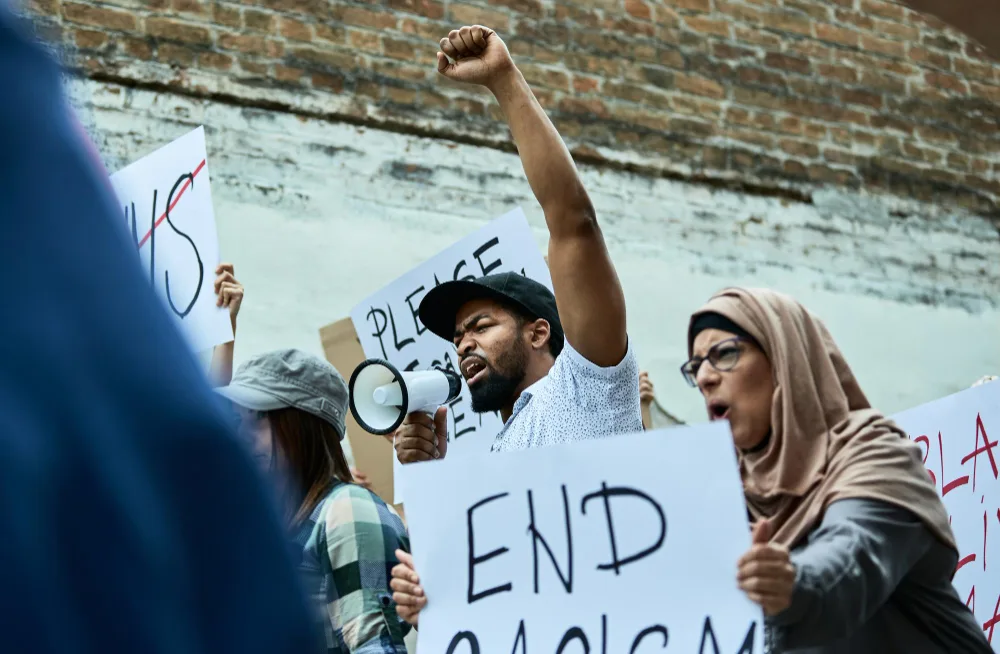
While some individuals and organisations may gain influence, attention, or political capital, local communities often bear the consequences.
Following highly publicised protests, community leaders frequently report:
- Increased fear among minority groups.
- Greater mistrust between communities.
- Higher tensions in schools and workplaces.
- Increased pressure on police resources.
- More reports of hate incidents.
These effects can be felt long after the headlines disappear.
Could Britain face more demonstrations?
Questions about upcoming protests in London, future Manchester march events, and potential London protest Tommy Robinson gatherings continue to circulate online.
Authorities remain alert to the possibility of further demonstrations, particularly when major political events, international conflicts, or controversial news stories dominate public discussion.
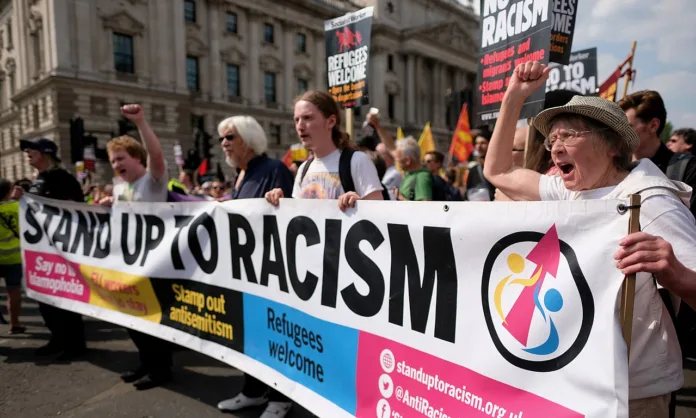
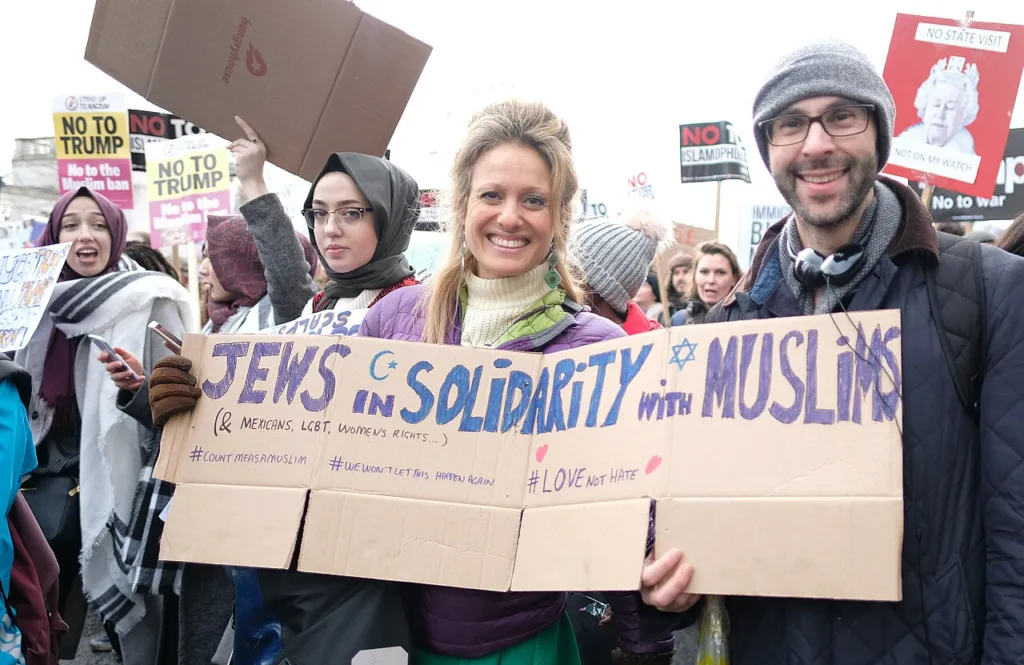
At the same time, counter-protests such as a London muslim march or anti-racism demonstration are increasingly common, reflecting the deep divisions that now characterise parts of Britain’s political landscape.
Beyond the headlines
The most important question may not be whether another anti-Muslim protest takes place.
Instead, the real issue is understanding why these tensions continue to emerge and who benefits when they do.
The answer is rarely simple. Political actors may gain support. Influencers may gain followers. Activists may gain visibility. Media organisations may gain audiences.
Yet the wider public often inherits the consequences: increased division, reduced trust, and a political environment driven more by fear than solutions.
The bigger question Britain must confront
Britain has faced periods of social tension before, and it has repeatedly demonstrated an ability to navigate difficult debates without abandoning its democratic values.
However, as discussions surrounding immigration, religion, identity, and integration continue to intensify, understanding the forces shaping public opinion becomes increasingly important.
Whether the next flashpoint emerges from London, Manchester, or online spaces, one fact remains clear: when anti-Muslim anger becomes a political commodity, everyone should pay close attention to who is benefiting, and at whose expense.