


US strikes hit Iran after a missile attack on American forces shattered the brief calm
The United States says it has launched a heavy wave of strikes on Iran after Tehran attempted to hit American forces with ballistic missiles, ending a brief pause in a conflict that had only just shown signs of calming.
US Central Command said it struck dozens of Islamic Revolutionary Guard Corps targets after Iran fired missiles towards US bases in Jordan and ships in the Strait of Hormuz. Centcom said all Iranian missiles were intercepted.
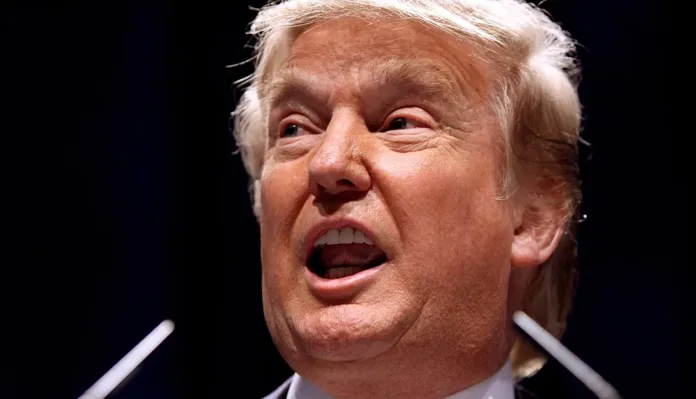
The Iran missile attack marked another sharp escalation in a war that President Donald Trump once said would last only a few weeks. Five months later, the conflict has widened across the region, drawing in Iraq, Saudi Arabia, Jordan and the vital Gulf shipping lanes.
Iranian state media said the US attacks killed three people on Qeshm island, including a two-year-old child. It also reported strikes in other areas of southern and western Iran. Qeshm and Abadan, both important to Iran’s oil industry, were among the locations reported to have been hit.
The renewed fighting follows several days of relative calm. For a short period, both sides had paused attacks while possible talks appeared to restart. Trump described the discussions as “very friendly negotiations”, although Tehran denied that talks were taking place.
That pause collapsed after Iran launched missiles at a US base in Jordan on Tuesday. Trump quickly promised retaliation, telling reporters at the White House that the US would hit Iran “very hard”.
Centcom described the new operation as a powerful response to Iran’s attempted attacks on American forces in the Middle East. It said US forces targeted military command centres, missile and drone facilities, coastal surveillance and defence sites, and maritime capabilities.
Jordan also said its air defence systems had shot down five Iranian missiles targeting its territory. The Iranian Revolutionary Guard said it had launched the attack in response to what it called American aggression.
The IRGC also claimed its naval forces had struck three oil tankers in the Strait of Hormuz after they ignored warnings and travelled through what it described as an unsafe route. The waterway remains one of the world’s most sensitive energy corridors, and any disruption there risks pushing oil prices higher.
The conflict had already expanded earlier this week when the US and Saudi Arabia carried out publicly announced joint strikes on Iran-linked groups in Iraq. Centcom said those strikes hit logistics and weapons sites after more than 30 drone attacks over 72 hours.
Iraq’s Popular Mobilisation Forces, a paramilitary network dominated by Iran-backed Shia militias, said at least 20 of its members were killed in the US-Saudi strikes. Iraq’s presidency condemned the bombing, calling it a violation of the country’s sovereignty.
Trump, however, told Fox News that the strikes had been co-ordinated with the Iraqi government.
Saudi Arabia has also accused Iran-affiliated militia groups in Iraq of launching drones at petroleum facilities in its eastern region. Riyadh says those drones were intercepted and destroyed before they could hit their targets.
The latest escalation comes amid reports that Saudi defence minister Prince Khalid bin Salman told Trump that Saudi Arabia wants tensions to ease. But the military picture is moving in the opposite direction.
What began as a US-Israeli campaign against Iran in February has become a grinding regional conflict with no clear end. The temporary lull has vanished. Missiles are flying again, oil sites are under threat, and Washington says it is ready to respond if Iran or its allies continue their attacks.