
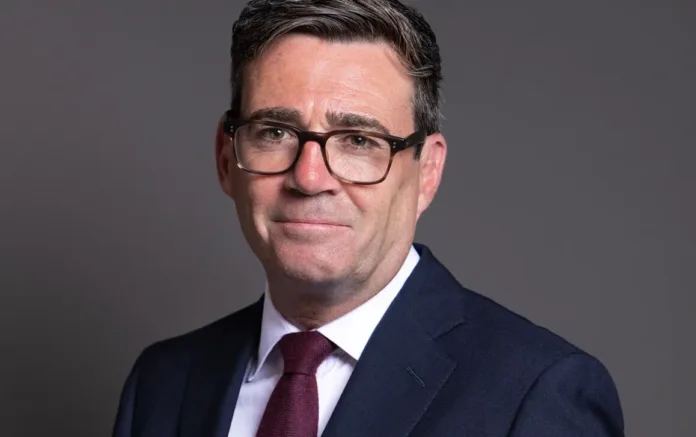


Andy Burnham says Britain must cut welfare costs as he warns the NHS could collapse
Andy Burnham has signalled a tougher approach to benefits as he warned that Britain must “get serious” about cutting the welfare bill.
In his first major interview since entering Downing Street, the new prime minister said the cost of welfare had to come down and suggested some support could become more conditional. His comments are likely to alarm Labour MPs who helped clear the path for him to replace Sir Keir Starmer.
Speaking to Laura Kuenssberg for BBC Panorama, Mr Burnham said the country needed to look directly at welfare spending rather than avoid the issue. He made clear that ministers would examine how support is offered, including help linked to mental health.
The shift does not mean an immediate blame campaign against claimants. Mr Burnham tried to distance himself from that approach. He said many young people in the benefits system had been badly let down because the right support had not been available when they needed it.
But he also suggested the government could attach stronger conditions to some benefits. That could mean people being expected to take opportunities offered to them, rather than remaining outside work.
His argument is that support should move closer to employment, especially where mental health issues are involved. Instead of leaving people at home and disconnected from the labour market, he wants help to be provided in work, alongside opportunities.
Embed from Getty Images
The comments place Mr Burnham on dangerous political ground. Welfare reform damaged Sir Keir Starmer’s authority after he was forced to retreat from plans to cut billions from the benefits bill following a major rebellion by Labour MPs.
Many of those on the Labour left who opposed Sir Keir’s welfare plans later supported Mr Burnham’s rise. MPs such as Richard Burgon, Rachael Maskell, Clive Lewis and Kim Johnson were among those seen as sympathetic to his leadership. Any move to tighten benefit rules could now test that support.
Mr Burnham’s decision to keep Pat McFadden as work and pensions secretary also sent a message. While 11 other cabinet ministers were removed, Mr McFadden stayed in place, suggesting welfare reform remains high on the new government’s agenda.
The issue is made harder by tight public finances. Mr Burnham is already facing demands over defence spending, public services and economic pressure. He has said he will not call an early election, meaning he intends to govern without first seeking a new mandate from voters.
At the same time, the prime minister is trying to present himself as different from his predecessor. He has insisted that welfare reform should not be about punishing people. Instead, he argues that the system must offer real help earlier, particularly to young adults who have slipped out of work, training or education.
The interview also showed that social care will be one of his biggest tests. Mr Burnham warned that the NHS could collapse unless the care system is fixed. He said hospitals are being forced to look after people who should not have ended up in the NHS system in the first place.
That warning reflects a crisis that has defeated successive governments. Mr Burnham first pushed for a universal social care system in England when he served as health secretary under Gordon Brown in 2009. The idea collapsed after fierce political rows, including Conservative attacks over what they called a “death tax”.
Now, as prime minister, he says he is ready to spend political capital on the issue. But when asked whether a new system would be in place before the next election, he would not give a firm timeline.
That leaves Mr Burnham facing two explosive battles at once: cutting welfare spending without alienating his own party, and fixing social care before the NHS buckles further under pressure.