
.jpg)

Britain eases parts of its Russia oil sanctions regime as supply fears and prices climb
The UK government has loosened parts of its sanctions regime targeting Russian oil as rising fuel costs and mounting supply fears place growing pressure on global energy markets.
The move, which takes effect on Wednesday, marks a significant shift in Britain’s sanctions policy and comes against the backdrop of disruption linked to the US-Israel conflict with Iran and the effective blockade of the Strait of Hormuz.
Officials insist the broader sanctions framework against Russia has strengthened. Yet ministers have introduced new exemptions they say are necessary to protect fuel supplies and market stability.
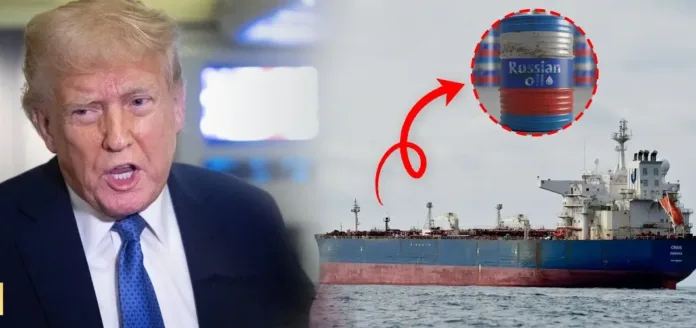
At the centre of the change lies processed Russian oil.
Britain had previously banned imports of diesel and jet fuel refined from Russian crude in third countries. That restriction, introduced in October, aimed to prevent Russian energy products from entering the UK indirectly through overseas refining hubs.
The revised policy eases those rules.
The change effectively reopens the door to certain refined fuel imports from countries such as India, previously an important supplier of jet fuel to Britain and Europe. Turkey, another major refining centre for Russian crude, could also be affected by the new approach.
The waiver comes as aviation fuel markets remain under intense strain.
Jet fuel prices across Europe surged after conflict erupted involving Iran, Israel and the United States. Although prices have eased from their sharpest spikes, they remain substantially above earlier levels. Airlines operating in Britain and internationally have already responded by cancelling flights and increasing fares as fuel costs bite deeper into operations.
Motorists are also feeling the pressure.
According to the RAC, average UK unleaded petrol prices climbed to 152.52 pence per litre on Monday — the highest level recorded since the outbreak of the current conflict.
Alongside the oil changes, Britain also relaxed some restrictions involving Russian liquefied natural gas.
The government issued a temporary licence covering maritime transportation of Russian LNG and related services. That measure will remain in force until 1 January. Ministers maintain that wider restrictions on Russian LNG remain intact and that Britain continues tightening pressure on Moscow’s energy sector.
The decision lands at a politically delicate moment.
For years, the UK positioned itself among the strongest advocates of economic action against Russia over the war in Ukraine. Only days ago, Britain joined fellow G7 nations in reaffirming what leaders described as an “unwavering commitment” to impose severe costs on Moscow.
Critics argue the new flexibilities undermine that message.
A similar sanctions waiver introduced by the United States earlier this year triggered backlash from allies and Ukraine supporters, who warned that easing restrictions risks strengthening Russia’s wartime finances.
French President Emmanuel Macron argued that disruption in the Strait of Hormuz did not justify relaxing Russia sanctions. Ukrainian President Volodymyr Zelensky issued an even sharper warning, saying every payment for Russian oil contributes to Moscow’s war effort.
Despite the criticism, British ministers have avoided direct confrontation with Washington over its earlier decision.
The UK government defended its own changes on Tuesday, pointing to what it described as a wider package of strengthened sanctions.
Officials highlighted additional export and import bans targeting Russia, including tighter restrictions involving Russian uranium and expanded prohibitions on refined oil products.
A government spokesperson said Britain remained committed to degrading Russia’s ability to wage war in Ukraine while protecting essential supply chains and preserving energy market stability.
The new waiver on processed Russian oil will run for an indefinite period, though officials said it will undergo periodic reviews and could be amended or withdrawn.
For now, Britain faces an increasingly difficult balancing act: maintaining pressure on Russia while confronting the economic realities of disrupted fuel supplies, volatile markets and escalating energy costs.