
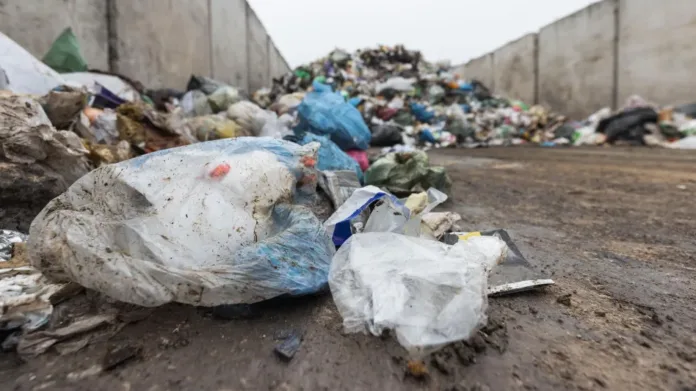

Ministers unveil sweeping reforms aimed at crushing illegal waste gangs across Britain
The government has announced a sweeping crackdown on waste crime, introducing tougher punishments and stricter checks designed to drive rogue operators out of the industry for good.
Under new reforms unveiled on 18 May 2026, waste handlers across England will soon face far more rigorous scrutiny before they are allowed to transport rubbish. The move comes amid growing concern over fly-tipping, illegal dumping, and criminal operators exploiting weaknesses in the current system.
At the centre of the reforms is a major overhaul of the existing registration scheme for waste carriers. Officials say the current process is outdated and too easy to abuse, allowing individuals with poor records to continue operating while leaving communities to deal with mountains of illegally dumped waste.
From 2027, the simple registration model will be replaced with a stricter permit-based system. Waste operators will have to pass identity checks, criminal record screening, and technical competence tests before they can legally handle or transport waste.
The government says the changes are part of its wider Waste Crime Action Plan, which aims to shut down illegal waste sites and stop organised criminals from profiting through environmental offences.
Embed from Getty Images
One of the most dramatic changes involves punishment. Under the new legislation, people caught illegally transporting or dealing with waste could face prison sentences of up to five years. Officials believe the tougher penalties will send a clear warning to offenders who have treated fines and weak enforcement as little more than a business risk.
Waste Minister Mary Creagh accused “waste cowboys” of exploiting loopholes for years while damaging both urban areas and the countryside.
She said the government was introducing “rigorous background checks” to remove corrupt operators from the sector permanently. She also warned that tougher sentencing powers would mean offenders now risk years behind bars.
The Environment Agency will also gain stronger enforcement powers under the reforms. Officials will be able to revoke permits more quickly and issue enforcement notices against suspicious operators.
Philip Duffy said waste crime had become increasingly sophisticated, but insisted regulators were adapting their tactics in response.
He warned that illegal dumping harms communities and the environment, adding that the public still plays a vital role in identifying suspicious activity.
Another significant change will force licensed operators to display permit numbers clearly in advertisements and on company vans. Ministers believe this will make it far easier for households to identify legitimate traders and report suspected illegal operators.
The government hopes the reforms will reassure people paying for rubbish collection services that their waste will not end up dumped on roadsides or hidden in rural areas days later.
The measures also build on recent government announcements surrounding a new digital waste tracking system and wider legislative changes linked to fly-tipping offences.
Independent charity Crimestoppers welcomed the tougher stance, warning that waste crime often fuels broader criminal activity while damaging local communities.
Meanwhile, the Chartered Institution of Wastes Management described the reforms as a “strong and practical” step that industry professionals had long demanded.
Authorities are continuing to urge members of the public to report suspected fly-tipping and illegal waste operations anonymously through Crimestoppers.