
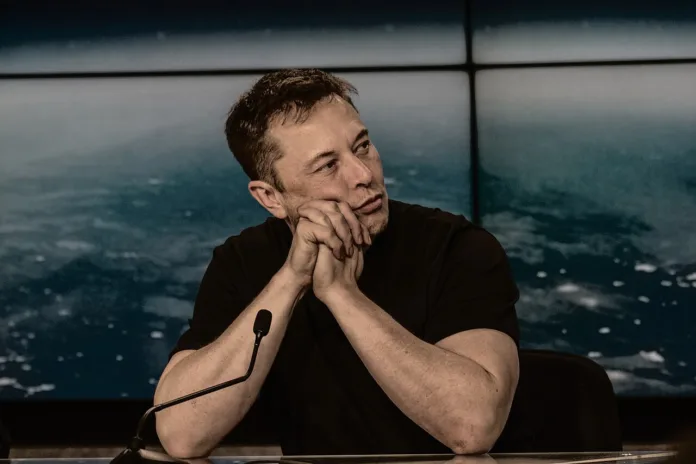


Elon Musk fatigue is no longer a niche internet mood. It is now a measurable commercial, political and reputational problem. Tesla’s UK registrations fell more than 29% year-on-year in December 2025, while annual UK sales dropped 8.9%, even as Britain’s wider car market grew. In Europe, Tesla’s decline has become harder to ignore, driven by stronger rivals, brand exhaustion and growing political discomfort around the man at the centre of it all.
For years, Musk sold something more valuable than cars, rockets or software. He sold inevitability. He was not just a businessman. He was a spectacle, a myth and, for many investors, a one-man future machine.
That mythology is beginning to crack.
The problem is not that Elon Musk has become less visible. It is that he has become impossible to escape. And in modern media, overexposure is rarely a sign of power. More often, it is the first sign of decline.
The brand was built on noise
Elon Musk understood earlier than most that attention is not a by-product of power. It is power.
He built his empire in public. Tesla was not sold like a car company. SpaceX was not sold like an aerospace firm. Musk turned each venture into a live narrative, with himself as the central character. Investors were not just buying into products. They were buying into Musk’s ability to dominate the conversation.
For a while, that model worked brilliantly.
He did not need traditional PR because he was the PR machine. A product launch became an event. A tweet became market news. A feud became global coverage. Musk mastered the modern attention economy long before most CEOs understood it existed.
But attention is only useful while it creates belief. Once it starts creating fatigue, the same machine turns on itself.
When visibility becomes a liability

The core problem facing Musk is simple: he is now too present, too political and too predictable.
His constant posting on X, once seen as a chaotic genius, increasingly reads like compulsive overexposure. A Washington Post analysis found that roughly 6% of Musk’s recent posts focused on race, many of them controversial enough to alienate former supporters and unsettle investors. That is not just a personal branding issue. It is a corporate one.
Tesla is no longer judged purely on vehicles, margins or innovation. It is judged through Musk’s behaviour.
That is the shift. And it matters.
Consumers may tolerate eccentricity. Markets may even reward it. But both become less forgiving when spectacle starts to erode trust.
Tesla is feeling the cost
This is where Elon Musk fatigue stops being cultural and starts becoming financial.
Tesla’s weakening performance is no longer easy to dismiss as a temporary dip. UK registrations dropped sharply. European sales have struggled. Chinese competitors have become more aggressive. Tesla’s once-unassailable dominance in EVs has started to look far less secure.
There are commercial reasons for that decline, of course:
- a maturing EV market
- stronger competition from BYD and others
- an ageing Tesla line-up
- slowing consumer excitement
But Musk himself has become part of the drag.
That is the difference. The founder who once added value to the brand is now increasingly perceived as subtracting from it.
When customers start buying anti-Musk bumper stickers for their Teslas, the problem is no longer theoretical. It is reputational leakage made visible.
The attention economy has turned
Musk’s real asset was never just capital. It was narrative control.
He could dominate headlines, shape investor sentiment and bend public attention in real time. But the modern attention economy is brutal. It rewards novelty, punishes repetition and eventually turns even the loudest figure into background noise.
That is where Musk now finds himself.
The provocations still land. The headlines still come. But the effect is weaker. The outrage is less energising. The mystique is thinner. What once looked disruptive now often looks repetitive.
This is the real meaning of Elon Musk fatigue. It is not just that people are tired of him. It is because his methods are producing diminishing returns.
That matters more than any scandal.
Even the empire looks less cohesive
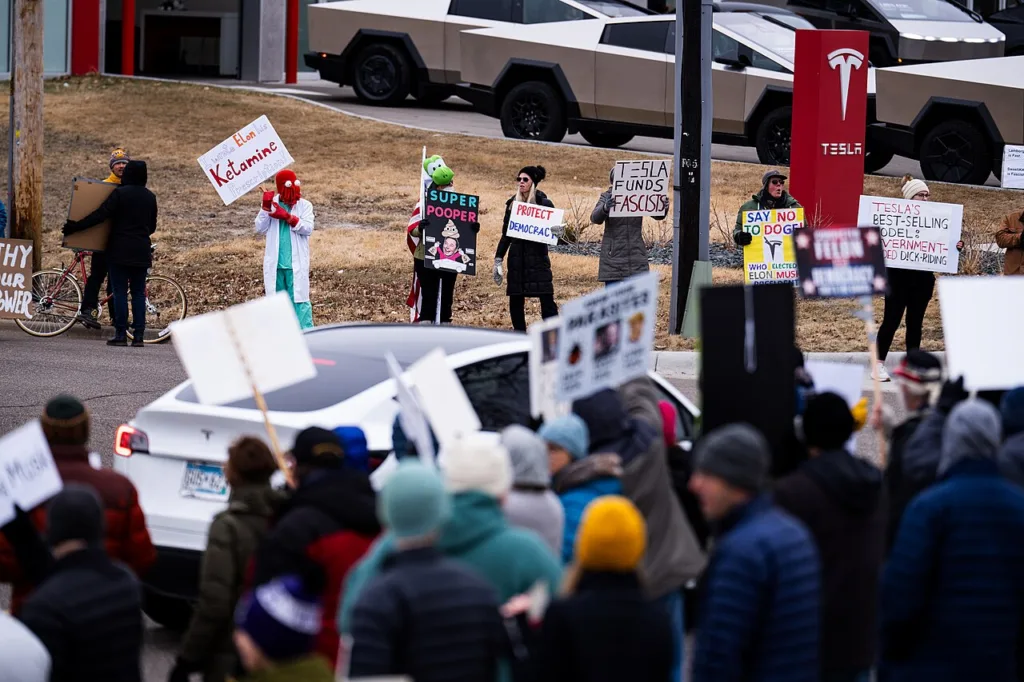
Musk’s businesses still command scale, influence and extraordinary capital. But they no longer project the same sense of coherence.
Tesla is pivoting harder into AI and robotics while its core car business softens. Reuters reported that Tesla increased its 2026 spending plans by 25%, even as its automotive fundamentals remain under pressure. The robotaxi promises remain ambitious, but even Musk has adopted a more cautious tone on rollout timelines.
That caution matters because Musk’s authority has always relied on certainty.
His power came not just from being bold, but from sounding inevitable. Once that certainty slips, the mythology weakens with it.
Even his legal battle with OpenAI reflects the same pattern. What began as a dispute over principle now looks, to many, like a struggle over control, relevance and legacy.
The problem is no longer backlash
Musk has survived a scandal before. He has survived lawsuits, advertiser revolts, political criticism and repeated public controversy.
Backlash is not new. Backlash has, in many ways, become part of the brand.
The real threat is subtler than outrage. It is erosion.
Not collapse. Not a scandal. Not a sudden downfall.
Just the slow weakening of influence.
That is how powerful figures actually lose their grip. Not when people rage at them, but when fewer people are persuaded by them.
Why Elon Musk fatigue matters now
This is why Elon Musk fatigue matters beyond Musk himself.
He is the clearest test case for what happens when a modern billionaire becomes too visible to remain persuasive. His empire was built on scale, disruption and media dominance. But visibility without discipline has a shelf life.
Musk is still rich. Still powerful. Still globally unavoidable.
But power is not just about being seen. It is about being believed.
And that is where the world’s loudest billionaire looks weaker than he has in years.