

UK inflation jumps as the Iran conflict fuels a sharp rise in fuel and food prices, experts warn
UK inflation surged to 3.3% in March, as the escalating conflict in Iran sparked a sharp increase in fuel prices, marking the first clear evidence of the war’s impact on British consumer prices. The latest data from the Office for National Statistics (ONS) revealed that inflation had risen from 3% in February, driven largely by rising energy costs and an increase in food prices.
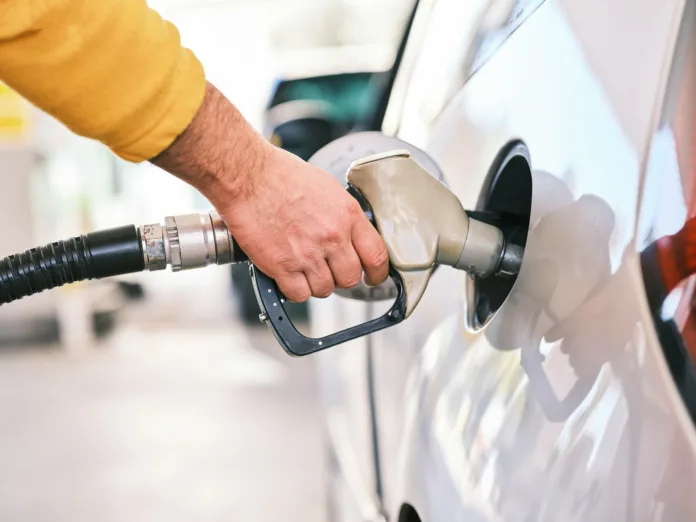
Economists had predicted the rise, but the scale of the jump has highlighted the significant strain that global energy disruptions, exacerbated by the Iran war, are placing on the UK economy. Fuel prices saw their largest increase in over three years, with petrol and diesel prices climbing sharply. The surge in crude oil prices, which crossed the $100 per barrel threshold, contributed significantly to the spike, following a surge in liquid natural gas (LNG) prices that had climbed by 50% due to the conflict.
Grant Fitzner, the ONS chief economist, explained that airfares and food prices were also key contributors to the inflationary pressures felt across the country. “The only significant offset came from clothing costs, where prices rose by less than this time last year,” he added.
Embed from Getty Images
The impact of the Iran war is being felt keenly in the UK, a net importer of energy. With crude oil and petrol prices rising significantly, businesses and consumers are grappling with the costs of everything from heating oil to basic groceries. Sanjay Raja, chief UK economist at Deutsche Bank, warned that “pump prices and heating oil prices are likely to see a big increase to end the quarter.”
As the war in Iran continues, economists predict that inflation could accelerate further, with projections suggesting that the headline rate could surpass 4% by autumn. This is despite slower economic demand, as the war continues to disrupt global supply chains and put upward pressure on energy and food prices.
This surge in inflation comes at a challenging time for the Bank of England, which had previously expected to cut interest rates as inflation cooled to its 2% target. However, with energy prices rising sharply, the central bank is now faced with the dilemma of whether to raise interest rates to combat inflation, despite the potential risk of exacerbating “stagflation” – a situation where economic growth stagnates while inflation and unemployment rise.
Currently, the majority of economists expect the Bank of England to keep rates unchanged for the remainder of the year, opting to “look through” the inflation spike caused by external factors such as the conflict in the Middle East. However, this strategy could be tested if inflationary pressures continue to build.
As the situation in Iran evolves, with President Donald Trump extending a fragile ceasefire, all eyes are on the next phase of peace talks. However, with a second round of negotiations scheduled for this week in Pakistan now on hold, there is uncertainty about the potential for a lasting resolution.
Suren Thiru, ICAEW’s chief economist, commented that while the latest inflation data is uncomfortable for policymakers, the weakening economy may provide them with the flexibility to hold interest rates steady. “The looming downward pressure on prices from a weakening economy should give rate-setters enough latitude to look through this period of intensifying inflation and keep rates on hold,” he said.
For the UK, the war in Iran represents not only a geopolitical crisis but also an economic one, as rising energy and food prices continue to put pressure on households and businesses alike. The coming months will likely bring more economic challenges, with inflation expected to remain a key concern for both policymakers and consumers.