
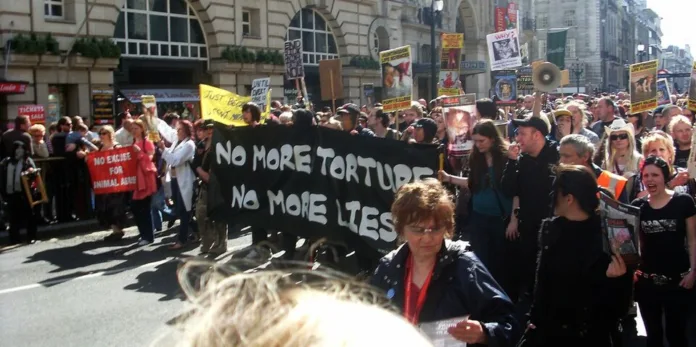

The issue of makeup brands testing on animals remains one of the most misunderstood topics in the UK beauty industry.
While the UK banned animal testing for cosmetic products and ingredients as far back as 1998, millions of consumers still question whether the brands they use daily are truly cruelty-free. And it’s not hard to see why, globally, animal testing is still happening on a massive scale, with around 192 million animals used in experiments.
This creates a clear contradiction. On paper, the UK presents itself as a leader in banning cosmetic animal testing. Yet, many well-known brands sold on UK shelves are still linked to animal testing practices elsewhere.
So what’s really going on behind the labels, and can you actually trust the brands you use?
Is animal testing for cosmetics legal in the UK?
The legal position is often where confusion begins.
What the law says:
- Animal testing for cosmetic products is banned in the UK
- It is illegal to test finished cosmetic products on animals
- It is also illegal to test cosmetic ingredients specifically for cosmetics
However, there are important exceptions.
Where it gets complicated:
- Brands selling in countries like China may still be required to allow animal testing
- Ingredients used in cosmetics may be tested under chemical safety regulations
- Parent companies may fund or permit animal testing outside the UK
This is where many makeup brands testing on animals still operate in a grey area.
Why are brands still linked to animal testing?
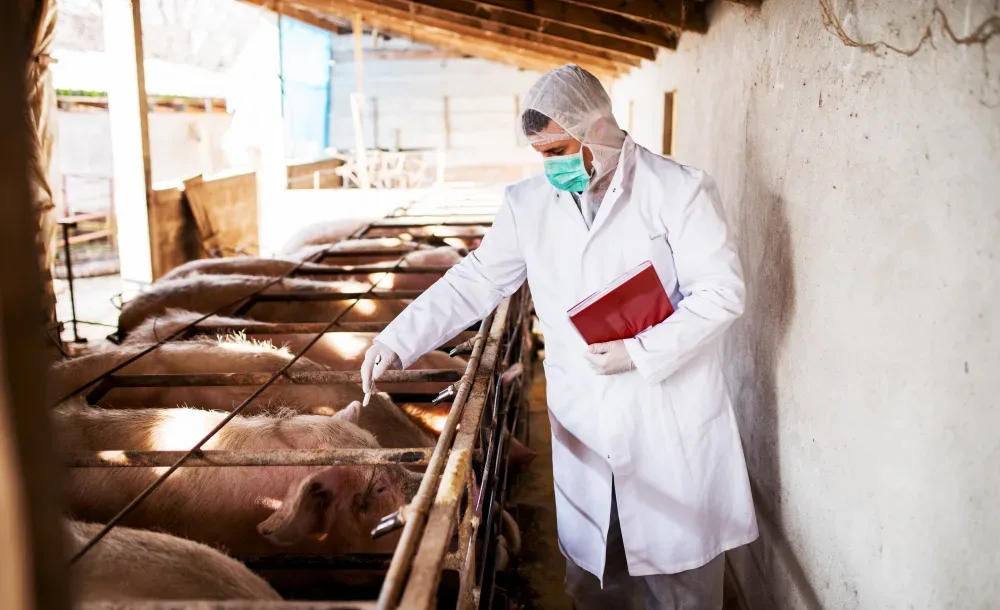
Despite strict UK laws, many global beauty companies operate internationally. This creates a loophole that allows them to maintain a “cruelty-free” image locally while complying with different rules abroad.
Key reasons include:
- Regulatory requirements in other countries
- Global supply chains using tested ingredients
- Parent companies that conduct animal testing
In simple terms, a brand can avoid testing in the UK but still be connected to it globally.
Which brands are often questioned?
Search data clearly shows what people want to know: Does this specific brand test on animals?
Here are some of the most commonly searched queries:
Popular brand questions:
- Does Lancôme test on animals
- Does Aveeno do animal testing
- Does Vaseline test on animals
- Does No7 test on animals
- Does Oral-B test on animals
- Does Colgate test on animals
- Does Cetaphil test on animals
- Does La Roche-Posay test on animals
- Does Clinique test on animals
These brands are often discussed because they:
- Operate globally
- Sell in markets with different testing laws
- Have complex ownership structures
This is why the topic of brands that test on animals continues to trend.
Cruelty-free vs reality: What do labels actually mean?
One of the biggest misconceptions is the term “cruelty-free.”
What consumers assume:
- No animals are used anywhere in the process
What it often means:
- The final product was not tested on animals
- The brand itself may not conduct testing directly
What it doesn’t guarantee:
- Those ingredients weren’t tested by third parties
- The parent company doesn’t test on animals
- The brand avoids markets requiring testing
This is why many consumers question whether makeup brands that don’t test on animals are truly ethical.
The reality of makeup brands testing on animals
At this point, the debate around makeup brands testing on animals becomes less about simple answers and more about transparency.
Consumers are no longer just asking, is this product cruelty-free?
They’re asking, what’s happening behind the scenes?
And that’s where the real issue lies, not just in the testing itself, but in how clearly brands communicate their practices.
Are there truly cruelty-free brands?
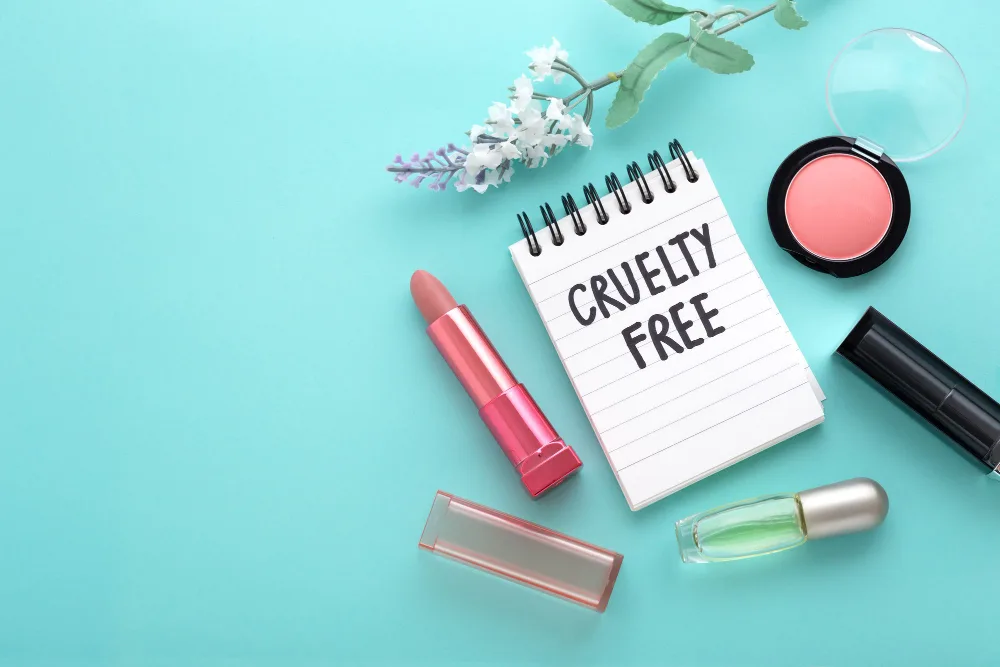
Yes, but with conditions.
Fully cruelty-free brands typically:
- Do not test on animals at any stage
- Do not sell in countries requiring animal testing
- Avoid parent companies involved in testing
Examples of what to look for:
- Independent cruelty-free certifications
- Clear company policies
- Transparency about supply chains
However, even here, consumers should remain cautious.
Why animal testing still exists
To understand the full picture, it’s important to look at why animal testing hasn’t disappeared entirely.
Key reasons:
- Safety testing requirements for chemicals
- Lack of universal global regulations
- Scientific limitations in some testing areas
While alternatives exist, such as lab-grown tissues and computer modelling, they are not yet universally adopted.
Alternatives to cosmetic testing on animals
The industry is slowly evolving.
Modern alternatives include:
- In-vitro testing, human cell cultures
- Computer-based simulations
- Artificial skin models
These methods are gaining traction and are seen as the future of ethical testing.
What this means for UK consumers
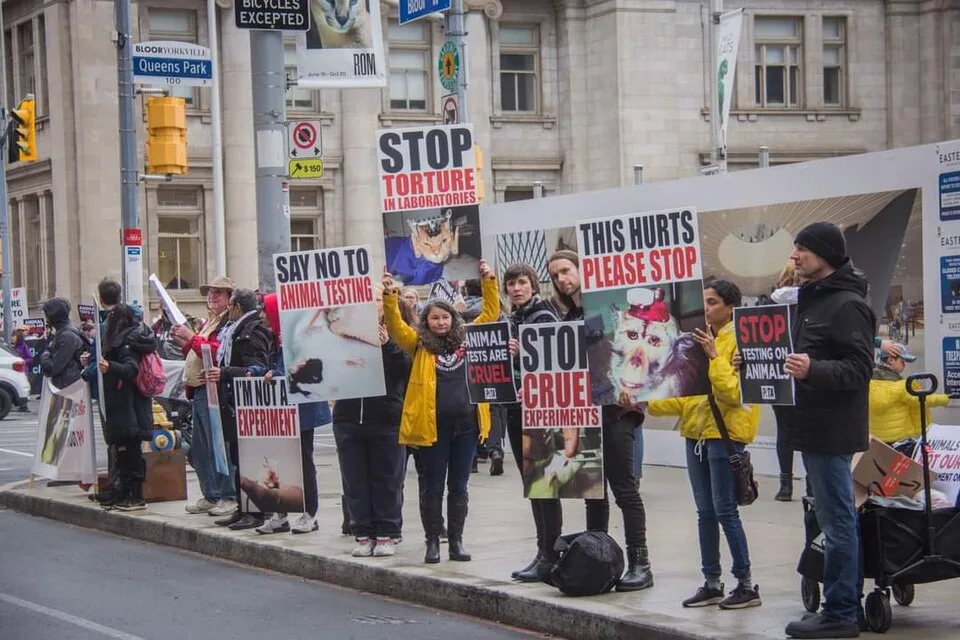
For UK consumers, the reality is clear: even with strong laws, makeup brands testing on animals remain part of the global system.
What you can do:
- Check cruelty-free certifications
- Research brand ownership
- Look beyond marketing claims
- Stay informed about global practices
Awareness is key, not assumptions.
The bigger question: Is the UK truly cruelty-free?
The UK has taken significant steps in banning cosmetic animal testing. However, due to global trade and regulatory differences, the system is far from perfect.
This creates a situation where:
- Products appear ethical locally
- But it may be linked to practices elsewhere
The truth about makeup brands testing on animals
The conversation around makeup brands testing on animals is no longer just about right or wrong. It is about transparency, global responsibility, and informed choice.
Consumers today are more aware than ever, and they are asking harder questions. Not just about what brands say, but about what they actually do.
And perhaps that’s the real shift. Because the future of this issue will not be decided by regulations alone, but by how much people are willing to look beyond the label.