
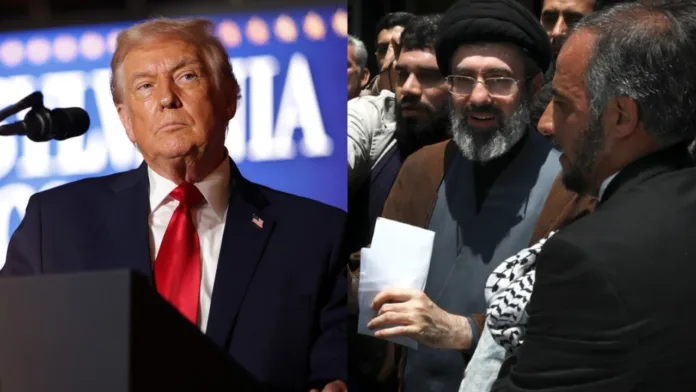

Trump threatens Iran over Hormuz blockade as strikes and tensions intensify
US President Donald Trump has issued a strongly worded threat to Iran, warning of potential military action if the Strait of Hormuz is not reopened to all shipping by a set deadline.
In a social media post, Trump said Iran must comply or face severe consequences, including the destruction of power plants and bridges. He repeated an earlier warning to unleash “hell”, while also stating that there remained a “good chance” of reaching a deal with Tehran.
The statement marks a further escalation in tensions surrounding the Strait of Hormuz, a key global shipping route through which around a fifth of the world’s oil and gas typically passes.
Iran has restricted transit through the strait during the ongoing conflict, contributing to rising global oil prices and increasing concerns about inflation and energy supply.
Tehran dismissed Trump’s remarks, with officials describing his ultimatum as “helpless, nervous and stupid”. Iranian authorities have indicated that the strait could be reopened under certain conditions, including compensation linked to damage caused during the conflict.
The latest exchange comes after more than a month of hostilities involving Iran, the United States and Israel. Military action has continued across the region, with both sides carrying out strikes.
Israel has targeted Iranian infrastructure in recent days, including a petrochemical facility. Reports also indicate that strikes hit Qasem Soleimani International Airport in south-western Iran.
At the same time, Iran has continued to launch drones and missiles at Israel and US allies in the Gulf.
The conflict has also affected civilian areas. In the Israeli city of Haifa, a residential building was struck by a ballistic missile, leaving four people injured.
Trump’s latest comments followed a separate announcement that a US serviceman had been rescued after a fighter jet was downed over Iran. The operation took place in a mountainous region in the south-west of the country.
The incident highlighted the ongoing military risks, as both sides continue to engage in operations across the region.
The US president has issued multiple deadlines for Iran to reopen the Strait of Hormuz in recent weeks. Initially, he warned that Iranian energy infrastructure could be targeted if the route was not fully reopened within 48 hours.
That deadline was later extended as discussions continued. Trump announced a five-day pause on strikes, followed by a further 10-day extension, citing ongoing talks.
Despite these delays, the situation remains uncertain. Trump has indicated that while negotiations are under way, military action remains an option if an agreement is not reached.
Iranian officials have responded with their own warnings. A senior military figure said that any action by the United States could lead to severe consequences, adding that “the gates of hell will open”.
The Strait of Hormuz remains central to the crisis. Disruptions to shipping have had a significant impact on global markets, with oil prices rising sharply before showing signs of volatility.
As tensions continue to escalate, the focus remains on whether diplomatic efforts can prevent further conflict or whether the situation will deteriorate further.
With both sides maintaining strong positions and military activity ongoing, the coming days are expected to be critical in determining the next phase of the crisis.