
.jpg)

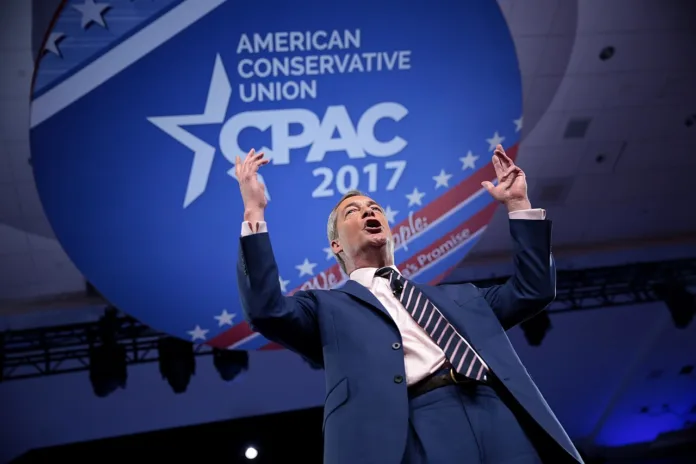
The Nigel Farage backlash is nothing new. Over the past decade, Nigel Farage has repeatedly found himself at the centre of political storms, media scrutiny, and public criticism. From his role in the Brexit campaign to ongoing criticism over comments on immigration and national identity, his presence in the UK debate has rarely been quiet and rarely uncontested.
In recent years, that pattern has shifted from occasional controversy to constant visibility. Whether it’s a high-profile interview, a viral exchange on live television, or commentary on current UK issues, Farage consistently lands at the centre of national conversation. These moments don’t just attract criticism, they spread fast, dominating headlines, clips, and online discussions within hours.
Critics argue that this level of exposure fuels division, while supporters see it as proof he’s willing to challenge mainstream narratives. But regardless of where the public stands, the outcome remains the same: each controversy keeps him firmly in the spotlight.
And that’s where things take an unexpected turn. For most public figures, repeated backlash leads to fewer appearances, reduced influence, and a gradual fade from relevance. Yet Farage remains everywhere, on screens, in headlines, and deeply embedded in the UK’s political conversation.
So the real question isn’t whether he’s controversial. It’s this: if this were anyone else, would they have been cancelled by now?
Nigel Farage backlash, and why does it keep returning?
The term Nigel Farage backlash typically refers to waves of public criticism following:
- Controversial political statements
- Polarising media appearances
- Viral clips from interviews or debates
- Comments on immigration, Brexit, or national identity
These incidents often spark immediate reaction across UK media and platforms like X and YouTube. Public response is rarely neutral; it tends to split sharply between strong support and strong opposition.
This pattern is important. The backlash isn’t isolated; it’s cyclical, meaning each controversy feeds into the next.
Cancel culture in the UK: Who actually gets “cancelled”?
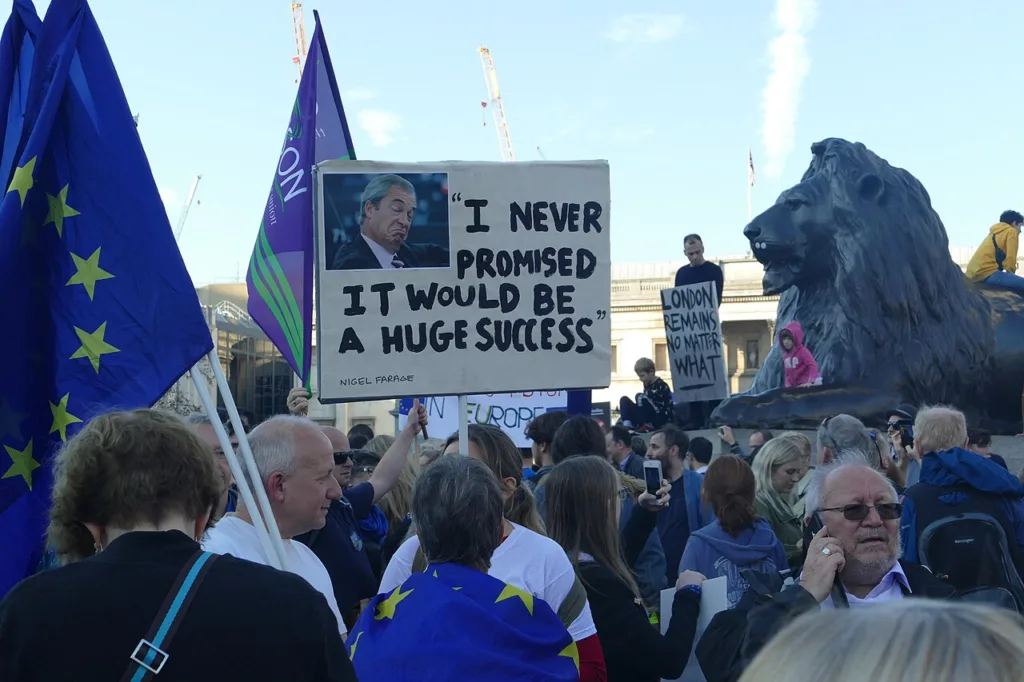
Before judging Farage’s position, it helps to define what “cancel culture” actually looks like in the UK context.
In practical terms, being “cancelled” usually involves:
- Loss of media platforms or broadcasting roles
- Brand or sponsorship withdrawal
- Long-term damage to public reputation
- Reduced visibility in mainstream discourse
However, cancellation is not applied evenly. In many cases, outcomes depend on factors such as influence, audience loyalty, and media alignment.
Why Nigel Farage doesn’t follow the usual rules
Here’s where the Nigel Farage backlash becomes more complex. Unlike celebrities or influencers, Farage operates in a different space, one where controversy can actually strengthen visibility rather than reduce it.
1. He exists within political debate, not entertainment
Politicians are expected to be divisive. Strong opinions are part of the role, not a liability.
- Controversy often signals influence, not failure
- Debate increases exposure rather than limiting it
- Criticism can reinforce political identity
For Farage, backlash often translates into more airtime, not less.
2. A loyal and polarised audience base
Farage’s audience is not passive; it is highly engaged and opinion-driven.
- Supporters often defend him during backlash
- Critics amplify his visibility through opposition
- Neutral audiences are drawn in by the conflict
This creates a feedback loop where controversy fuels relevance.
3. Media ecosystem rewards controversy
Modern UK media thrives on engagement. Controversial figures generate:
- Higher click-through rates
- Increased social media sharing
- Stronger audience retention
In this environment, the Nigel Farage backlash becomes commercially valuable. Whether coverage is positive or negative, it drives traffic.
Is cancel culture selective?
This is where the debate becomes more uncomfortable.
Many critics argue that cancel culture is applied inconsistently, particularly when comparing politicians to other public figures.
Key concerns often raised:
- Are politicians held to lower accountability standards?
- Does political influence protect against reputational damage?
- Are media outlets more cautious when dealing with political figures?
These questions don’t have simple answers, but they highlight a growing perception: not everyone plays by the same rules.
The legal and free speech angle
From a UK legal perspective, the situation is more nuanced than social media debates suggest.
Key legal principles involved:
- Freedom of expression (Article 10, Human Rights Act 1998)
- Protects political speech strongly
- Allows controversial opinions within legal limits
- Defamation laws
- Prevent false statements from damaging your reputation
- But do not restrict lawful opinion or debate
- Broadcasting regulations (Ofcom)
- Require balance and fairness
- But still allow robust political discussion
This legal framework means that controversial figures like Farage are not easily removed from public discourse unless laws are clearly breached.
The Nigel Farage backlash actually shows
At this point, it’s clear that the Nigel Farage backlash is not just about one individual. It reflects something broader about UK society: At this point, it’s clear that the Nigel Farage backlash is not just about one individual. It reflects something broader about UK society:
- Political figures are judged differently from celebrities
- Controversy is no longer career-ending; it can be career-sustaining
- Public outrage often increases visibility rather than reducing it
In other words, backlash has evolved. It’s no longer purely negative; it’s part of the modern media cycle.
Social media’s role: amplifier, not judge
Platforms like X, TikTok, and YouTube have changed how backlash works.
Instead of ending careers, they:
- Turn clips into viral moments
- Create echo chambers of support and criticism
- Reward engagement over resolution
This means that even intense criticism contributes to a figure’s relevance.
For Farage, this dynamic works in his favour. Every viral clip, whether praised or criticised, extends his reach.
Why backlash doesn’t equal consequence
Here’s the key shift: backlash no longer guarantees consequences.
In fact, for political figures:
- Visibility often outweighs reputational risk
- Strong opinions attract loyal followings
- Media attention reinforces influence
This explains why the Nigel Farage backlash rarely leads to long-term disappearance from public platforms.
Are we redefining accountability in the UK?
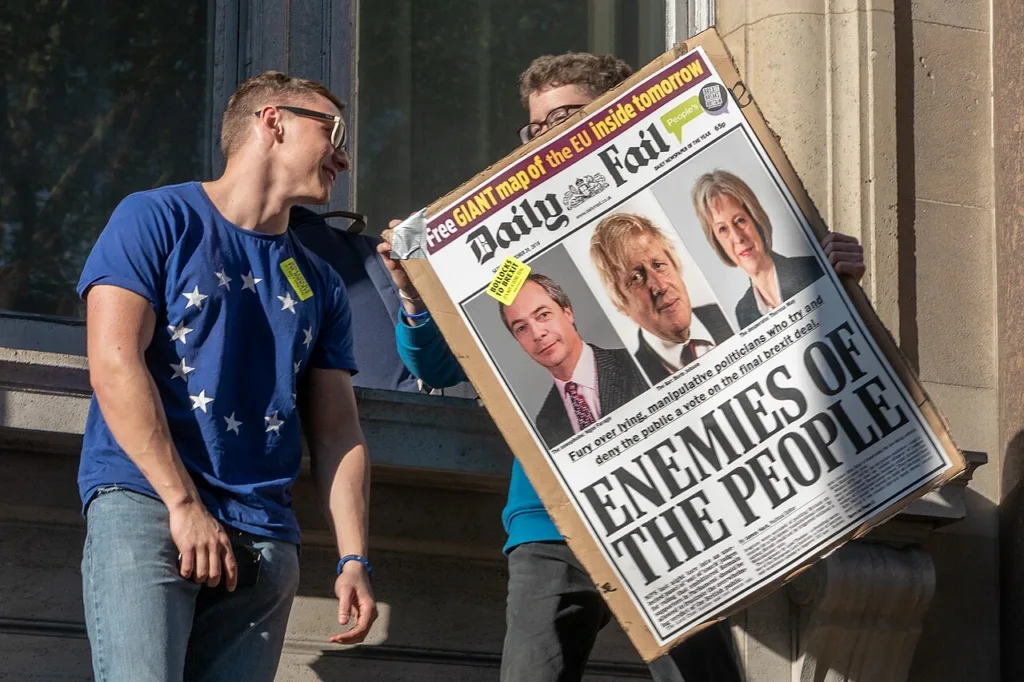
The bigger issue isn’t just Farage; it’s how accountability itself is changing.
Emerging trends:
- Public figures are judged through audience loyalty, not consensus
- Media exposure is driven by engagement, not approval
- Controversy is becoming a strategy, not a setback
This shift raises a difficult question:
Is accountability now optional for those with enough influence?
Why some argue he shouldn’t be “cancelled”
To balance the discussion, it’s important to consider the opposing view.
Some argue that:
- Political debate should remain open, even when controversial
- Silencing figures risks limiting democratic discussion
- Voters, not media outrage, should determine relevance
From this perspective, the continued presence of Farage is not a failure of accountability but a reflection of democratic freedom.
It’s not just about one man
The Nigel Farage backlash is ultimately a case study in modern UK culture.
It reveals:
- How media, politics, and social platforms intersect
- How outrage has become part of the content cycle
- How public figures can thrive within controversy
More importantly, it challenges a widely held assumption, that backlash leads to consequences.
So why not Nigel Farage?
As the Nigel Farage backlash continues to resurface, one thing becomes clear:
The rules have changed.
Cancellation is no longer automatic.
Outrage is no longer decisive.
And influence often outweighs criticism.
If this were anyone else, they might have disappeared.
But in today’s UK media landscape, controversy doesn’t end a career; it can sustain it.
And that’s the real story.