
.jpg)

PM gives doctors 48 hours to cancel strike or risk losing training places
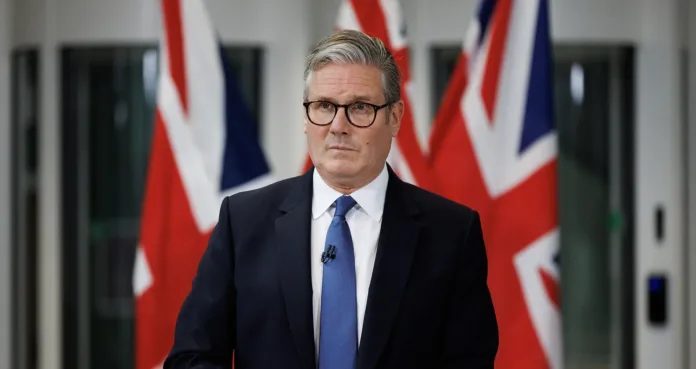
Prime Minister Sir Keir Starmer has given the British Medical Association (BMA) a 48-hour deadline to call off a planned six-day strike or risk losing a package of new job opportunities for doctors.
In a statement published in The Times, Starmer criticised the union’s decision to reject the latest government offer and proceed with further industrial action. He described the move as “reckless”, particularly as the deal had not been put to a vote among union members.
The strike, scheduled to begin at 07:00 BST next Tuesday after Easter, will mark the 15th walkout in a long-running dispute over pay and working conditions. It is set to last six days, matching the longest strike seen during the ongoing conflict.
Embed from Getty Images
At the centre of the dispute is a proposed package that includes the creation of 1,000 additional training places this year. These roles form part of a broader plan to deliver at least 4,000 extra speciality training posts over the next three years.
The government has also offered to cover out-of-pocket expenses such as exam fees and to accelerate progression through the five resident doctor pay bands.
However, ministers have warned that these additional training posts may not be implemented if the strike goes ahead. The deadline has been set because applications for the roles are due to open in April, meaning there is limited time to finalise the expansion.
The dispute intensified after the BMA announced strike action following confirmation that resident doctors would receive a 3.5% pay rise this year. The increase, which takes effect in April, was recommended by an independent pay review body and applies to all doctors.
The union argues that the rise is insufficient, particularly in light of expected inflation increases linked to the war with Iran. It also maintains that pay for resident doctors has not kept pace with inflation since 2008.
According to the BMA, even after recent pay increases, doctors’ earnings remain around 20% lower in real terms compared with levels in 2008.
Health Secretary Wes Streeting has repeatedly stated that further pay increases are not possible. He has pointed out that resident doctors have received pay rises totalling nearly 30% over the past three years.
Talks between the government and the union have been ongoing since January, following earlier strikes in November and December. Despite these negotiations, the two sides have been unable to reach an agreement.
Starmer urged the BMA to reconsider its position and present the deal to its members. He argued that rejecting the offer without a vote denied doctors the opportunity to decide for themselves.
“Walking away from this deal is the wrong decision,” he said, adding that no one benefits from rejecting the proposal.
Resident doctors, previously known as junior doctors, make up nearly half of the NHS medical workforce. Around two-thirds of them are members of the BMA.
The issue of training opportunities has also been a key concern in the dispute. The union has highlighted a shortage of specialist training posts, particularly at the stage where doctors choose their area of practice.
Last summer, around 30,000 applicants competed for approximately 10,000 training positions, underscoring the pressure on the system.
As the deadline approaches, the standoff between the government and doctors remains unresolved, with both sides holding firm on their positions. The outcome will determine whether the planned strike proceeds and whether the proposed expansion of training opportunities moves forward.