
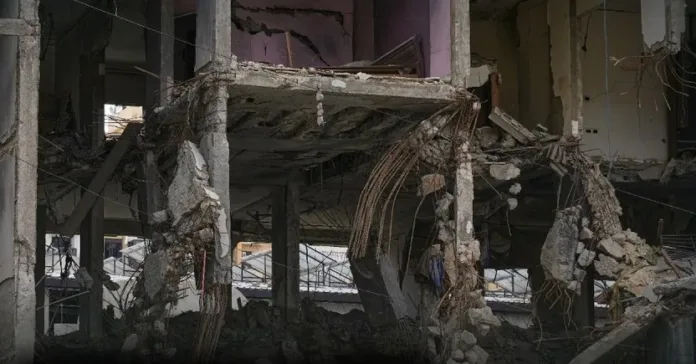

Stocks fall as strikes hit Tehran and US-Iran threats intensify
Global markets came under pressure as the conflict between the United States, Israel and Iran intensified, with fresh strikes reported in Tehran and escalating threats from both Washington and Tehran.
Stock markets across the Asia-Pacific region fell in early trading, reflecting growing investor concern over the widening conflict and its potential economic consequences.
At the same time, oil prices moved lower despite the escalation, while gold prices also declined, reversing much of their gains from earlier in the year.
Explosions were reported in the Iranian capital after Israel’s military said it had launched “a wave of extensive strikes targeting infrastructure” in Tehran.
The strikes mark a continuation of military activity in the region as the conflict expands beyond initial targets.
Meanwhile, tensions increased further after US President Donald Trump issued a new warning to Iran.
He said the United States would target Iran’s power plants if the country failed to reopen the Strait of Hormuz by a specified deadline.
The strait is one of the world’s most important shipping routes for oil and gas, making it central to global energy supply.
Iran responded by linking the reopening of the waterway to the lifting of sanctions, stating that “freedom of trade” is essential for freedom of navigation.
Tehran also warned that any further attacks could trigger retaliation against US-linked financial institutions and critical infrastructure.
The situation has created uncertainty across financial markets.
Oil prices, which had surged earlier in the conflict, have started to fall back, even as military activity continues.
Gold, often considered a safe-haven asset during times of crisis, also declined.
Prices dropped by more than three percent in early trading in Asia, bringing total losses since the conflict began to over 12 percent.
Analysts suggested that the fall in gold prices may be linked to a stronger US dollar and expectations that inflation could keep interest rates elevated.
The uncertainty has also affected corporate activity.
Saudi Aramco’s chief executive, Amin Nasser, cancelled a planned appearance at a major energy conference in Houston due to the escalating situation.
Other industry figures, including Vitol chief executive Russell Hardy, also withdrew from the event.
The conference, typically one of the most significant gatherings in the energy sector, has been overshadowed by developments in the Middle East.
Saudi Aramco has already seen some of its facilities targeted during the conflict, raising concerns about the potential impact on global energy supply.
In a separate development, analysts highlighted the growing cost of defensive operations in the region.
Advanced fighter jets have been deployed to intercept waves of Iranian drones, which are typically slow-moving and low-flying.
While the aircraft have proven effective, the operations have placed significant strain on resources, including financial costs and the workload on pilots and equipment.
As military activity continues and both sides issue further warnings, markets remain sensitive to any new developments.
The combination of geopolitical risk, energy supply concerns and financial uncertainty continues to shape global economic conditions.