
.jpg)

Lloyds Banking Group confirms 95 more branches will shut by 2027
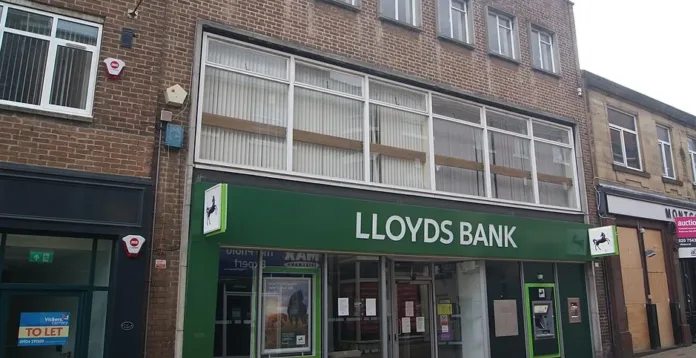
Lloyds Banking Group has confirmed another wave of branch closures, deepening concerns over the future of the traditional high street bank.
The UK’s biggest banking group announced that 95 more branches will close between May this year and March 2027. The latest round includes 53 Lloyds branches, 31 Halifax sites and 11 Bank of Scotland locations.
It marks yet another contraction of physical banking services across the country.
The move follows an earlier announcement that 49 branches will shut by October. That came after 136 closures were revealed roughly a year ago. Taken together, the scale of the reductions underscores the continued reshaping of Britain’s retail banking landscape.
Once the latest closures are complete, Lloyds Banking Group will operate 610 branches nationwide. The group remains the UK’s largest mortgage provider, but its physical footprint continues to shrink as more customers move to digital services.
The bank has not confirmed how many jobs will be directly affected by the closures. However, it said that all employees working at the impacted branches will be offered alternative roles. Staff will either be relocated to another branch or moved into different parts of the business.
Embed from Getty Images
While the company has not detailed specific locations in this announcement, customers are being urged to check whether their local branch is among those scheduled to close. The closures will be staggered, beginning in May and continuing through to March 2027.
The steady reduction in branch numbers reflects a broader shift in how customers interact with banks. Digital and mobile banking have grown rapidly in recent years, significantly reducing in-person transactions. However, branch closures continue to spark debate about access to essential financial services, particularly for elderly customers and those in rural communities.
For many towns, the departure of a bank branch represents more than just a change in banking habits. It often signals another withdrawal of services from already struggling high streets.
Despite the closures, Lloyds Banking Group maintains that it is adapting to changing customer behaviour. The group has consistently pointed to falling footfall in branches and increased reliance on online platforms as key drivers behind its decisions.
The announcement reinforces an ongoing trend within the UK banking sector, where major lenders have been steadily trimming branch networks over the past decade.
For customers affected by the latest round of closures, alternative arrangements will need to be made. Some may be redirected to nearby branches, while others may rely more heavily on digital services or shared banking hubs where available.
The phased nature of the shutdowns means communities will see changes roll out over the next two years rather than all at once. Nevertheless, the cumulative impact is significant.
As Lloyds Banking Group continues to streamline operations, the future of high street banking appears increasingly uncertain. While digital banking expands, the physical presence that once defined Britain’s financial landscape continues to recede.
For now, customers are advised to review the full list of scheduled closures and plan accordingly as the next chapter of branch reductions unfolds.