
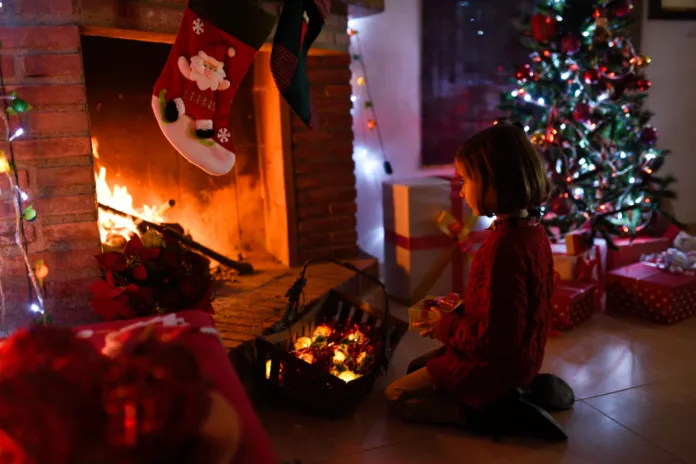

Yule sits quietly beneath the surface of modern Christmas, rarely discussed but deeply influential. Long before Christmas trees, carols, or 25 December became fixed in the calendar, communities across Northern Europe marked winter with a celebration centred on survival, light, and renewal.
Historians broadly agree that Christmas did not emerge fully formed. Instead, it developed over centuries, shaped by older seasonal festivals that already carried meaning for people living through harsh winters. Among these, Yule played a central role.
Understanding the origins of these winter customs is not about challenging belief. It is about recognising how human societies have always used ritual and symbolism to endure the hardest season of the year.
What is Yule?
It was an ancient winter festival observed across parts of Scandinavia, Germany, and Northern Europe. It was closely tied to the winter solstice, the point at which daylight begins to return after the longest night of the year.
At its core, it was practical as much as symbolic. It marked survival through winter, honoured the sun’s return, and reinforced social bonds during a time when isolation and scarcity were real threats.
Key elements of Yule included:
- Fire and light to symbolise warmth and protection
- Feasting to share stored food
- Evergreens to represent life continuing through winter
- Community gatherings to strengthen collective resilience
These themes still sit at the heart of Christmas today.
Why winter festivals mattered so much
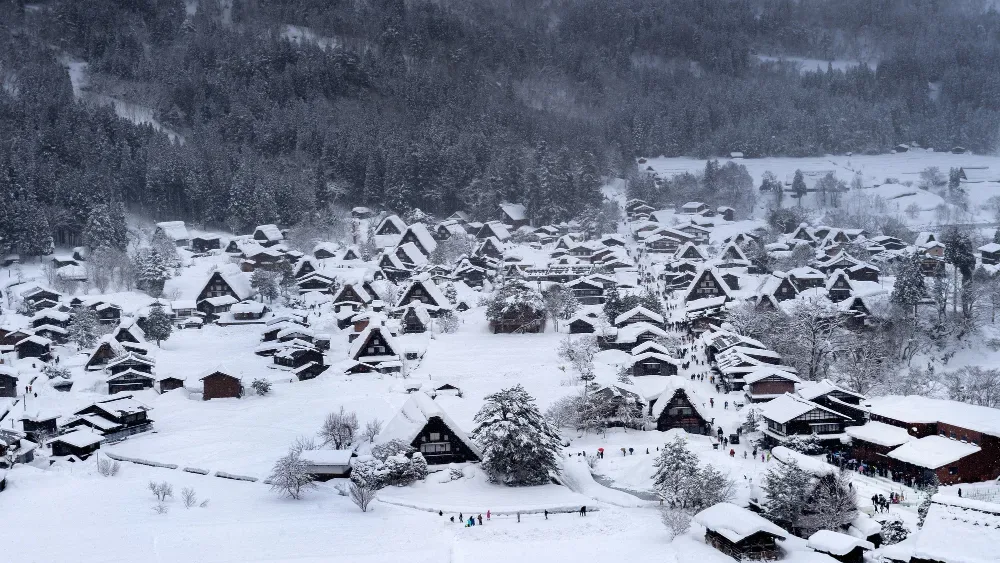
To modern audiences, winter is an inconvenience. Historically, it was a life-or-death challenge.
Before electricity, central heating, or reliable food supply chains, winter brought:
- Food shortages
- Illness
- Limited travel
- Long periods of darkness
Winter festivals like it were psychological anchors. They provided reassurance that darkness was temporary and that life would return.
This is a crucial point when exploring Yule and the origins of modern Christmas. The emotional need behind the celebration came first. Religion and formal calendars followed later.
How it influenced Christmas traditions
Many of the traditions now seen as “classic Christmas” have clear roots in Yule practices.
Evergreen trees and decorations
Evergreen branches were brought indoors during Yule to symbolise endurance and life. Over time, this evolved into the decorated Christmas tree.
The Yule log
Large logs were burned to bring warmth and luck through winter. Today, the Yule log survives symbolically in Christmas desserts and decorative traditions.
Feasting and gatherings
Yule centred on communal meals, sharing resources, and hospitality. Christmas retained this structure, even as religious meaning expanded.
Candles and light
Light was a powerful symbol during it, representing protection and renewal. Christmas lights continue this theme almost unchanged.
These continuities show that Christmas did not replace it so much as absorb and adapt it.
When Christianity entered the picture

Early Christianity did not initially celebrate the birth of Jesus. The focus was on Easter and resurrection.
By the fourth century, church leaders faced a practical challenge. Large populations already celebrated winter festivals like Yule. Rather than erase them, Christianity aligned its celebrations with existing traditions.
This approach helped:
- Ease conversion
- Maintain social stability
- Reframe familiar rituals within a new belief system
December 25 was selected not because of historical certainty, but because it aligned with established winter celebrations. This decision was strategic, not accidental.
This moment sits at the heart of yule and the origins of modern Christmas.
The political dimension of Christmas
Religion and governance have always been closely linked. Shared calendars and public festivals create unity, predictability, and social order.
By formalising Christmas:
- Authorities gained a shared national observance
- Communities retained familiar rituals
- The transition felt evolutionary rather than disruptive
This does not mean Christmas was deceptive or manipulative. It means it was designed to work within existing human behaviour.
Understanding this context removes unnecessary conflict from the conversation. Christmas became meaningful because it carried forward what people already valued.
Why didn’t it disappear
Yule never truly vanished. It survived by becoming part of something larger.
Even today:
- Solstice symbolism remains central
- Light conquering darkness defines the season
- Togetherness remains the emotional core
Modern Christmas is layered. It carries religious meaning for some, cultural meaning for others, and emotional meaning for nearly everyone.
This layered structure explains why Christmas remains so resilient across centuries and cultures.
Why this history still matters today
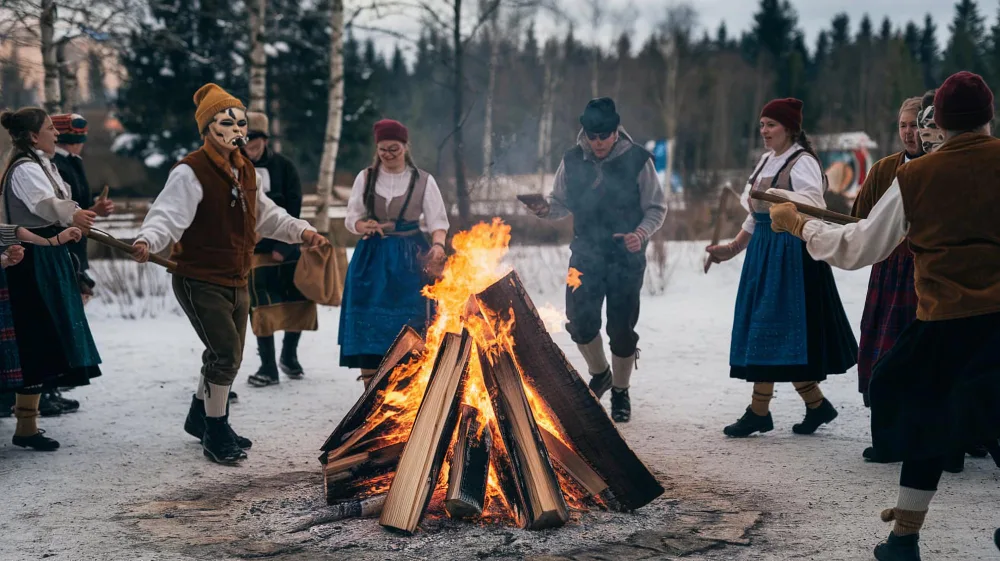
Knowing where traditions come from changes how we relate to them.
For many people in the UK, Christmas can feel:
- Emotionally heavy
- Commercialised
- Disconnected from its original meaning
Understanding Yule reminds us that the season was never about perfection. It was about comfort, continuity, and getting through winter together.
That context can strip away pressure and restore perspective.
Yule in modern conversations
In recent years, interest in Yule has resurfaced. This is not about rejecting Christmas, but about curiosity and reconnection with older traditions.
People exploring it today are often drawn to:
- Seasonal mindfulness
- Simpler rituals
- Nature-based symbolism
- Reduced commercial pressure
This renewed interest highlights how adaptable these traditions still are.
What Yule Tells Us About Christmas
When viewed through history, Christmas stops being fragile or controversial. It becomes human.
Yule and the origins of modern Christmas reveal that traditions endure because they meet genuine emotional needs. Stories change, symbols evolve, but the core purpose remains the same.
At its heart, the season exists to remind people that light returns, winter’s end, and no one is meant to endure hardship alone.
That truth is older than Christmas and stronger because of it.