
.jpg)

UN nations condemn US strikes and the arrest of Venezuela’s president as illegal aggression
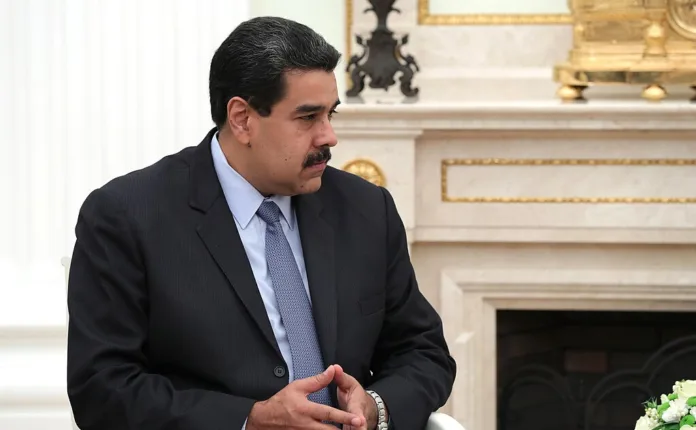
The United States has been hit with fierce international condemnation after launching deadly strikes on Venezuela and detaining its president, Nicolás Maduro, triggering accusations of a “crime of aggression” at an emergency meeting of the United Nations Security Council.
Representatives from countries spanning Latin America, Europe, Africa and Asia denounced the operation, warning it crossed a dangerous line and threatened global norms governing sovereignty and the use of force. Several nations accused Washington of acting outside international law by bombing Venezuelan territory and forcibly removing its elected leader.
Brazil’s ambassador described the operation as an unacceptable assault on Venezuela’s sovereignty, saying the strikes and arrest set a perilous precedent for international relations. He warned that allowing such actions to stand would undermine the foundations of the global order.
China, Russia, South Africa, Mexico, Spain, Colombia and Cuba were among those voicing alarm. They argued that no country had the authority to act as judge, jury and enforcer on the world stage.
The emergency meeting was held just hours before Maduro was scheduled to appear in a federal court in Manhattan, where he faces charges including narco-terrorism conspiracy, cocaine trafficking and weapons offences. Maduro has repeatedly denied all allegations.
The United Nations secretary general issued a stark warning, saying the arrest risked intensifying instability within Venezuela and across the wider region. He questioned whether the operation respected international law and cautioned that it could encourage future unilateral uses of force by powerful states.
Colombia, which requested the meeting, delivered a carefully worded but firm rebuke. Its ambassador said democracy could not be defended through violence or coercion and stressed that no circumstances justified unilateral military action against another state.
Russia and China adopted a harsher tone, calling for Maduro and his wife, Cilia Flores, to be released immediately. Russia’s ambassador said the operation marked a return to lawlessness, accusing the United States of claiming the right to invade any country at will.
China echoed the criticism, saying the US had trampled Venezuela’s sovereignty and violated the principle of equality between states. Its representative insisted that no nation could act as the world’s police and urged Washington to abandon what he described as bullying tactics.
Cuba’s ambassador went further, branding the attack an imperialist act with no legal justification and accusing the United States of seeking domination under the guise of law enforcement.
Venezuela’s own representative told the council the country had suffered an illegitimate armed attack, describing the seizure of its president and first lady as kidnapping. He argued that Venezuela was being targeted because of its natural resources and warned that allowing such actions would erode international law.
In response, the US ambassador defended the operation as a lawful enforcement action rather than an act of war. He argued that the arrest was carried out to execute long-standing criminal indictments against what he described as an illegitimate leader, insisting there was no war against Venezuela or its people.
The ambassador cited the right to self-defence under the UN charter and compared the operation to the capture of Panama’s former leader in 1989. He claimed that diplomacy had been exhausted and said evidence against Maduro would be presented openly in court.
Despite the heated debate, the Security Council appeared paralysed. Any attempt to formally condemn the United States is expected to fail due to Washington’s veto power, leaving the body unable to act collectively.
As divisions hardened, diplomats warned that the fallout from the operation could reshape international relations, deepening mistrust and accelerating a shift toward a more volatile and fractured global order.