

Thinktank says UK’s costly borrowing premium may ease as markets warm to Reeves’s fiscal plans
A leading thinktank has suggested that the higher borrowing costs faced by the United Kingdom may finally be easing, after years in which investors demanded a premium over major international economies. The Institute for Public Policy Research said that growing confidence in the government’s new fiscal stance had begun to shift market sentiment, marking a potential turning point for the country’s strained public finances.
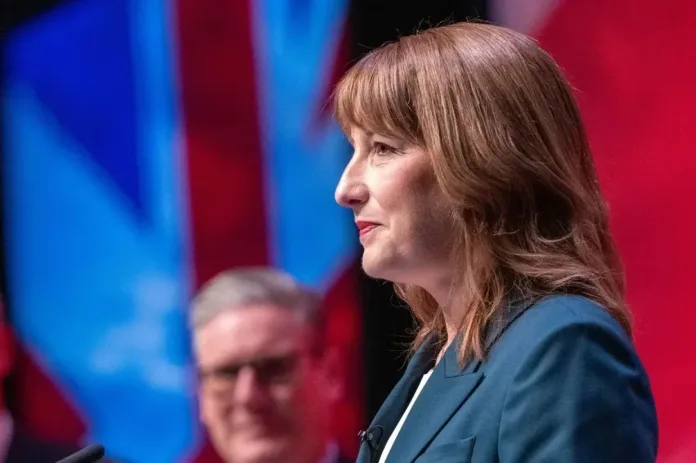
The assessment follows Chancellor Rachel Reeves’s autumn budget in which she confirmed plans to increase the government’s financial headroom from 9.9 billion pounds to 22 billion pounds by the end of the decade. The move was intended to demonstrate a firmer commitment to fiscal discipline and reassure investors who have long questioned the reliability of British economic management.
Government bond yields have risen across much of the world as inflation, higher interest rates and wider budget deficits have driven up the cost of servicing national debt. Yet the United Kingdom’s gilt yields have climbed more steeply than those of the United States and the eurozone. According to the IPPR this divergence has not been driven by economic weakness but by a credibility problem that has lingered since the turbulence of the Truss administration.
Embed from Getty Images
The thinktank noted that UK yields have risen between 0.4 and 0.8 percentage points more than those of comparable economies since Labour entered office in 2024. This difference has left taxpayers facing an annual bill of up to 7 billion pounds. The UK has already spent 92 billion pounds on interest payments in the current financial year.
These higher costs come despite the fact that the country’s underlying economic indicators are stronger than several nations with cheaper borrowing. The United Kingdom’s debt stands at 101 per cent of gross domestic product. By contrast the United States holds debt at 122 per cent of its economic output and Japan carries a ratio of 237 per cent. The government has also pledged to halve annual borrowing before the end of the current parliament.
However the IPPR said years of sudden fiscal rule changes had left bond traders wary of political promises. The mini budget of 2022, presented during Liz Truss’s short tenure, was cited as a flashpoint that demonstrated how quickly a British government could overturn established frameworks. The thinktank added that the years leading up to the 2024 election saw seven different chancellors and repeated shifts in economic policy. This inconsistency damaged trust and embedded a belief that the United Kingdom struggles to follow its own rules.
The autumn budget appears to have made some progress in reversing that perception. The IPPR said that Britain’s premium over eurozone borrowing costs has almost halved since the announcement. Senior economist William Ellis said the development showed that investors were responding to a clearer and more stable approach. He added that consistent adherence to fiscal plans could save billions and allow future governments greater room for economic manoeuvre.
The thinktank also highlighted another factor influencing borrowing costs. It argued that the Bank of England should pause its sale of government bonds which has taken place at a record pace. These sales place additional pressure on the gilt market at a time when stability is crucial. Carsten Jung, associate director for economic policy at IPPR, said that every other major central bank had already stopped active sales. He urged the Bank to follow suit in order to support the country’s broader fiscal goals.
As the government seeks to reinforce confidence after years of volatility the signs of improvement may offer welcome relief. Yet economists warned that Britain’s reputation in global markets will depend on sustained discipline and the avoidance of further political shocks