

_(cropped).jpg)

The Trump Venezuela situation escalated into a full constitutional and geopolitical crisis when Venezuelan President Nicolás Maduro was detained during a United States military operation in Caracas. The unprecedented action has thrown Venezuela’s political future into deep uncertainty, with global reactions ranging from support for regime change to condemnation over breaches of international law.
Maduro, who had led the country since 2013 and was sworn in for a controversial third term in 2025, now faces federal charges in the United States. He has pleaded not guilty and has described himself as having been kidnapped, claiming prisoner of war status under international law.
Donald Trump has indicated that the United States intends to play a role in Venezuela’s transition, framing the intervention as part of a broader effort to confront corruption, drug trafficking, and governance failures. What follows is a nation suspended between power vacuums, legal uncertainty, and global scrutiny.
This article examines the current Trump Venezuela crisis, what has happened on the ground, who holds authority now, and what may come next for Venezuela.
How the crisis unfolded
The situation intensified when US forces carried out a surprise military operation in Caracas, resulting in the capture of President Maduro and his wife, Cilia Flores.
The operation involved:
- Military action in the Venezuelan capital
- The detention and removal of the sitting president
- Transfer to the United States to face federal charges
US authorities have accused Maduro and Flores of serious criminal offences linked to narcotics trafficking. Both have pleaded not guilty and rejected the legitimacy of the proceedings.
Maduro has continued to assert that he remains Venezuela’s lawful president, describing the operation as illegal and a violation of national sovereignty.
Interim leadership and domestic response
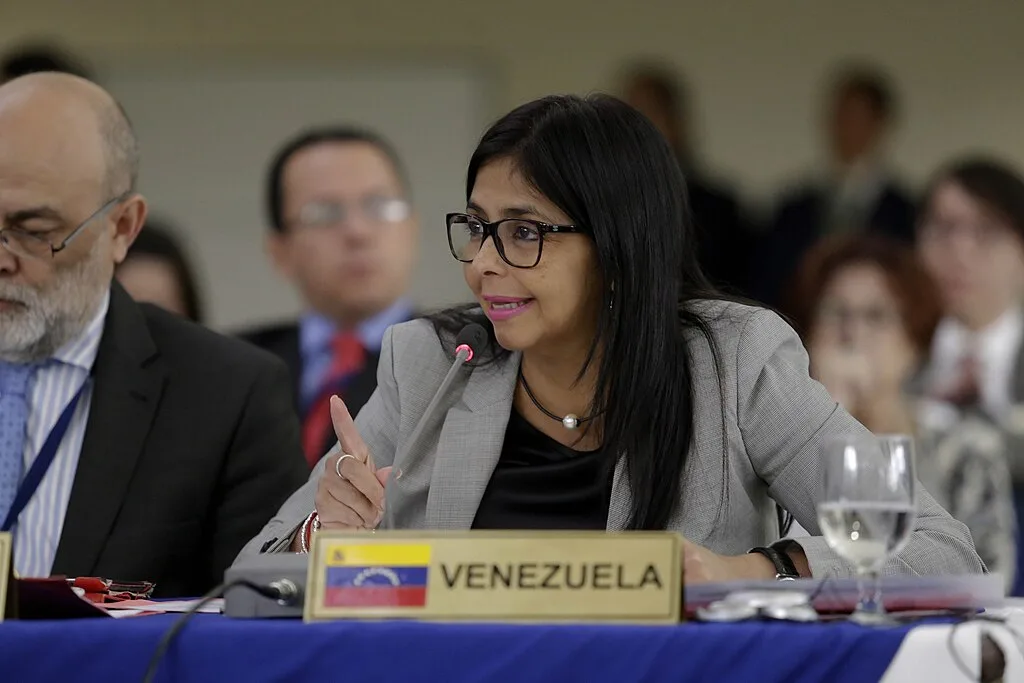
With Maduro removed from Caracas, Venezuela’s Supreme Tribunal of Justice appointed Vice President Delcy Rodríguez as interim president.
Rodríguez condemned the US action as unlawful while calling for internal stability and continuity of governance. Her appointment has been recognised by state institutions but disputed internationally.
Inside Venezuela, reactions remain deeply divided:
- Opposition figures see the moment as an opportunity for political transition
- Government loyalists denounce foreign interference and reject the interim arrangement
The result is a constitutional vacuum, with contested authority and no clear national consensus.
International reaction and legal debate
The Trump Venezuela intervention triggered immediate international debate.
Some governments condemned the action as a breach of international law and state sovereignty. Others argued that Maduro’s leadership had lost legitimacy through contested elections and long-standing authoritarian practices.
Key legal questions now dominate the discussion:
- Can a sitting head of state be lawfully detained by foreign forces
- Does alleged criminal conduct override sovereign immunity
- What precedent does this set for future interventions
These questions extend beyond Venezuela and into the foundations of international governance.
What this means for Venezuelan governance
At the heart of the crisis are three unresolved issues.
1. Who holds power in Caracas
With Maduro detained abroad and Rodríguez acting as interim leader, Venezuela’s chain of authority remains unclear, particularly within the military and security forces.
2. Will elections take place
Calls for free and fair elections have intensified, but no timeline or framework has been agreed upon.
3. Can institutions hold
Years of institutional erosion mean any transition faces structural weakness and limited public trust.
Without clarity on these points, political stability remains fragile.
Economic and humanitarian context
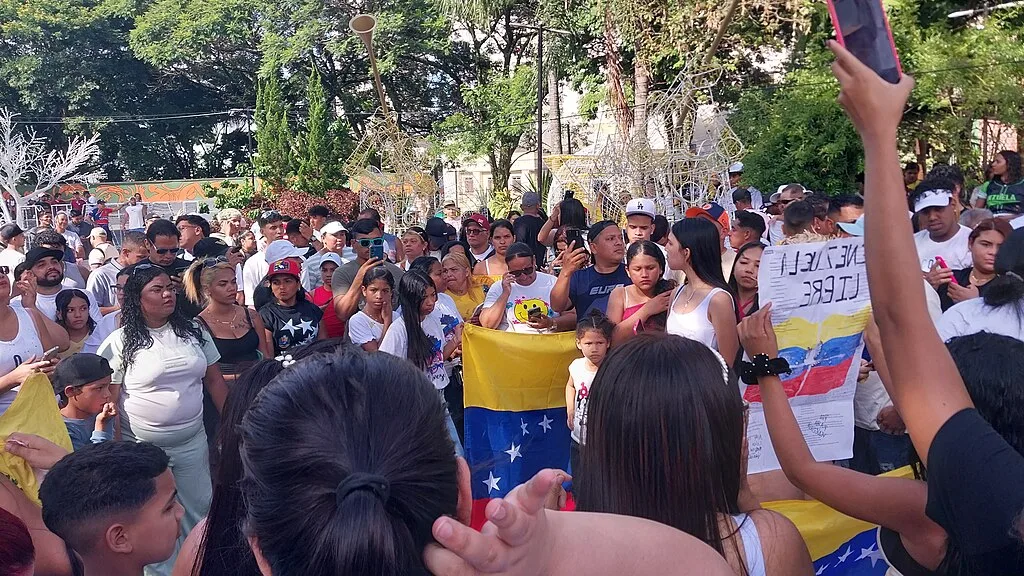
The political crisis comes against the backdrop of prolonged economic hardship.
Venezuela continues to face:
- High inflation and currency instability
- Food and medicine shortages
- Widespread poverty and migration
Human rights organisations have long raised concerns over political detentions, restrictions on the press, and suppression of dissent. These issues remain unresolved as the country enters another period of uncertainty.
Oil, power, and global stakes
Venezuela holds the world’s largest proven oil reserves, making its political future a matter of international importance.
The Trump Venezuela situation has renewed discussions around:
- Rehabilitation of the oil sector
- Foreign investment and energy partnerships
- The role of oil in shaping political transition
Any shift in governance will have implications for global energy markets and regional alliances.
What comes next for Venezuela
Several scenarios are now possible.
- Negotiated Transition
Interim leadership agrees to an election roadmap supported by international observers. - Political Stalemate
Competing claims to power persist, leading to prolonged instability. - Escalation
Protests, repression, or fragmentation of state authority increase humanitarian risks.
The path chosen will determine whether Venezuela stabilises or enters a deeper crisis.
Conclusion: A defining moment for Venezuela
The Trump Venezuela episode represents one of the most consequential political moments in the country’s modern history.
It has raised fundamental questions about sovereignty, accountability, and the limits of international intervention. While the immediate future remains uncertain, what follows will shape Venezuela’s political system, economic recovery, and standing in the world.
Whether this moment leads to reform, repression, or prolonged instability depends on decisions yet to be made, both inside Venezuela and beyond its borders.