

Keir Starmer works to reopen Hormuz strait as fragile ceasefire faces setbacks
Keir Starmer has highlighted the UK’s role in helping to reopen the vital Strait of Hormuz, even as the region’s tensions remain high following the fragile ceasefire between the US and Iran.
The UK prime minister met with British and local military personnel at an airbase in Taif, Saudi Arabia, during the start of a wider trip to Gulf allies. His visit is focused on building upon the recent ceasefire and exploring ways to ensure the free passage of shipping through the strategic Strait, which has been blocked in recent days due to escalating hostilities.
The ceasefire, which was agreed upon just hours before a deadline set by US President Donald Trump, was intended to pave the way for the reopening of the Strait of Hormuz. However, Iranian news reports later claimed that the strait had been closed again due to an alleged breach of the ceasefire by Israel, which had intensified its attacks on Lebanon.
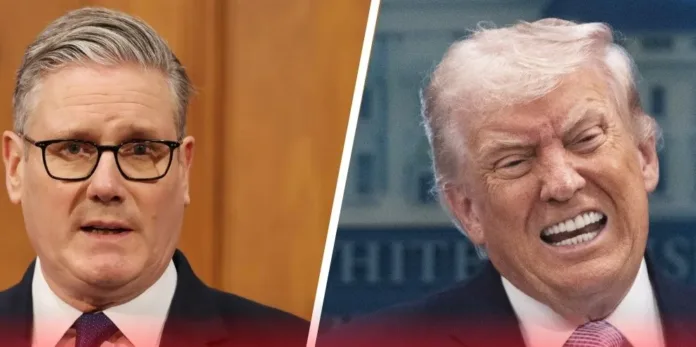
Starmer’s trip, while officially seen as complementary to the Pakistan-brokered US-Iran talks, positions the UK as a key diplomatic player in the region. With Trump’s approach often characterised by unpredictability, Gulf states may view Starmer as a more reliable partner in handling the complex dynamics of the region.
During his meeting with Saudi Arabia’s Crown Prince Mohammed bin Salman in Jeddah, Starmer underscored the need to uphold the ceasefire and turn it into a lasting peace. He also discussed the UK’s efforts to convene international partners to agree on the practical steps required to ensure the safe passage of oil tankers through the Strait of Hormuz.
“The prime minister was clear that it is vital now to continue work to reopen the strait of Hormuz,” a statement from Downing Street read. “We are continuing to support Saudi Arabia as a steadfast ally, including through the recent deployment of the Sky Sabre air defence system.”
However, challenges remain. Starmer himself acknowledged that while the ceasefire was a relief, it was “early days” in restoring full shipping traffic. The complexities of the situation, particularly given Iran’s ongoing concerns and Israel’s military actions, make it unclear whether the ceasefire will hold or if the situation will escalate once again.
In his remarks, Starmer reiterated that the UK was not “getting drawn into this war” but was focused on protecting national interests, including the reopening of the Strait to stabilise global energy prices. “It’s our job to make sure that the strait is open, that we’re able to get the energy that the world needs out and stabilise the prices back in the United Kingdom,” he said.
The issue of energy security remains pressing, with the closure of the Strait significantly impacting global oil supplies and causing spikes in fuel prices. The UK’s efforts to secure stable shipping lanes are seen as a key part of ensuring energy flows are maintained, especially with the wider geopolitical instability affecting the region.
In terms of next steps, Starmer’s schedule for the remainder of his visit has not been fully disclosed, and it is unclear which other Gulf nations he will visit following his meeting with the Saudi crown prince.
However, the underlying aim of his trip remains clear: to facilitate the reopening of the Strait of Hormuz, reduce tensions, and ensure that the UK maintains a central role in regional peace efforts.