
.jpg)

Starmer credits UK’s recognition of Palestine for ceasefire; opposition accuses him of betrayal
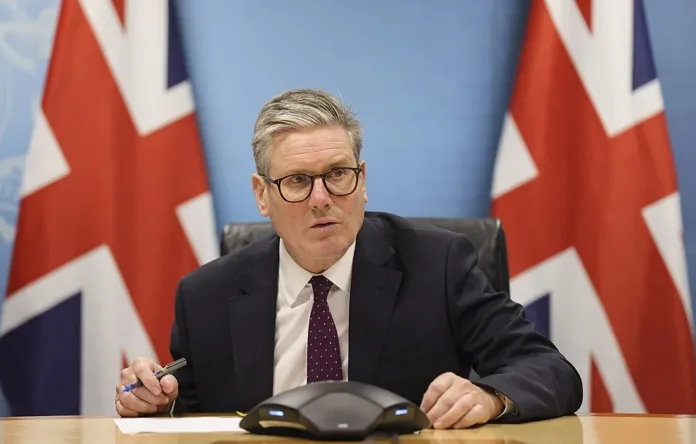
Prime Minister Sir Keir Starmer has told MPs that the UK’s decision to recognise a Palestinian state played a key role in securing the recent ceasefire in Gaza — a move that has sparked outrage among Conservatives.
Addressing the House of Commons after returning from a summit in Egypt, Sir Keir said the truce, formally signed there, was “President Trump’s deal” but added that Britain had been able to work “behind the scenes” precisely because of its recognition of Palestinian statehood.
He described the ceasefire as “a moment of profound relief” for the families of hostages and civilians on both sides, but warned that maintaining peace “will be no less difficult a task.”
The ceasefire deal marks the first major breakthrough in the two-year war between Israel and Hamas. Under its first phase, all living hostages were released and humanitarian aid began flowing into Gaza. The second phase, now being negotiated, is expected to focus on the disarmament of Hamas and the rebuilding of Gaza.
Conservative leader Kemi Badenoch accused Starmer of “rewarding terrorism” by recognising Palestine before hostages had been released, arguing that the move “diminished Britain’s global standing” and undermined its influence in Middle Eastern diplomacy.
In response, Starmer defended his government’s position, saying Britain’s recognition had strengthened its credibility among Arab nations and allowed it to work effectively alongside the United States, Egypt, and Qatar in bringing the sides to the table.
He said: “We were able to operate behind the scenes to support this deal precisely because of the approach this government takes. Without recognising the Palestinian state, we would not have had the trust or influence required to help make this ceasefire possible.”
Starmer confirmed that the UK will contribute an additional £20 million in humanitarian aid to Gaza, funding clean water, sanitation, and hygiene products for civilians in devastated areas. He added that the UK would not send troops but would assist in monitoring the ceasefire and in future reconstruction efforts.
Drawing parallels with Britain’s peace process in Northern Ireland, Starmer said the UK would “play a full role” in helping to decommission Hamas’s weapons and dismantle its military infrastructure. He stressed that the ultimate goal must remain the creation of two secure, co-existing states — Israel and Palestine.
“The deal we have now represents the first real chance since the Oslo Accords for a lasting two-state solution,” the Prime Minister said. “A safe and secure Israel, alongside a viable Palestinian state, is the only way to achieve permanent peace in the Middle East.”
While Starmer hailed the truce as a diplomatic turning point, he acknowledged that implementing it would be “no small challenge.” Phase two of the agreement, he said, would test the willingness of all parties to lay down arms and commit to rebuilding Gaza under international supervision.
Critics within his own party have privately expressed concern that Britain’s recognition of Palestine may have been premature. However, senior Labour sources insist the decision was a calculated act of diplomacy designed to re-establish the UK as a credible peace broker after years of political drift.
Starmer concluded his address by paying tribute to the lives lost on both sides of the conflict, telling MPs: “We owe it to them to make this peace last.