
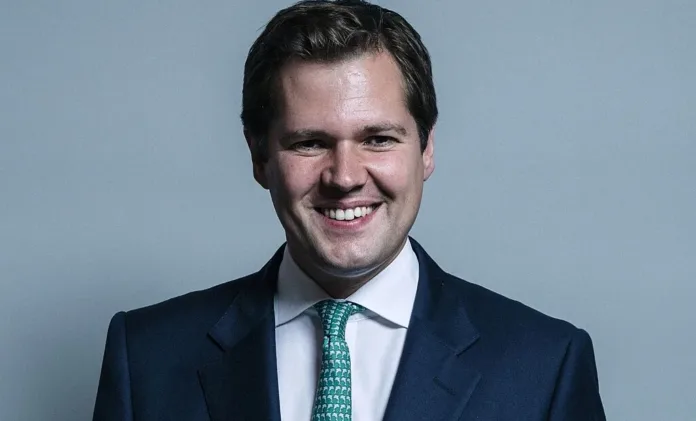


A leaked draft speech, secret talks and a dawn decision triggered a dramatic political defection
For months, warning signs had flickered behind closed doors. By Thursday morning, they erupted into one of the most dramatic defections in recent British politics.
Less than a day earlier, Robert Jenrick had been sitting in a wood-panelled committee room in parliament, smiling, engaged and discussing foreign policy alongside the Conservative shadow cabinet. Those present say nothing seemed amiss. He was upbeat. Relaxed. Entirely at ease.
Within 24 hours, he would be sacked, suspended from the party he joined as a teenager, and publicly backing its most direct rival.
Senior Conservatives say the party leadership had been braced for trouble. Rumours of discontent had circulated for months. Private warnings filtered in from multiple sources. Meetings had been flagged. One encounter with a rival party leader in December had already raised alarms.
Behind the scenes, Jenrick had been holding quiet discussions for four months. Some were informal. Others were more focused. There were repeated one-to-one conversations. None, his new allies insist, involved offers of jobs or positions. The talks, they say, were exploratory. Strategic. Intentional.
The moment everything unravelled came late on Wednesday afternoon.
As the shadow cabinet meeting drew to a close, the party leader was pulled aside. Advisers presented her with what they instantly recognised as explosive: a draft speech written by Jenrick outlining his defection. It included harsh criticism of colleagues he had been sitting beside just hours earlier.
The document had come from within his own parliamentary office. His allies do not dispute that fact, though they reject claims of carelessness. They insist the draft never left his office and deny it was casually shared.
What mattered was the conclusion drawn by the leadership. This was not speculation. It was preparation.
A small group of senior figures was summoned immediately. Emotions ran high. The word “disloyalty” was used. Some argued for a delay. Others urged decisive action.
The leader chose speed.
Before dawn on Thursday, the decision was final. From her home, she recorded a video announcing that Jenrick had been removed from the shadow cabinet and suspended from the Conservative Party. The message was posted within minutes. There would be no drawn-out process. No private negotiation.
Later that morning, Jenrick was in his Westminster office when the call came from the chief whip. He was told what the party had uncovered. He denied wrongdoing. The conversation ended abruptly.
Soon after, he spoke briefly with his new political allies. The decision was made to act immediately.
Those close to Jenrick say the defection felt inevitable. The speech had already been written. Timing, not intent, was the final question. They describe him as relieved once it was over, liberated by the speed with which events unfolded.
Supporters argue he handled the pressure with precision, delivering his statement and media questioning without error. They believe his move reshapes the political landscape, challenging claims that his new party lacks seriousness or depth.
From the Conservative side, the response is blunt. Allies of the leadership argue his departure had little to do with party weakness. They say his path to the top had narrowed as the leader’s authority strengthened.
Privately, some point to a tense away-day meeting last week. When asked whether Britain was broken, Jenrick said yes. Others bristled. The disagreement lingered. His body language, those present recall, was distant. Withdrawn. Final.
By the time the leak surfaced, the conclusion had already been reached.
The defection was not spontaneous. It was merely exposed.