
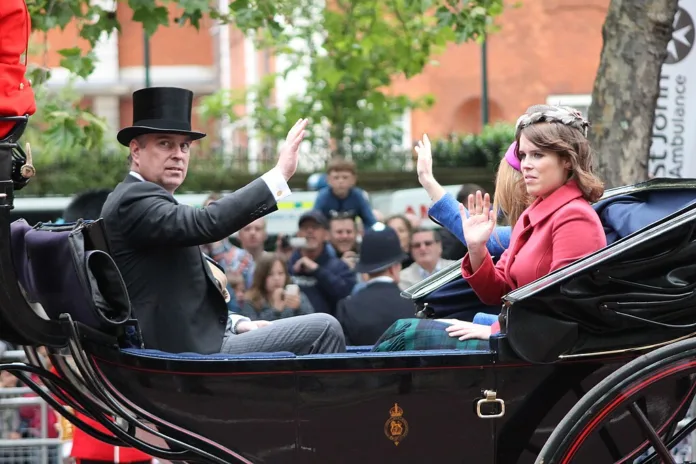


Prince Andrew has never been convicted of a crime. Yet few figures in modern British public life have experienced such a dramatic and lasting fall from public duty. The fallout from Jeffrey Epstein’s crimes reshaped not only Andrew’s reputation but also how the UK views power, privilege, and accountability.
In the years following Epstein’s death in 2019, the British monarchy faced one of its most sustained periods of public scrutiny. Polling by YouGov showed royal favourability toward Prince Andrew fell into negative territory and has remained there since. What followed was not a courtroom verdict, but a reckoning played out through media exposure, civil litigation, and institutional withdrawal.
This article examines Prince Andrew in the Epstein fallout, focusing on what is proven, what remains disputed, and why the case continues to matter in the UK legal and public sphere.
Who is Prince Andrew?
Prince Andrew, Duke of York, is the second son of Queen Elizabeth II and brother of King Charles III.
Before the scandal, Andrew was widely seen as:
- A decorated Falklands War veteran
- A long-serving trade envoy for the UK
- A senior working royal with international reach
For decades, his position placed him close to global political and business elites, a fact that later became central to public scrutiny.
Jeffrey Epstein and the wider scandal
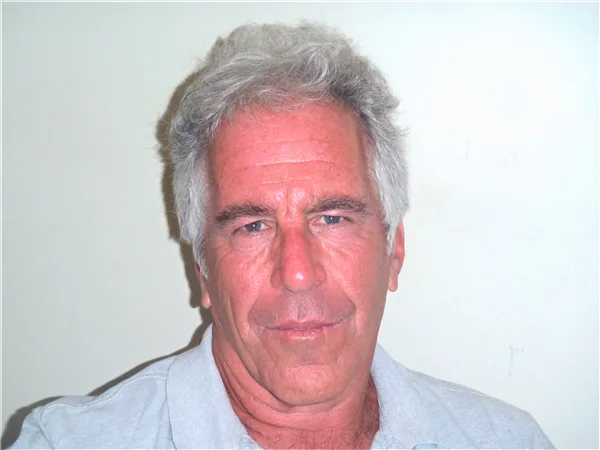
Jeffrey Epstein was a US financier who pleaded guilty in 2008 to soliciting a minor and later faced federal sex-trafficking charges. He died in prison in 2019 while awaiting trial.
Epstein’s case exposed:
- A network of wealthy and influential associates
- Systemic failures in accountability
- Long-term abuse of underage girls
As investigations expanded, attention shifted from Epstein himself to those within his social and professional orbit.
Prince Andrew’s association with Epstein
Prince Andrew has acknowledged knowing Epstein and socialising with him on multiple occasions.
Confirmed facts include:
- Andrew was photographed with Epstein in the early 2000s
- He visited Epstein’s properties in London and New York
- He remained in contact with Epstein after the latter’s 2008 conviction
Andrew has stated that he ended the relationship and denies any wrongdoing.
However, the continued association after Epstein’s conviction became a key issue in public perception and in later legal proceedings.
The Virginia Giuffre allegations

The most serious allegations came from Virginia Giuffre, who claimed she was trafficked by Epstein and sexually abused by Prince Andrew when she was 17.
Key points:
- The allegations were made in a civil, not criminal, context
- Prince Andrew has consistently denied the claims
- No criminal charges were brought against him in the UK or the US
Despite this, the claims gained traction due to corroborating photographs and flight records connected to Epstein’s activities.
The 2022 civil settlement
In early 2022, Prince Andrew reached an out-of-court settlement with Giuffre in the United States.
Important legal context:
- The settlement included no admission of liability
- Civil settlements are not findings of guilt
- The case was never tested in open court
From a legal standpoint, the settlement closed the case. From a public standpoint, it intensified scrutiny.
This moment became central to understanding Prince Andrew in the Epstein fallout, marking the end of his public role.
Removal from royal duties
Shortly before the settlement, Buckingham Palace announced decisive action.
Prince Andrew:
- Lost all honorary military titles and patronages
- Stopped using HRH in an official capacity
- Stepped back permanently from public royal duties
The decision was approved by Queen Elizabeth II and supported institutionally by the British royal family.
This was not a disowning, but a calculated removal from public life.
Why Prince Andrew was never charged

A recurring public question is why no criminal case followed.
Several legal realities matter here:
- Allegations dated back decades
- Jurisdiction spanned multiple countries
- Criminal cases require a higher burden of proof
In UK law, historical sexual offence cases can proceed, but only where evidence meets strict prosecutorial standards. In Andrew’s case, prosecutors did not pursue charges.
The role of media and public accountability
The case demonstrated how reputational accountability can exist outside the courtroom.
The 2019 BBC Newsnight interview, intended to clarify Andrew’s position, had the opposite effect. Media analysts widely described it as a failure in crisis communication.
From that point, public trust declined sharply.
This shift highlights a key theme: legal innocence does not guarantee public credibility.
What the Epstein fallout reveals about power
Beyond one individual, the case exposed deeper issues.
The Epstein fallout raised questions about:
- How elites gain protection through networks
- The limits of institutional loyalty
- The gap between legal outcomes and moral judgment
For many UK readers, Prince Andrew in the Epstein fallout became a symbol of how privilege operates and where it stops.
Public opinion in the UK
Polling data underscores the long-term impact.
According to YouGov:
- Prince Andrew remains one of the least popular royals
- Negative opinion has persisted since 2019
- Public support for his return to duties is minimal
This sustained reaction suggests the issue is not fading; it has settled into public memory.
The monarchy’s containment strategy
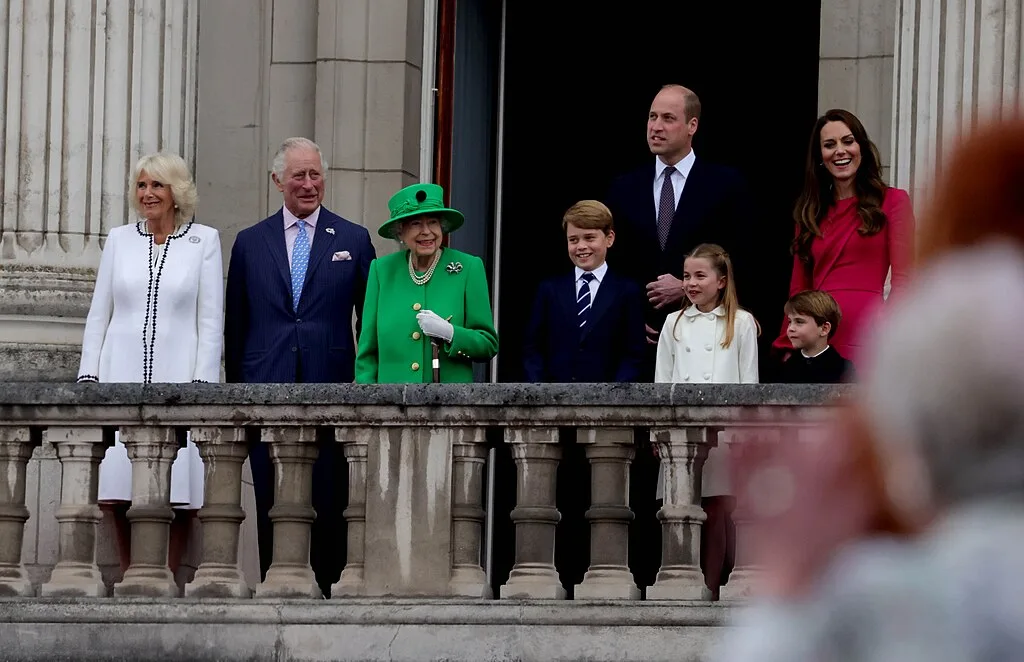
Rather than confrontation, the monarchy chose containment.
This involved:
- Removing Andrew from visibility
- Avoiding prolonged public comment
- Protecting the institution over the individual
Historically, this approach has preserved royal stability, even at the cost of personal reputations.
Why the case still matters
The story continues to resonate because it sits at the intersection of law, power, and accountability.
It forces uncomfortable questions:
- Who is held to account, and how?
- Is legal resolution enough for public trust?
- Can institutions outlast scandal without reform?
These questions keep Prince Andrew relevant in legal and cultural discussions.
When royalty meets reckoning
Prince Andrew in the Epstein fallout represents a modern reckoning, not through conviction, but through consequence.
He remains a royal by birth yet absent from public duty. Legally unresolved, yet institutionally sidelined.
In the UK legal and public consciousness, the case stands as a reminder that while courts decide guilt, society decides legitimacy. And in this case, the reckoning was unmistakable.